

Category: Clinical Trials

Naturopaths try (and fail yet again) to argue that they are science-based
That booster of all things "integrative," John Weeks has devoted the entire most recent issue of The Journal of Alternative and Complementary Medicine, which he edits, to trying to demonstrate that naturopathy is science-based. It does not go well. Same as it ever was.
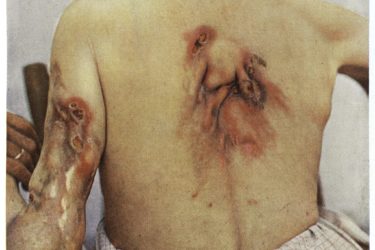
The Tuskegee Syphilis Experiment: A Fiasco with a Silver Lining
The Tuskegee syphilis experiment studied black men with advanced syphilis for 40 years. Patients were lied to and prevented from getting treatment. A black mark in the history of American medicine, it led to important reforms.

Drug maker challenges FDA on animal testing
A drug maker claims an FDA-required toxicity study in animals is unnecessary to determine safety and urges others to question the routine use of animal testing.

The Magic Feather Effect: Placebos and the Power of Belief in Alternative Medicine
In her book The Magic Feather Effect, journalist Melanie Warner covers placebo research, shows that alternative medicine is placebo medicine, takes a "try it yourself" approach, and gives belief and anecdotes more credit than they deserve.

Clínica 0-19: False hope in Monterrey for brain cancer patients (part 4)
Last week, Annabelle Potts, a girl with the deadly brain cancer DIPG, passed away. She had made the news in Australia and worldwide because she had been treated at Clínica 0-19 in Monterrey, Mexico, where Drs. Alberto Garcia and Alberto Siller treat DIPG patients with a secret unproven mix of intra-arterial chemotherapy injected directly into the arteries feeding the brainstem, all while...
“Right to try” laws create tremendous legal uncertainties; FDA expanded access preferable
The Goldwater Institute and the Kochs pushed "right to try" laws in an attempt to get rid of FDA oversight of access to investigational drugs. Instead, they created tremendous legal uncertainties, making the FDA's expanded access program preferable for all.
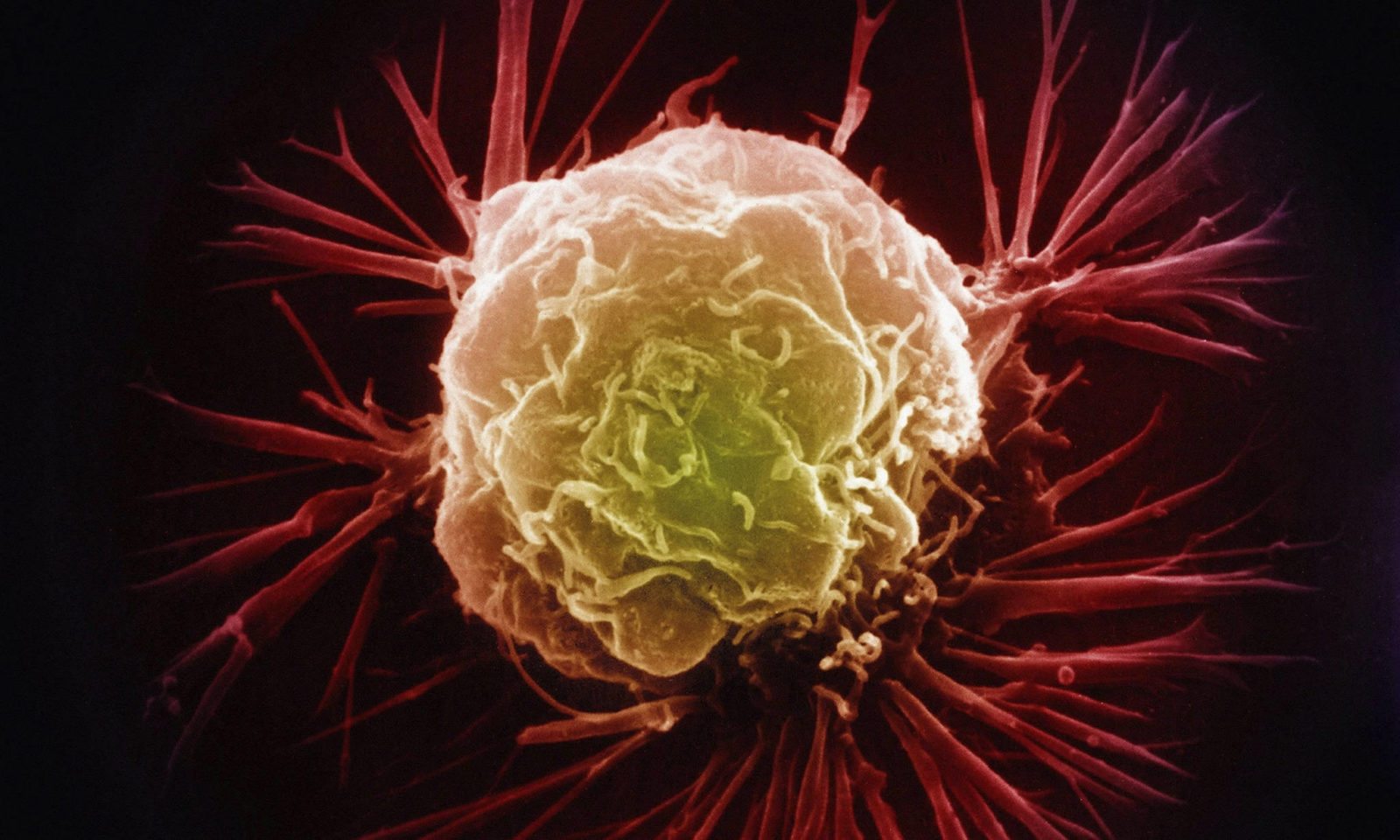
Vitamin D supplements do not reduce the risk of cancer or cardiovascular disease
Vitamin D has been widely touted as beneficial for preventing cancer and cardiovascular disease. A large, well-conducted clinical trial now show that it has no effect.
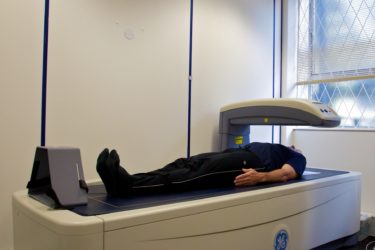
Osteopenia: When Does Decreased Bone Density Become a Disease Requiring Treatment?
Osteoporosis is routinely treated with bisphosphonates to prevent fractures. A new study suggests that osteopenia should be treated too. But questions remain.

Are placebo effects genetically determined?
We frequently write about placebo effects here at SBM because understanding placebo effects is essential to understanding a lot of clinical trial science and, most relevant to the topics of this blog, how those promoting unscientific medicine misunderstand and misuse placebo effects to promote quackery. Last week, The NYT published an article asking if placebo effects are genetically determined. The evidence supporting...
Vertigo Voodoo: A Crazy-Sounding Cure That Actually Works
A sequence of positional changes sounds like voodoo, but is actually an effective way to cure benign paroxysmal positional vertigo (BPPV).