


Exercise and Memory
There is no escaping the evidence that regular moderate exercise is associated with a host of medical benefits. Among those benefits are perhaps improved memory and cognition, and questionably a decreased risk of developing dementia. The latest study to show this correlation involved younger and older adults who wore a step-monitor. The number of steps they took during the study interval was...
American Academy of Family Physicians Home Study Course Recommends Non-Science-Based Treatments
Since passing my board exams in family practice in 1979 I have relied heavily on the American Academy of Family Physicians for continuing medical education via the American Family Physician and the AAFP home study programs. The AAFP prides itself on its evidence-based approach to medicine. In general, it delivers. But the recent FP Essentials Number 432 on “Chronic Pain Management” fell...
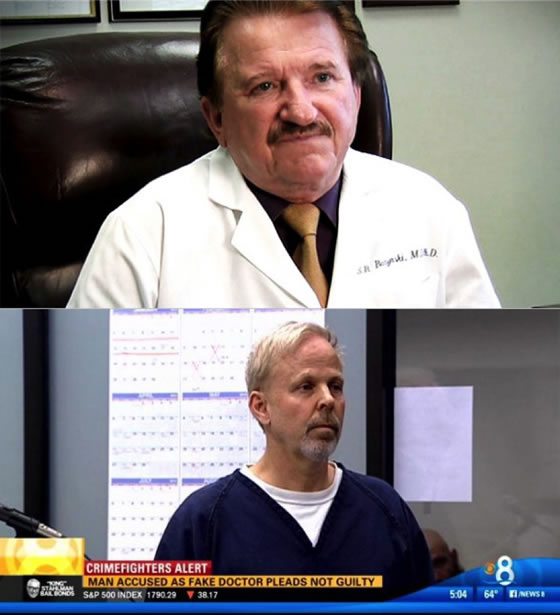
Stanislaw Burzynski and Robert O. Young: How two quacks of a feather illustrate how poorly states regulate medical practice
One of the weaknesses in our system of regulating the practice of medicine in the United States is that, unlike most countries, we don’t have one system. We have 50 systems. That’s because the functions of licensing physicians and regulating the practice of medicine are not federal functions, but state functions. Each state sets its own laws and regulations governing the practice...
Separating Fact from Fiction in Pediatric Medicine: Ear Infections
As discussed numerous times on the pages of Science-Based Medicine, children are increasingly a target of chiropractors, with some even pushing for recognition as primary care practitioners. Despite a thoroughly inadequate training, and a lack of experience with ill pediatric patients, they believe that they have what it takes to recognize and manage common pediatric conditions or refer to an actual pediatric...

Australian review finds no benefit to 17 natural therapies
A review by the Australian government has assessed the evidence for a variety of natural products covered by private health insurance. Their conclusion was that most lacked clear evidence of clinical efficacy. Hopefully this will end insurance coverage of seventeen different pseudosciences.
US Department of Justice Goes After Supplements
It is shaping up to be a good year for those of us advocating more effective regulation of supplements and unproven therapies in the US. The Food and Drug Administration (FDA) is reviewing its regulation of homeopathy, and recently also announced it is taking public comment on its regulation of the term “natural.” The Federal Trade Commission (FTC) is also reviewing the...

“The Truth About Cancer” Series Is Untruthful About Cancer
Ty Bollinger has produced a video series he calls The Truth About Cancer: A Global Quest. It's about as huge a misnomer as can be imagined.

On “integrative medicine” and walking and chewing gum at the same time
Evidence matters. Science matters. However, when advocates of "integrating" quackery into medicine via the vehicle of "integrative medicine" invoke weak science and poor quality evidence in conventional medicine in response to criticism, what they are really doing is deflecting attention away from their quackery. More importantly, advocates of science-based medicine are capable of walking and chewing gum at the same time. We...
Acupuncture/TCPM Crapfest
As I get older I get more grumpy. Issues that at one time I was rather sanguine about, now irritate the hell out of me. It is not like it was when I started practice. Information was hard to come by. Going through the Index Medicus, with the world’s tiniest font, wandering the stacks looking for papers, sending off for reprints, getting...
The DC as PCP: the battle resumes
It has been almost five years to the day since I wrote my first post in “The DC as PCP” series. These posts (listed here) chronicle the continuing battles among various factions within the chiropractic profession over the subluxation and its many iterations, educational requirements for chiropractic colleges, their legal scope of practice, and whether chiropractors are – or are not—primary care...
The CDC Has Been Hollowed Out