

Category: Diagnostic tests & procedures

A Misguided Study to Test the Reliability of Traditional Chinese Medicine Pulse Diagnosis
Pulse diagnosis and tongue diagnosis are widely used in traditional Chinese medicine. They are based on imagination, not on anatomical and physiologic reality.
AAFP: Functional Medicine lacks supporting evidence; includes “harmful” and “dangerous” treatments
The American Academy of Family Physicians (AAFP) found Functional Medicine lacking in evidence and said some treatments are harmful and dangerous. The AAFP is right and should stick to its conclusions.
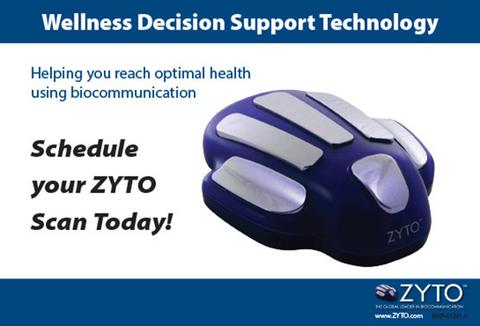
ZYTO: An Electrodermal Diagnostic Device Is Tested and Fails Miserably
ZYTO is a bogus, illegal electrodermal diagnostic device that claims to evaluate organ function and make dietary recommendations. Repeat testing produced results that were wildly inconsistent. The device produces noise, not meaningful information.
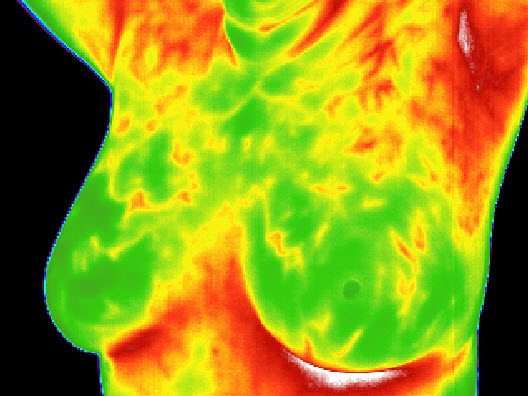
FDA issues warning letter to “holistic” practitioner offering thermography for breast cancer detection
Thermography for breast cancer detection is one of more than 65 products the FDA just announced it is going after for fraudulently claiming to prevent, diagnose, treat or cure cancer.

How Do Doctors Learn to Diagnose, and Can Machines Learn to Do It Too?
Siddhartha Mukherjee weighs in on how doctors arrive at a diagnosis and how computers can assist but not replace them.
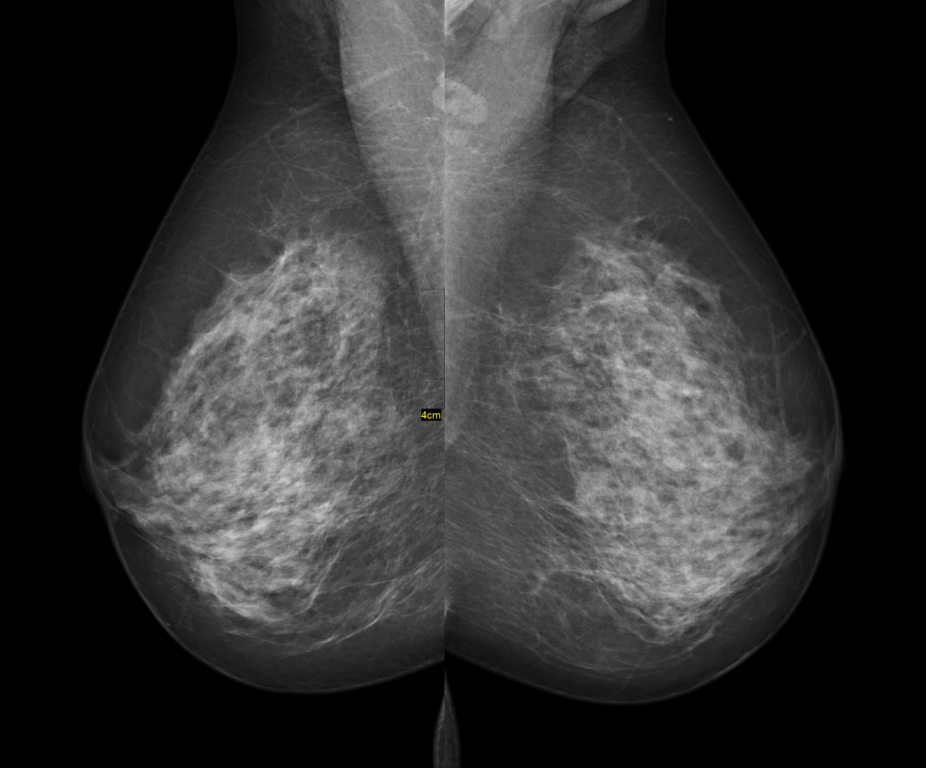
How accurately do physicians estimate risk and benefit?
A new study suggests that physicians tend to overestimate the benefits of treatments, tests, and screening tests, while also underestimating harms.

Chiropractic Internist: A “specialty” to avoid
The "chiropractic internist" is the creation of an industry association which promotes chiropractors as "primary care physicians." After 300 hours of instruction in a hotel conference room, they claim they can treat "anything that a medical doctor can."
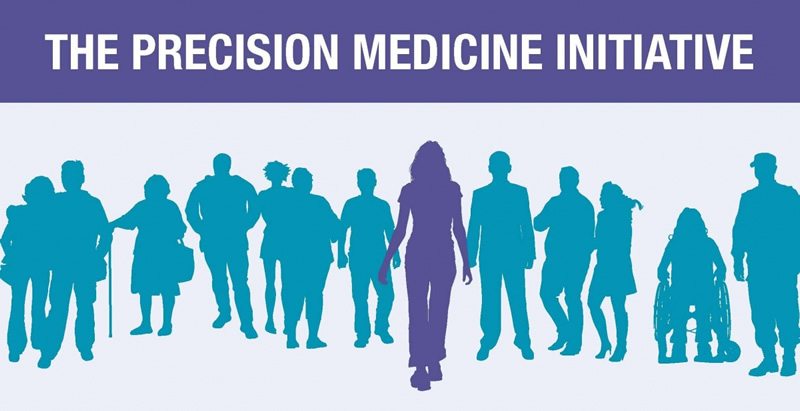
Precision Medicine and Uncertainty
Precision medicine is a development that promises to tailor treatments to the individual patient based on genetic and other molecular and cellular analyses. In his 2015 State of the Union address, President Obama announced the Precision Medicine Initiative. A website for Precision Medicine claims to offer “perfect care for every individual.” Much of what we read about precision medicine gives the impression...

When science- and evidence-based guidelines conflict with patient wishes: What’s a doc to do?
We use the term "science-based medicine" (SBM) because medicine isn't a science. The best medicine, however, is based in science. Patient values are also important, but what is a science-based doctor to do when SBM conflicts with what a patient or family wants?
Mast Cell Activation Disorder – Yes, It’s Real
Mast Cell Activation Disorder is real, but there are a large number of fake diagnoses out there. How do you tell the difference?