

Category: Diagnostic tests & procedures
Are one in three breast cancers really overdiagnosed and overtreated?
Screening for disease is a real pain. I was reminded of this by the publication of a study in BMJ the very day of the Science-Based Medicine Conference a week and a half ago. Unfortunately, between The Amaz!ng Meeting and other activities, I was too busy to give this study the attention it deserved last Monday. Given the media coverage of the...
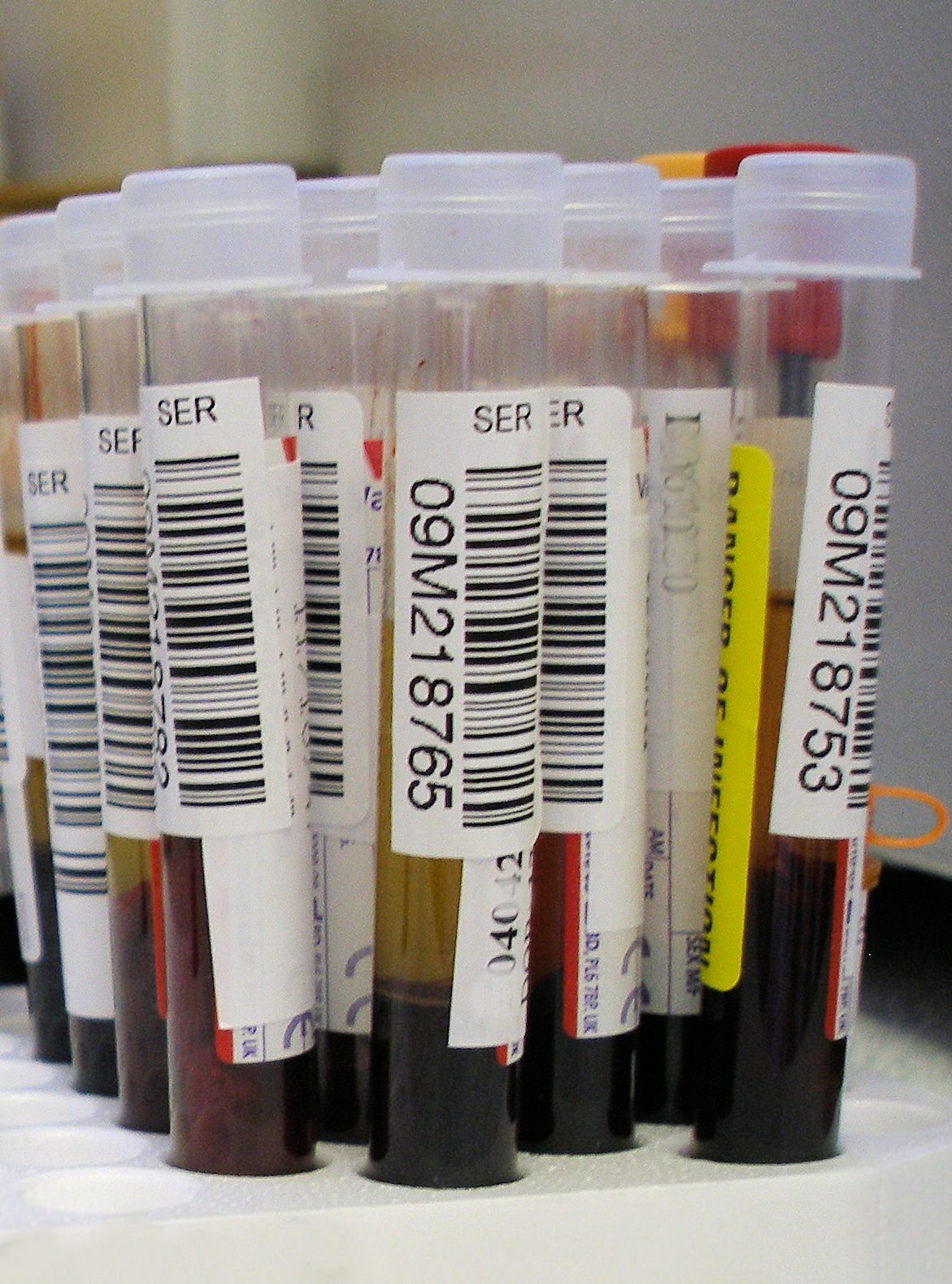
Screening Tests – Cumulative Incidence of False Positives
It’s easy to think of medical tests as black and white. If the test is positive, you have the disease; if it’s negative, you don’t. Even good clinicians sometimes fall into that trap. Based on the pre-test probability of the disease, a positive test result only increases the probability by a variable amount. An example: if the probability that a patient has...
PSA – To Screen or Not to Screen
Is the prostate specific antigen (PSA) test worth taking? It's, like, really complicated.
How not to think
Thankfully, I don’t receive all that much blog-related mail. But this weekend I received several communications about a piece in popular liberal blog. The piece is (ostensibly) about Lyme disease, which coincidentally happens to be one of the topics of my first post here at SBM. In fact, I’ve written about Lyme disease a number of times, and Dr. Novella has a...
Do over one in five breast cancers detected by mammography alone really spontaneously regress?
It figures. Last Wednesday, right before the four-day Thanksgiving holiday weekend, as I was far more interested in preparing to have family over the next day than in what was going on in the medical news or the blogs, the results of a most fascinating study hit the news. In Medscape, the title of the news report was Mammography Study Suggests Some...
Diagnostic Dilemmas
Sometimes diagnosis is straightforward. If a woman has missed several periods and has a big belly with a fetal heartbeat, it’s pretty easy to diagnose pregnancy. But most of the time diagnosis is much more difficult. Alzheimer’s can’t be diagnosed for sure until the patient dies and you do an autopsy. If only we had one of those Star Trek gadgets to...