


Learning from Animals: Evolutionary Medicine with a Twist
In 2005, cardiologist Barbara Natterson-Horowitz was called to the zoo to examine a non-human patient, an emperor tamarin with heart failure. She was surprised when the veterinarian told her not to look her patient in the eyes because eye contact could cause capture myopathy. In this condition, when an animal is captured, restrained, and feels threatened, there is a catastrophic surge of...
Is shameless self-promotion of your science a good idea?
As part of my ongoing effort to make sure that I never run out of blogging material, I subscribe to a number of quack e-mail newsletters. In fact, sometimes I think I’ve probably overdone it. Every day, I get several notices and pleas from various wretched hives of scum and quackery, such as NaturalNews.com, Mercola.com, and various antivaccine websites. I think of...
Fairy Tale Science and Placebo Medicine
In May, 2012, I spoke at the 6th World Skeptics Congress in Berlin on “Complementary and Alternative Medicine: Fairy Tale Science and Placebo Medicine.” My talk is now available as a YouTube video.
Guiding Lights
This is, I admit, a content free post. July and August are the sunny days here in the great Pacific Northwest, and rather than spend time in front of the computer, I am outside with the kids. To compound matters, I was on call the labor day weekend (I usually write the first draft the weekend before the posts are due) and...
The DC as PCP? Revisited
There is a disturbing effort afoot to rebrand chiropractors as primary care physicians, a subject both Harriet Hall and I have discussed in previous posts. Part of this effort includes convincing state legislatures to grant prescription privileges to chiropractors, an effort that succeeded in New Mexico, as reported in a post a couple of years ago. Let’s return to New Mexico and...
No Health Benefits from Organic Food
A recent review of 240 studies has concluded that: The published literature lacks strong evidence that organic foods are significantly more nutritious than conventional foods. Consumption of organic foods may reduce exposure to pesticide residues and antibiotic-resistant bacteria. Organic produce has become increasingly popular in recent years. There are several reasons that consumers might prefer organic produce, including the belief that organic...
New AAP Policy on Circumcision
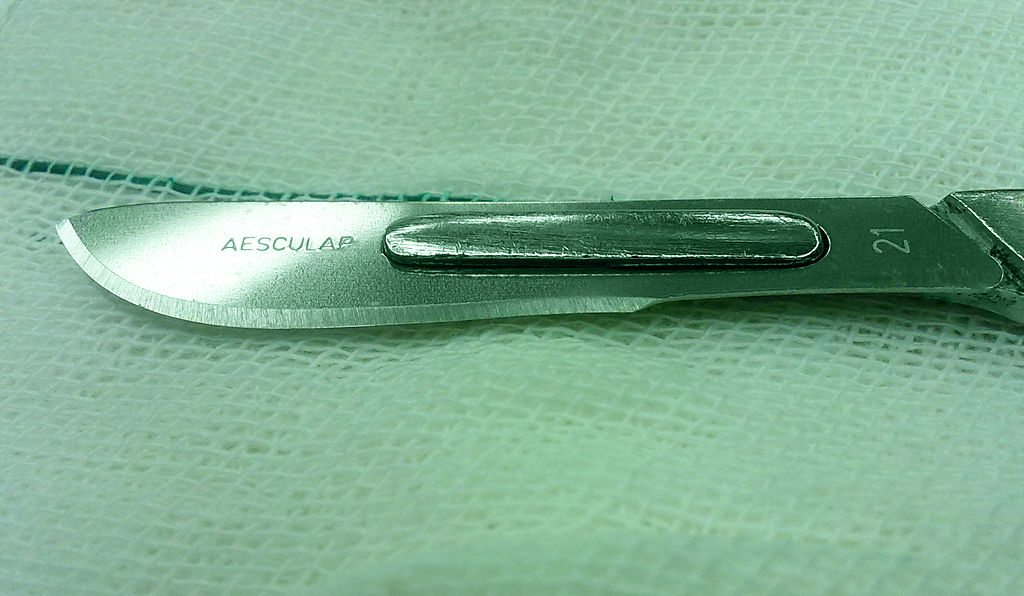
Back in 2008, I tried to look objectively at the scientific evidence for and against circumcision. I got a lot of flak from commenters who focused on the ethical issues rather than the scientific evidence. I concluded that the evidence showed small benefits and small risks, and I didn’t advocate either for or against the procedure. At the time, the American Academy...
Alternative medicine use and breast cancer (2012 update)
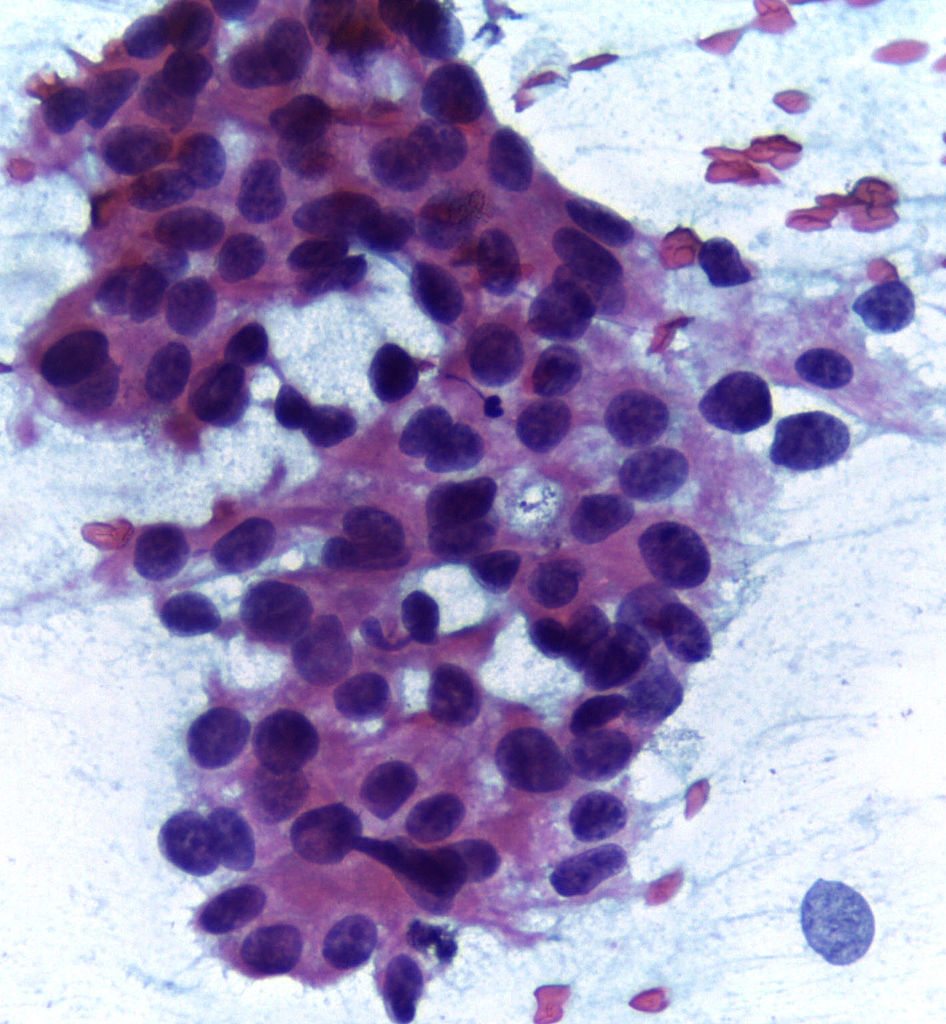
[Editor’s note: It’s a holiday here in the U.S.; consequently, here is a “rerun” from my other super not-so-secret other blog. It’s not a complete rerun. I’ve tweaked it a bit. If you don’t read my other blog, it’s new to you. If you do, it’s partially new to you. See you all next week with brand spankin’ new material. It also...
Questioning Whether Psychotherapy and Support Groups Extend the Lives of Cancer Patients
What a wonderful world it would be if cancer patients could extend their survival time by mobilizing their immune systems by eating the right foods, practicing yoga, and venting their emotions in a support group. The idea that patients can enlist their immune systems to fight the progression of cancer is deeply entrenched in psychosomatic medicine and the imagination of the lay...
Rejecting cancer treatment: What are the consequences?
There have been several studies of people who have refused scientific treatments for cancer. The results have not been good.