



Corrigendum. The Week in Review for 05/14/2017.
The week in review. Measles cases climb in Minnesota; Texas is jealous. Koala and rabbit abuse. FDA suggesting pseudo-medicine? And more.

Naturopathic Edumacation: A FAQ
An evaluation of a Naturopathic Education FAQ.

Two (now retracted) studies purporting to show that vaccinated children are sicker than unvaccinated children show nothing of the sort
Antivaccine websites have been touting two recently published studies as strong evidence that vaccinated children are less healthy than unvaccinated children. The studies are so flawed that they show nothing of the sort. Even more hilariously, the bottom-feeding predatory open access journal that published them appears to have retracted them.
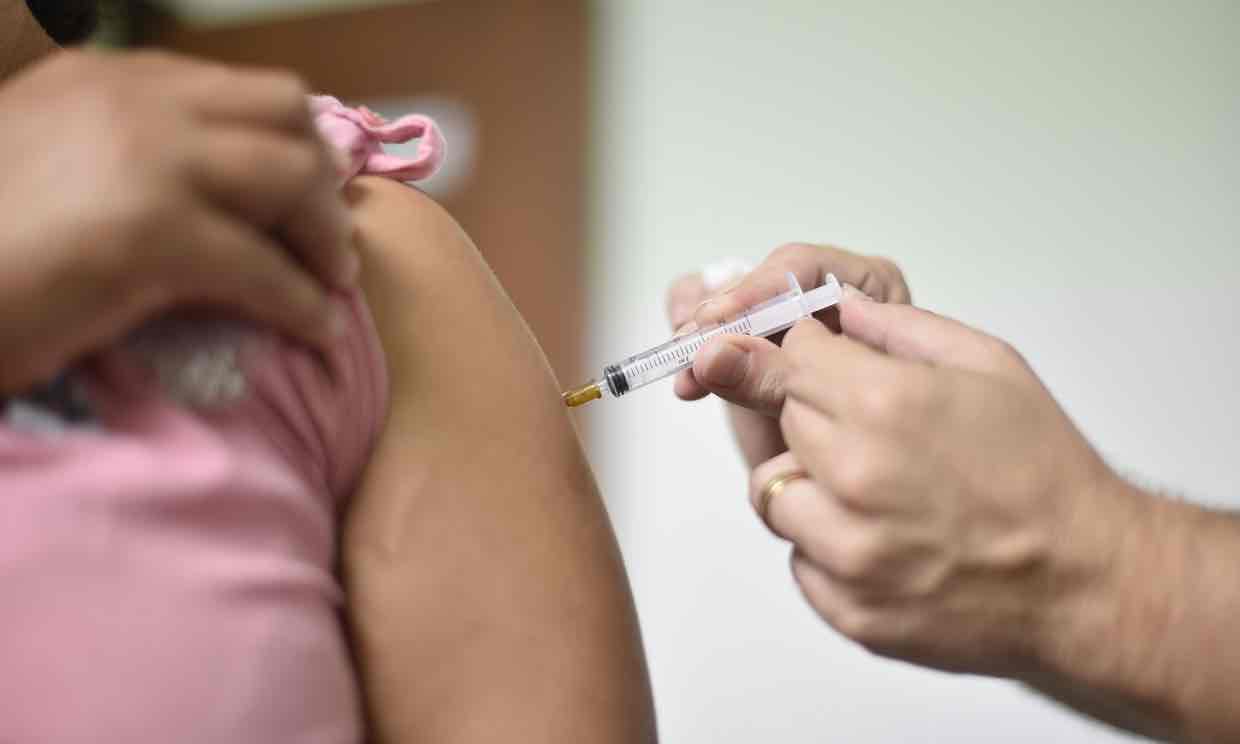
Inoculating – Against Misinformation
A new study confirms what we suspected - you can't just correct misinformation with information, you have to expose the tactics of deception so people can recognize them for themselves.
Protandim Update: New Studies and an FDA Warning Letter
Multilevel distributors of the dietary supplement Protandim think that evidence from scientific studies supports their claims for their product. The FDA disagrees.

Cries the acupuncturist, “Medicine is biased against us, and there’s a double standard!”
A recent article in Popular Science argues that medicine has a bias against acupuncture, holding it to a higher standard of evidence than conventional medical interventions. Even if there is a double standard, the answer is not to recommend acupuncture, but rather to stop recommending medical procedures that don't work.

Corrigendum. The Week in Review for 05/07/2017.
Death from alternative medicine impersonators. An acupuncture study done so acupuncturists can get insurance money? A chiropractor has to refund the feds one million dollars. And more.
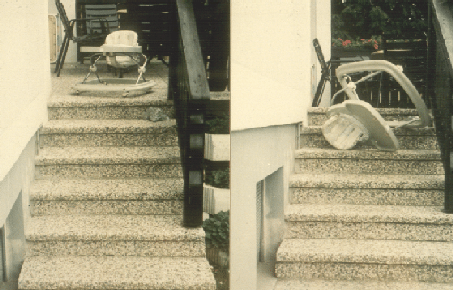
New Study Reveals Increase in Babies Injured by Nursery Products
After years of steady decline, a new study reveals a concerning increase in overall baby product-related injuries since 2003 and a sharp rise in concussions.
The Medical Medium’s Thyroid Pseudoscience
Anthony William calls himself a "Medical Medium". He has no medical expertise, but he provides medical advice based on claimed communication with the spirit world. What could possibly go wrong?
The New York Times: Promoting False Hope as Journalism
The New York Times sells a narrative of false hope, and fails to engage in even basic journalism to tell a more complete story.
Keep An Eye On This Ebola Outbreak