

Category: Herbs & Supplements
US Department of Justice Goes After Supplements
It is shaping up to be a good year for those of us advocating more effective regulation of supplements and unproven therapies in the US. The Food and Drug Administration (FDA) is reviewing its regulation of homeopathy, and recently also announced it is taking public comment on its regulation of the term “natural.” The Federal Trade Commission (FTC) is also reviewing the...
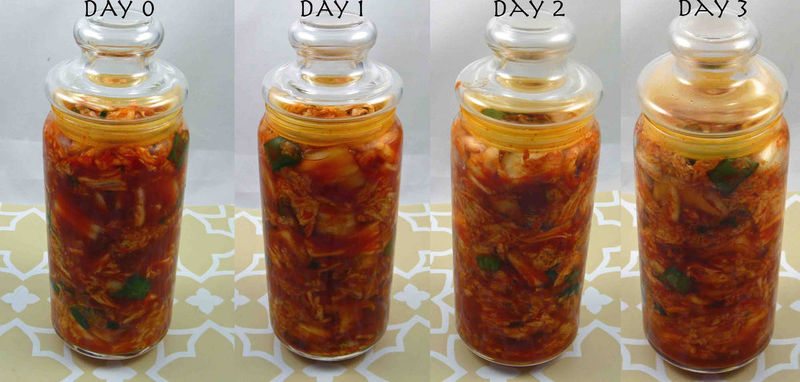
Everything you always wanted to know about fermented foods
Are fermented foods the best thing since...bread?
“Safe” dietary supplements can land you in the emergency room
If there’s one thing I’ve been consistent about, it’s that, however ridiculous all the other woo I routinely discuss here is—homeopathy, reiki, reflexology, I’m talking to you and your friends—herbal medicine and supplements might have value because they might have a physiological effect that is beneficial in treating or preventing disease. Of course, if that’s the case, it’s because the herb or...
The Amarin case: off-label promotion and a double standard for prescription drugs vs. dietary supplements
A recent court decision enjoined the FDA from threatening prosecution against a drug manufacturer for off-label promotion of a prescription drug. Based on this and an earlier decision by an appellate court, it appears that the FDA can no longer prosecute a pharmaceutical manufacturer for a truthful and non-misleading off-label promotion to health care professionals, at least within the jurisdiction of the...
Sarah Hershberger: “Health freedom” and parental rights vs. child welfare
One of the more depressing topics that I regularly write about on this blog includes of analyses of news stories of children with cancer whose parents decided to stop science-based treatment (usually the chemotherapy) and use quackery instead. There are, of course, variations on this theme, but these stories take form that generally resembles this outline: A child is diagnosed with a...
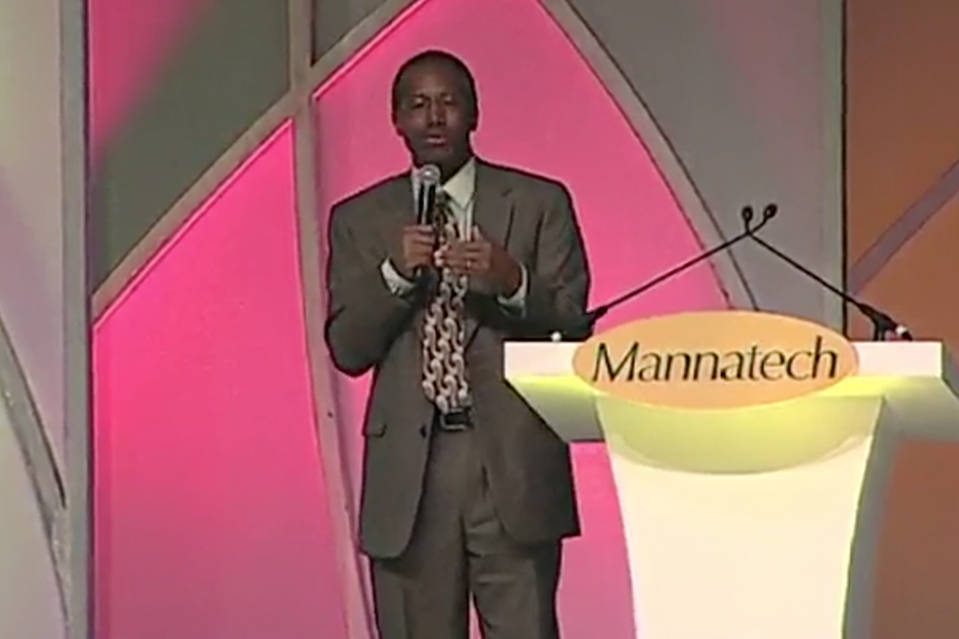
Presidential candidate Ben Carson: Shilling for Mannatech with his very own alternative cancer cure testimonial?
Over the years, mainly at my not-so-super-secret other blog, I’ve frequently made the points that the vast majority of physicians are not scientists and, in fact, that many of them suffer from a severe case of Dunning-Kruger when it comes to science outside of biomedical sciences—or even biomedical sciences outside of their medical field of expertise. The most common science I’ve seen...

No, the Nobel Prize does not validate naturopathy or herbalism
This year's Nobel prize is an excellent case study that illustrates the problems with alternative medicine and proving just what science-based medicine can deliver.
Seneff Claims GMOs Cause Concussions
You read that headline correctly. Stephanie Seneff first came to skeptical attention when she published a study claiming that vaccines were linked to autism. She trolled through the VAERS database and, as David Gorski noted, “tortured the data until it confessed.” Last year she published a paper in which she claimed glyphosate caused autism, claims which I addressed almost a year ago....
Here be Dragons: Caring for Children in a Dangerous Sea of sCAM
As a pediatrician working in a relatively sCAM-inclined region, it is not uncommon to find myself taking care of patients who are also being followed by so-called alternative medicine practitioners. This often creates a major obstacle to providing appropriate care and establishing an atmosphere of mutual trust in the provider-patient/parent relationship. It usually makes me feel like I’m battling invisible serpents in...
Are guidelines for calcium and vitamin D rooted in evidence, or vested interests?
Do osteoporosis guidelines overstate the benefits of calcium and vitamin D supplements? And is their continued presence due to vested interests and conflicts of interest? That’s the provocative argument made by Andrew Grey and Marc Bolland, two endocrinologists who recently detailed their analysis in The BMJ, in a paper entitled “Web of industry, advocacy, and academia in the management of osteoporosis” [PDF]....