


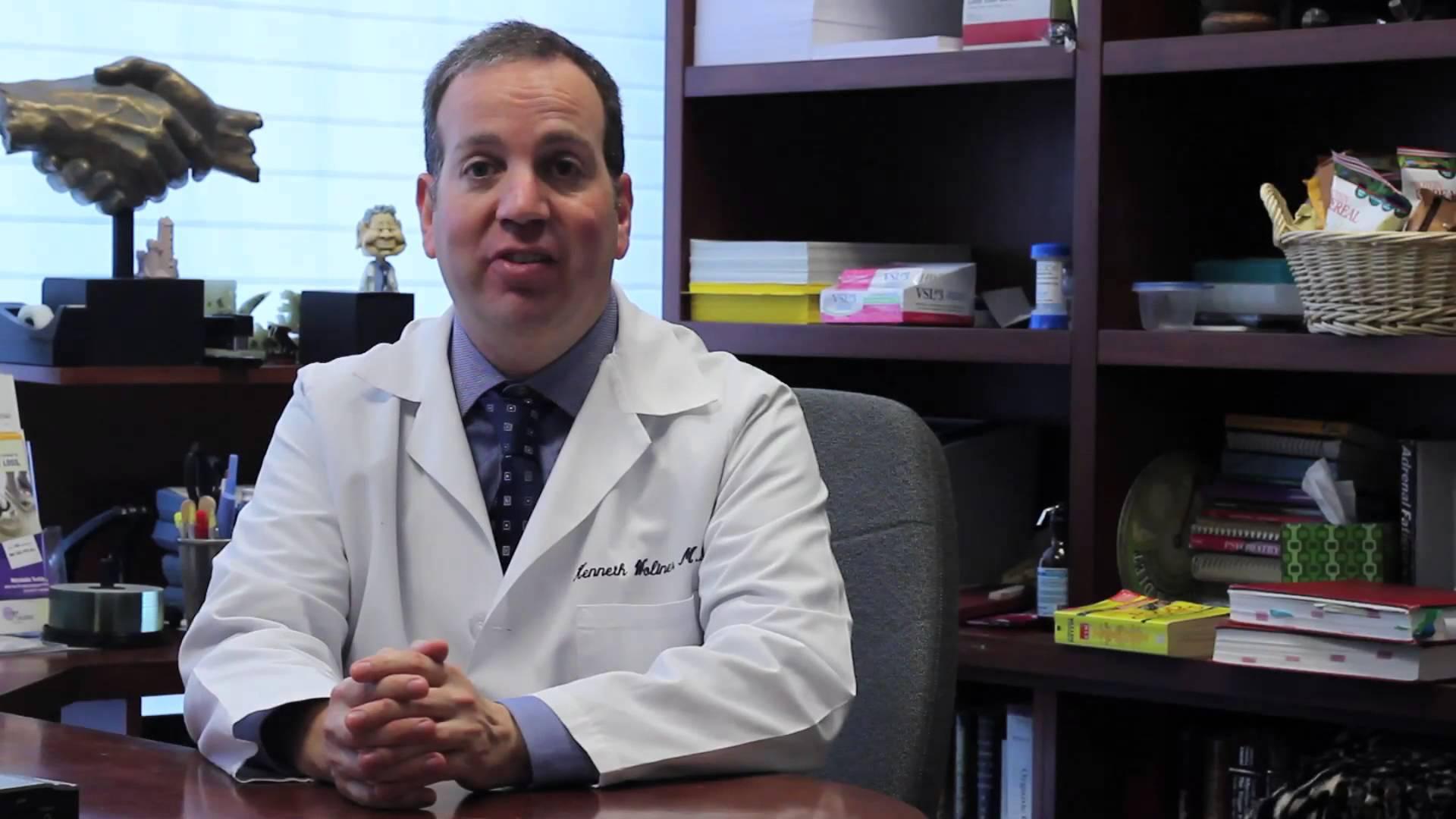
Is there a distinct standard of care for “integrative” physicians? The Woliner case
We at SBM argue that there should be a single, science-based standard of care in medicine. Unfortunately, with the rise of "complementary and alternative medicine" (CAM) also called "integrative medicine," there is a separate standard emerging that allows CAM practitioners to get away with using unproven and disproven treatments. The case of Dr. Kenneth Woliner illustrates this problem.
Researching the Magic of Homeopathy
A Canadian academic, Dr. Mark Loeb, who is a respected infectious disease researcher who knows how to conduct high quality research, wants to study homeopathic nosodes. Nosodes are essentially homeopathic vaccines. Tim Caulfield, a Canadian professor of health law and policy, thinks the study is misguided and unethical. The two are having a respectful public debate about the risks and merits of...
A Credible Placebo Control for Chiropractic Research
The research on chiropractic has been far from rigorous. One of the problems is that studies of spinal manipulation therapy (SMT) can’t be double blinded, and it is very difficult to even do single blinding. So most studies resort to non-manipulation control groups like “usual care” or “wait list” or “pain medication.” Those studies are practically guaranteed to lead to false positive...

In which we are accused of “polarization-based medicine”
A little over a month ago, I wrote about how proponents of “complementary and alternative medicine” (CAM), now more frequently called “integrative medicine,” go to great lengths to claim nonpharmacological treatments for, well, just about anything as somehow being CAM or “integrative.” The example I used was a systematic review article published by several of the bigwigs at that government font of...

Pulp Fiction
Are your root canals poisoning you? Probably not. Is an alternative dentist trying to sell you something? Probably.
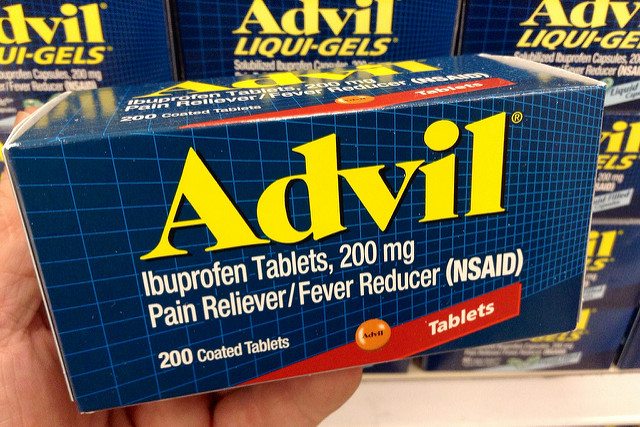
Another way ibuprofen can kill us?
Do you ever take ibuprofen? Naproxen? Cold medication with an anti-inflammatory ingredient? The non-steroidal anti-inflammatory drugs (NSAIDs) are among our most well-loved medications. We start giving them in infancy, for fever, and continue use through to adulthood for everyday aches and pains. But it’s our later stages of life when we really ramp up the use, and daily consumption becomes common for...
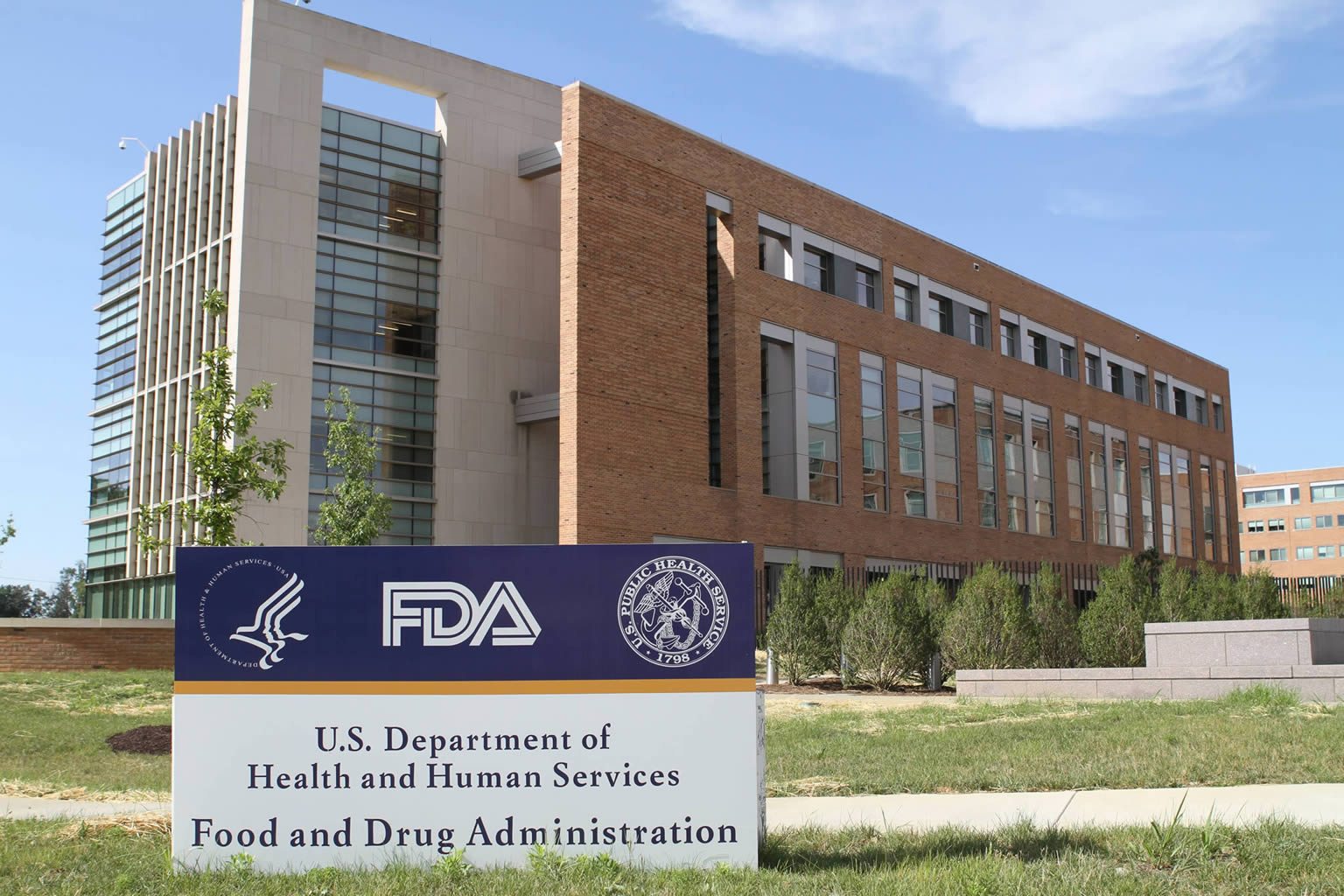
FDA Warns About Homeopathic Teething Products
The FDA recently put out a consumer warning about homeopathic teething gels and pills. The warning states: The FDA recommends that consumers stop using these products and dispose of any in their possession. The warning is not because all homeopathic products are inherently useless. As we have discussed here often, the basic principles of homeopathy are pure pseudoscience. The practice of diluting...
Plavinol and Other Natural Remedies for Diabetes: “Condimentary Medicine”?
We don’t yet have a cure for diabetes, but we have insulin; it controls the disease and allows Type 1 diabetics to lead a relatively normal life instead of suffering and quickly dying as they all did in the pre-insulin era. We know to counsel Type 2 diabetics about weight loss, diet, and exercise; and when those measures are not enough, we...

When science- and evidence-based guidelines conflict with patient wishes: What’s a doc to do?
We use the term "science-based medicine" (SBM) because medicine isn't a science. The best medicine, however, is based in science. Patient values are also important, but what is a science-based doctor to do when SBM conflicts with what a patient or family wants?
Infectious Diseases and Cancer
With apologies to my colleagues, but infectious diseases really is the most interesting specialty in medicine. There are innumerable interesting associations and interactions of infectious diseases in medicine, history, art, science, and, well, life, the universe and everything. ID is so 42. A recent email led me to wander the numerous interactions between infections and cancer. There are the cancers that are...