

Category: Science and Medicine
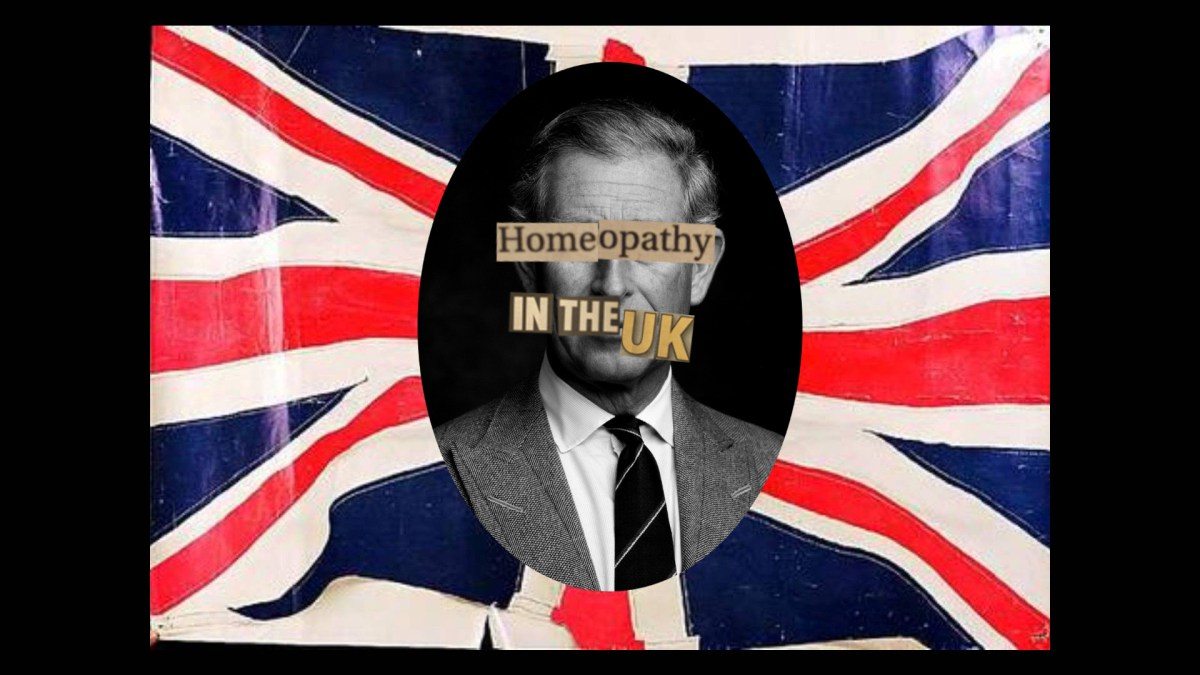
Homeopathy and the UK’s National Health Service
Homeopathy is arguably the silliest form of alternative medicine: the published studies show no evidence of anything beyond nonspecific contextual effects, and the underlying premise is incompatible with the existing body of scientific knowledge. Homeopathy has increasingly been questioned or denounced by organizations in several countries, most recently in FDA hearings in the US. I recently spoke at the QED conference (Question,...
“Science.” You keep using that word. I do not think it means what you think it means.
I’ve discussed on many occasions over the years how antivaccine activists really, really don’t want to be known as “antivaccine.” However, if there’s one thing that rivals how much antivaccinationists detest being called “antivaccine,” it’s how much they detest being called antiscience. To try to deny that they are antiscience, they will frequently invoke ridiculous analogies such as claiming that being for...

Separating Fact from Fiction: The “Magic” of Epigenetics?
Every few years, it seems, a new concept emerges as the favorite go-to means of marketing unproven and highly implausible approaches to health care. Explanations of the proposed healing properties of homeopathic remedies incorporating quantum mechanics immediately comes to mind as an example of this phenomenon. Or how proponents of the most absurd treatments will just add “Nano” to anything and claim...
Activated charcoal: The latest detox fad in an obsessive food culture
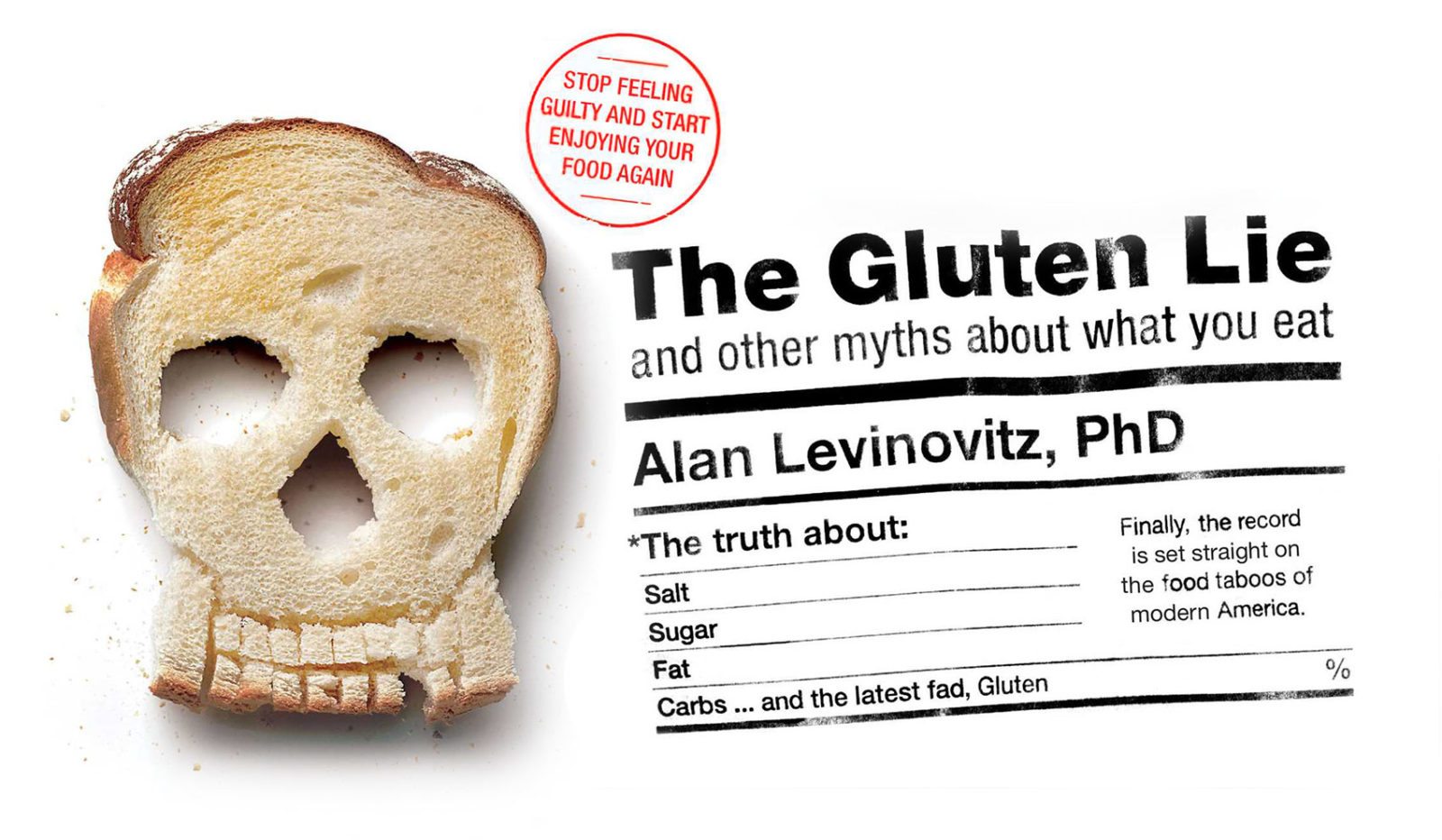
Our diet is either the cause of, or solution to, all of life’s problems. I’m paraphrasing a great philosopher. We just can’t seem to let food be food. Today each ingredient we eat seems to be demonized or glorified. Gluten is the latest evil. It used to be fat. At some point in the past, it was MSG. Or it’s a superfood,...
What Should We Do in the Absence of Evidence?
What to do in the absence of a clear diagnosis and randomized, controlled trials? Often nothing, sometimes something. It's complicated.
Pepsi Removing Aspartame
Pepsi has announced that it will remove aspartame from its formulation of diet Pepsi products in the US this year. Apparently this is a reaction to a 5% drop in the sales of Pepsi. Seth Kaufman, vice-president of Pepsi, said “Aspartame is the number one reason consumers are dropping diet soda.” This move comes in the same week that Chipotle announced it...
Ancient Origins of Modern Dietary Demons
There are few aspects of daily existence, particularly in modern society, that are more pervasive than advice on what we should eat. Everyone, including friends, family, strangers on Twitter and self-proclaimed experts in nutrition and health, seems to have an opinion on how to eat in order to improve and prolong our lives. Even legitimate organizations dedicated to the health and well-being...
Less benefit, more risk. Our assumptions about health treatments are probably wrong.
I’m a health professional, but sometimes a patient as well. And like most patients, I generally don’t want health decisions being made without my input. Yes, I want the best medical information, and the advice of medical professionals, but ultimately I want to make my own decisions about my care. That’s the norm in health care today, but relatively new in the...
Mediocre Expectations: Acupuncture
I had a dickens of a time writing this entry. The last week has been spent in New York for NECSS. It is safe to say that New York has plenty of distractions for us Dug the Dog types. Reality may be a honey badger, but New York is a squirrel. I say that when I travel I usually do not come...
WHO Statement on Reporting Clinical Trials
The World Health Organization (WHO) has recently released a new position statement on mandatory reporting of all interventional clinical trials. This is a positive step in the trend towards higher quality and greater transparency in clinical trials. The underlying ethical concept here is that the public has a right to data that results from experimentation on humans. The researchers do not ethically...