


The cruel sham that will not die: Right-to-try marches on in California and beyond
State "right-to-try" bills are springing up like kudzu all over the US. Their advocates promise that they would save lives by allowing terminally ill patients access to experimental therapeutics. This is a delusion; even the most fervent supporters of right-to-try have trouble pointing to a single patient who has benefited from such a law. In reality, right-to-try laws are a cruel sham...
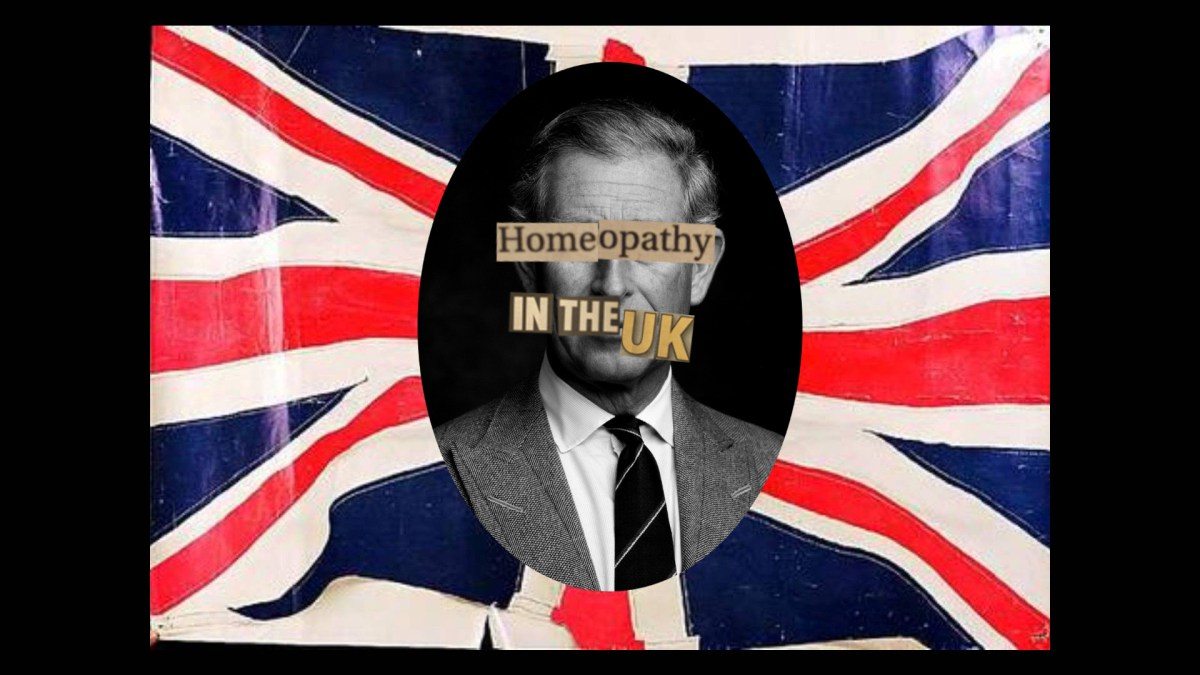
Good Thinking Society’s successful challenge to NHS homeopathy
[Editor’s note: For no reason whatsoever other than to share great news, we bring you this contribution from Michael Marshall, project director of the Good Thinking Society and vice president of the Merseyside Skeptics Society.] As regular readers of this blog may know, skeptics here in the UK have been campaigning for some time to end the funding of homeopathic remedies by...
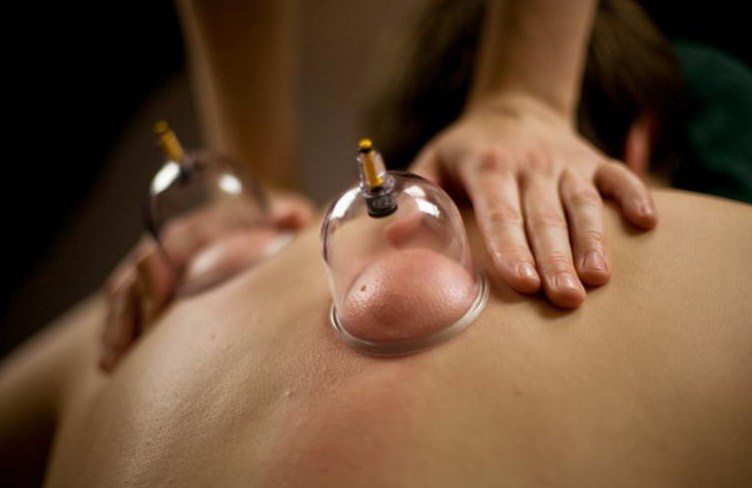
An Unexpected Miscellany of Medical Malarkey
I had originally intended a focused discussion of a single topic, but life circumstances have conspired to prevent me from doing so. In the place of my intended post, please enjoy the following collection of hastily assembled pseudomedical odds and ends brought to my attention over the past few weeks.
Do pill organizers help or hurt?
In order for medication to work, getting a prescription filled isn’t enough. You have to actually take the medication. And that’s where you (the patient) come in. Estimates vary based on the population and the medication, but a reasonable assumption is that 50% of people given a prescription don’t take their medication as prescribed. In pharmacy terminology we usually call this medication...
Patient Groups and Pseudoscience
The biggest challenge we face promoting high standards of science in medicine is not making our case to the community. Our case is rock solid, in my opinion, and backed by evidence and logic. There is no question, for example, that homeopathy is 100% bogus and should not be part of modern medicine. Our challenge is that there are literally billions of...
Genetic Testing: Does Knowing Risk of Disease Make a Difference?
The complete sequencing of the human genome by the Human Genome Project was a remarkable accomplishment and a cause for celebration. Several companies including 23andMe, Navigenics, and deCODE have capitalized on that scientific achievement by offering genomic testing directly to the public. They promise more than they can deliver, and consumers don’t understand the limitations of the test results. The subject has...

The stem cell hard sell
There are, unfortunately, a lot of clinics in the US that offer stem cell therapies for indications ranging from heart disease to anti-aging to even autism without good evidence that these therapies are actually efficacious. Real stem cell scientist Paul Knoepfler attended an informational seminar on stem cell therapies offered by a major clinic. Not surprisingly, it was more marketing than informational....
Building a Case for CAM
[Editor’s note: Mark Crislip is taking a well deserved vacation from blogging, and James Thomas has kindly agreed to provide another guest post to fill the gaping need left in all of your lives. Enjoy!] According to the Orwellian-named National Center for Complementary and Integrative Health, roughly 33% of adults aged 18-44 and about 37% aged 45-64 use some form of CAM....
Does acetaminophen during pregnancy raise the risk of behaviour problems?
In my career as a pharmacist I’ve answered a lot of questions about medication use in pregnancy. Pharmacists are among the most accessible health professionals, and we’re usually found near a wall of medicines and supplements. Many don’t trust Dr. Google, and for good reason: There are conflicting answers online. When it comes to medication use in pregnancy and effects on the...
Deconstructing Homeopathy Propaganda
The definition of “propaganda,” like so many things, is a bit fuzzy. The dictionary definition is: “information, especially of a biased or misleading nature, used to promote or publicize a particular political cause or point of view.” There is no sharp demarcation line, however. Speech occurs on a spectrum from obsessively objective, fair, balanced, and scholarly at one end, to deliberately deceptive...