

Category: Neuroscience/Mental Health
Seneff Claims GMOs Cause Concussions
You read that headline correctly. Stephanie Seneff first came to skeptical attention when she published a study claiming that vaccines were linked to autism. She trolled through the VAERS database and, as David Gorski noted, “tortured the data until it confessed.” Last year she published a paper in which she claimed glyphosate caused autism, claims which I addressed almost a year ago....
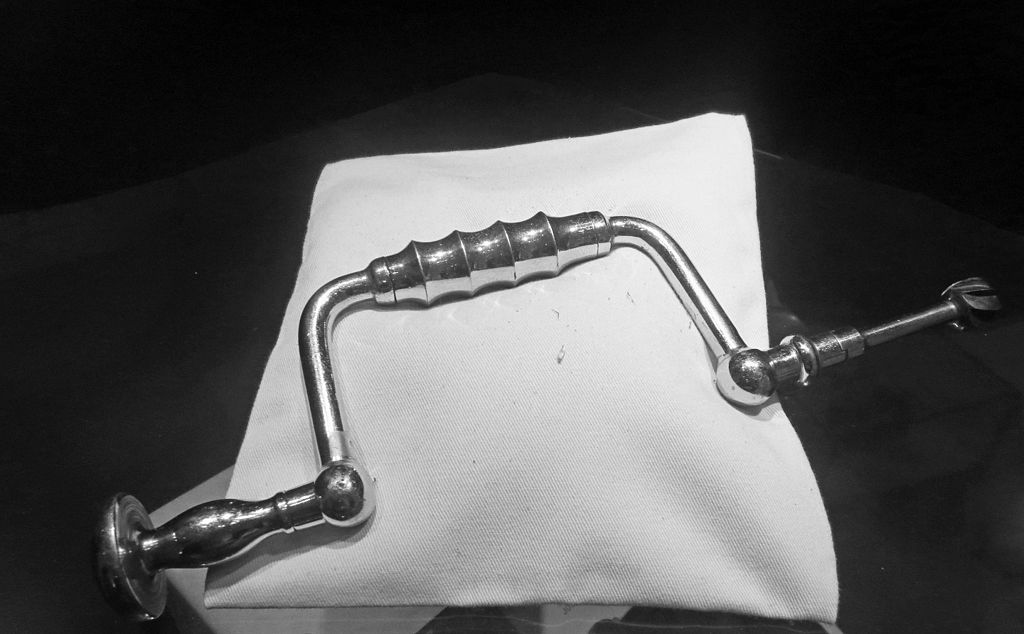
Frontal Lobotomy: Zombies Created by One of Medicine’s Greatest Mistakes
Frontal lobotomies have a dramatic, thankfully rather brief, history in the treatment of mental illness. Janet Sternburg has written an illuminating, and humanizing, book on the history of lobotomies, both personal and societal.
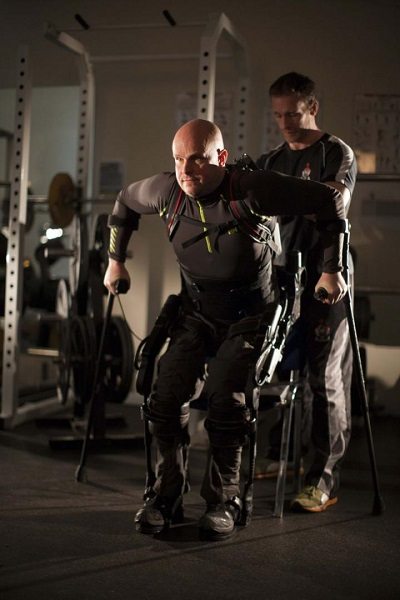
Helping the Paralyzed Walk
One of our primary goals at SBM is to advocate for high standards of science in medicine. This means that we spend a lot of our time discussing claims and practices that fall short of this standard. This is very useful – exploring exactly why a claim falls short is a great way to understand what the standard should be and why....
“Hands On Learning Solutions”: Untested Solutions for Problems That May Not Even Exist
Hands On Learning Solutions, a business in Gig Harbor, Washington, evaluates and treats children for learning disabilities and claims to identify the underlying causes and help eliminate the symptoms. Much of what they do is questionable, and at least one of their methods is clearly bogus. Their program is reminiscent of the Brain Balance program that I wrote about in 2010. I’ll...
The PIED Piper of Nootropics
Nootropics are an emerging class of drugs that are designed to enhance cognitive function. They are part of a broader category of drugs known as performance and image enhancing drugs (PIED) which are used for enhancement of memory and cognition, sexual performance, athletic performance or musculature (also called “lifestyle” drugs). It will probably come as no surprise to regular readers of SBM...

A journey to alternative and integrative medicine apostasy
WIRED posted a story about Jim Laidler recently discussing his movement away from autism biomed and back to science. It's a good story, that deserves sharing, and explores many of the motivations people have for embracing alternative medicine.

Stem cells versus Gordie Howe’s stroke, part 3
Here I am in Philadelphia attending the 2015 American Association for Cancer Research (AACR) meeting to imbibe the latest basic and translational science about oncology. So what am I doing in my non-conference time? I’m holed up in my hotel room near Rittenhouse Square writing a DoD Grant and this post. Fortunately, I am nearly done with the grant, with nothing I...
Psychology and Psychotherapy: How Much Is Evidence-Based?
Despite all those Polish jokes, Poland has its share of good scientists and critical thinkers. A superb new book illustrates that fact in spades: Psychology Gone Wrong: The Dark Side of Science and Therapy, by Tomasz Witkowski and Maciej Zatonski, Witkowski is a psychologist, science writer, and founder of the Polish Skeptics Club; Zatonski is a surgeon and researcher known for debunking...
What Is Brain Death?
Of course, any story illustrating the issues surrounding brain death is going to be a sad and tragic tale. In December of 2013, Jahi McMath suffered bleeding complications following a tonsillectomy and tissue removal for sleep apnea. This resulted in a cardiac arrest with an apparent prolonged period of lack of blood flow to the brain. While her heart function was brought...
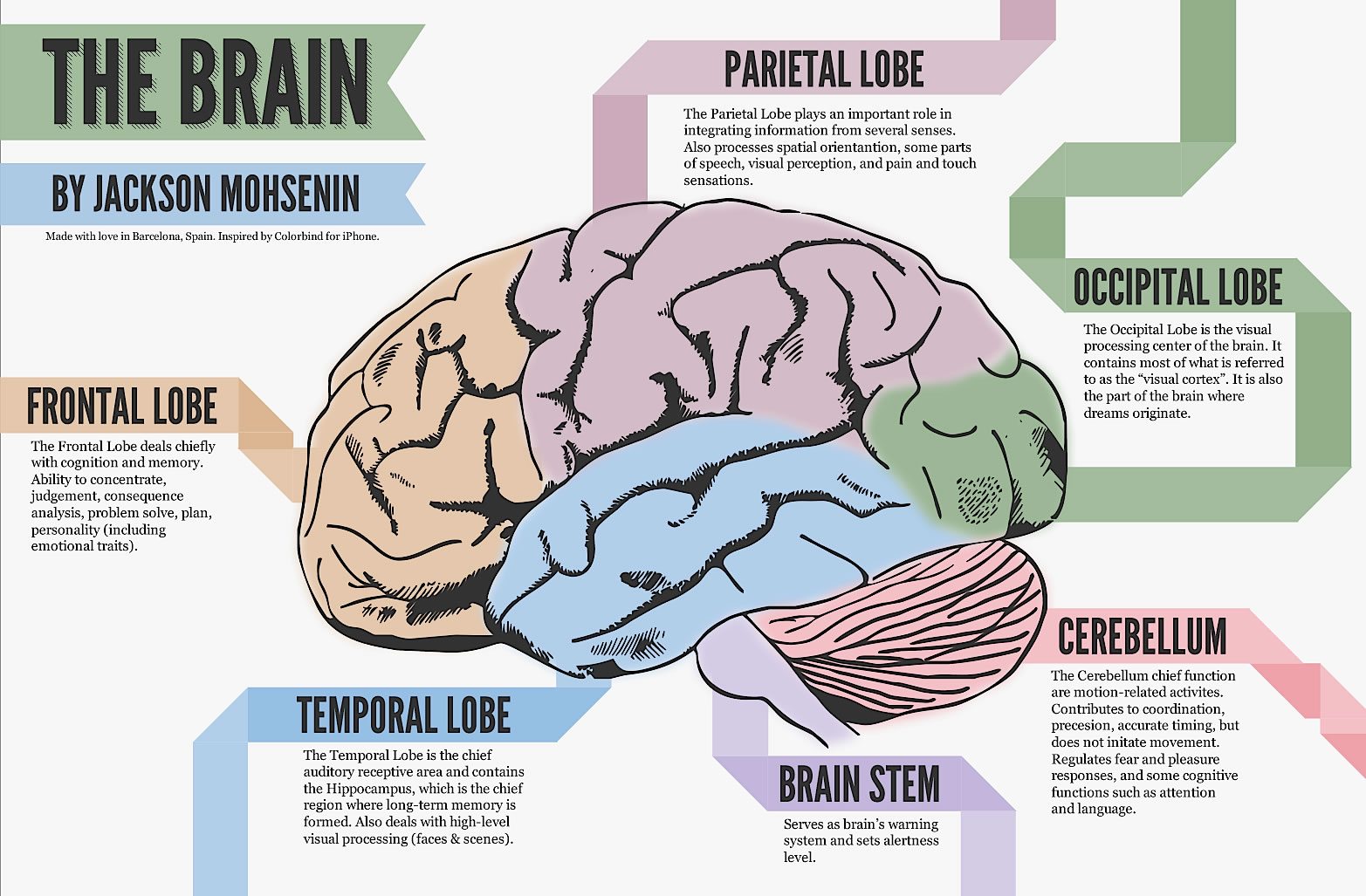
Mind Over Matter: The Brain’s Way of Healing
In 2008 I wrote about neuroplasticity as presented in Norman Doidge’s book The Brain That Changes Itself. I urge you to click on the link and read what I wrote there before you continue. The science is fascinating. The brain is far more malleable than we once thought. Areas of the cortex devoted to a sensory input shrink when that input is...