


Cranial Manipulation and Tooth Fairy Science
Tooth Fairy Science is science that studies a phenomenon that doesn’t exist. You can do studies on the Tooth Fairy; for instance, comparing how much money she leaves to kids in different socioeconomic groups. You can do studies on the memory of homeopathic water. You can do studies on the therapeutic effects of smoothing out wrinkles in the imaginary human energy field...
When urgency to cure beats research ethics, bad things happen
Editor’s note: Just for your edification, here’s a “bonus” post. True, you might have seen this recently elsewhere, but it’s so appropriate for SBM that I couldn’t resist sharing it with those of you who might not read the other source where this was published recently. 🙂 I’ve written a lot about Stanislaw Burzynski and what I consider to be his unethical...
Preventing autism? Not so fast, Dr. Mumper…
Dug the Dog strikes again, as he did three weeks ago. I had a couple of ideas for a post this week, but none of them were time-sensitive or timely. Then, over the weekend, I saw a post on the antivaccine crank blog Age of Autism by Dan “Where are the Autistic Amish” Olmsted entitled Weekly Wrap: Another Medical Practice with a...
Survey Says… Infectious Disease Docs and CAM
Surveys are evidently a popular way to get a paper published. Put “complementary alternative medicine survey” into Pubmed and get 2,353 hits. I would have trouble coming up with a hundred groups about whom I would be interested in their use of SCAMs, but I tend to be a lumper rather than a splitter. But if you want to know about SCAM...
CAM practitioners as primary care providers under the Affordable Care Act: Part 1
Section 2706 (42 U.S.C. Sec. 300gg-5) of the Affordable Care Act (the “ACA” or “Obamacare”) prevents “discrimination” against any health care provider acting within the scope of his or her state license. The provision, supported by the American Chiropractic Association and other CAM practitioners, was inserted, without a hearing, under the leadership of Sen. Tom Harkin. Sec. 2706 is of concern to...
Conscious Discipline – More Dubious Neuroscience
I did not coordinate my topic for today with Harriet’s excellent review yesterday of Satel and Lilienfeld’s excellent book; the timing is just fortuitous. Harriet discussed popular abuses of neuroscience, which often amount to an oversimplification and hyperreductionism of a complex area of study. I was recently asked to comment on a claim that I feel falls squarely into this realm –...

Brainwashed: Neuroscience and Its Perversions
Sally Satel and Scott Lilienfeld have written a new book, Brainwashed: The Seductive Appeal of Mindless Neuroscience. Its purpose is not to critique neuroscience, but to expose and protest its mindless oversimplification, interpretive license, and premature application in the legal, commercial, clinical, and philosophical domains. The brain is a wondrous thing: “…the three pound universe between our ears has more connections than...
E-cigarettes: The growing popularity of an unregulated drug delivery device
This post is not about vaccines (for a change). However, I deem it appropriate to mention that one of the topics that I blog most frequently about is vaccines and how the antivaccine movement pushes pseudoscience and quackery based on its apparently implacable hatred of vaccines. (You’ll see why very shortly.) It seems almost as long as my interest in the topic...
Science-Based Satire: Improperly Performed Acupuncture Linked to Spontaneous Human Combustion
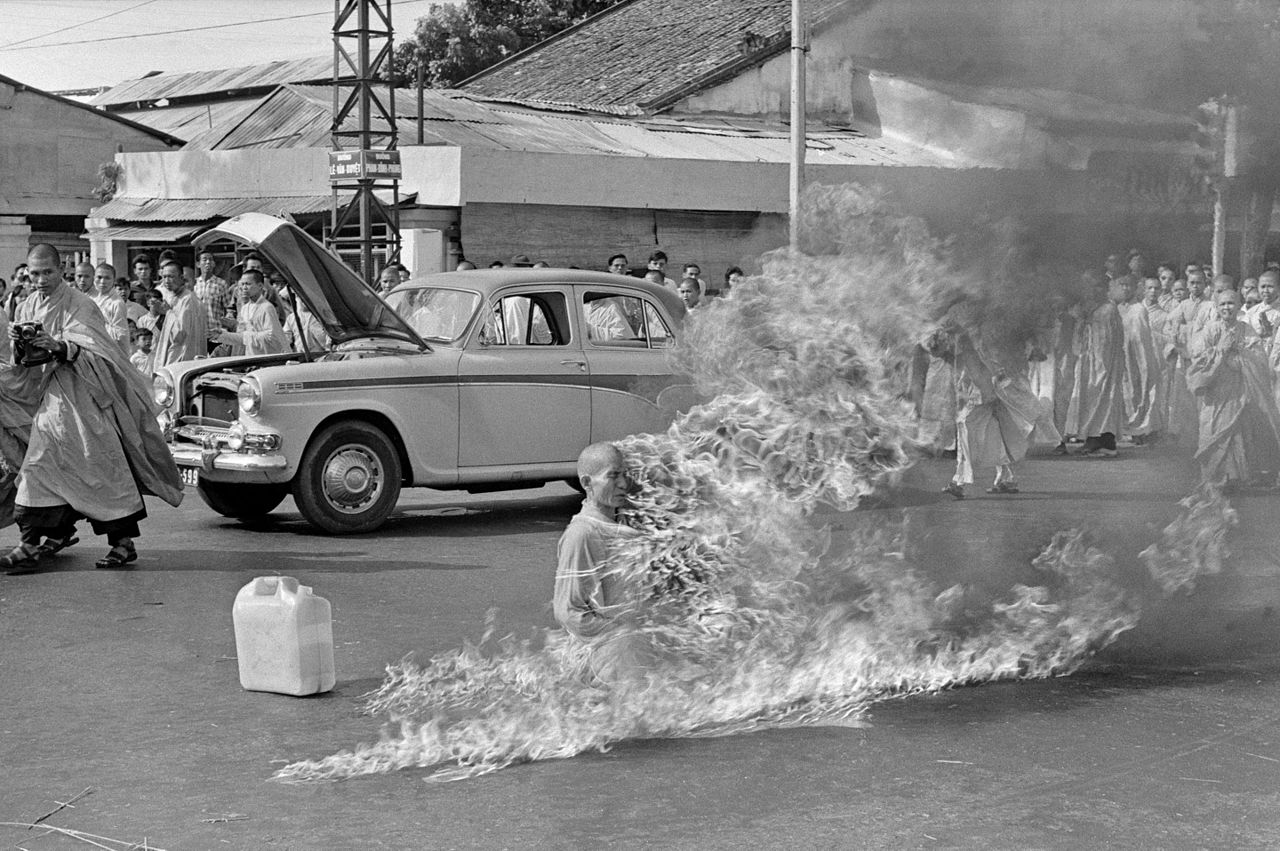
Experts in traditional Chinese medicine are warning patients to avoid unlicensed acupuncture practitioners after an apparent case of spontaneous human combustion. Baton Rouge, LA-When investigators climbed from out of the smoldering debris that was the home of Hank Thomas, the looks on their faces told the gathering crowd what these hardened veterans of the Baton Rouge Fire Department couldn’t put into words....
The facts of the alternative medicine industry
People have been living on earth for about 250,000 years. For the past 5,000 healers have been trying to heal the sick. For all but the past 200, they haven’t been very good at it. – Dr. Paul Offit Twenty years is a long time in medicine. I celebrated my 20th pharmacy class reunion last weekend. Of course reunions are time to...