

Category: Science and Medicine
Acupuncture for Amblyopia
An recent article in the journal Ophthalmology reported the results of a clinical trial that evaluated acupuncture as an adjunctive treatment for anisometropic amblyopia. In the abstract, the authors conclude: Acupuncture is a potentially useful complementary treatment modality that may provide sustainable adjunctive effect to refractive correction for anisometropic amblyopia in young children. Further large-scale studies seem warranted. A little background information...

Antioxidants and Exercise: More Harm Than Good?
Multivitamin supplementation has been getting a rough ride in the literature, as evidence emerges that routine supplementation for most is, at best, unnecessary. Some individual vitamins are earning their own unattractive risk/benefit profiles: Products like folic acid, calcium, and beta-carotene all seem inadvisable for routine supplementation in the absence of deficiency or medical indication. Vitamin E, already on the watch list, looks...
The Prince of CAM
Prince Charles is a big supporter of “natural” medicine, which in practice means unscientific and ineffective medicine. He has no particular expertise in this area, and there is absolutely no legitimate reason why he should have any influence over the practice of medicine in the UK. But he is the Prince of Wales, and he has chosen to use that celebrity to...
Woo-omics
Every so often, I come across studies that leave me scratching my head. Sometimes, these studies are legitimate scientific studies that have huge flaws or come from an assumption that is very off-base. Other times, they involve what Harriet Hall has termed “tooth fairy science,” wherein the tools of science are used to study a phenomenon that is fantastical, whose very existence...
November Hodgepodge
There have not been a lot of topics of late that warrant extensive analysis and discussion. But there are a number of little topics of interest, each worthy of a few paragraphs of discussion, archetypes of issues in medicine, science based and otherwise. Xigirs. No, it is not whale vomit, but close. Last month Xigris was pulled from the market by Lilly. ...
Pediatrics & “CAM” I: the wrong solution
Oh no! Not again! The venerable medical journal Pediatrics devotes an entire supplement this month to Pediatric Use of Complementary and Alternative Medicine: Legal, Ethical, and Clinical Issues in Decision-Making. We sense from the very first sentence that we are in familiar territory: Rapid increases the use of complementary and alternative medicine (CAM) raise important legal, ethical, clinical, and policy issues. (S150)...
Lessons Learned
I just returned from a trip to Montreal where I spoke at the Lorne Trottier Public Science Symposium, an annual event that David Gorski spoke at a year ago. My topic was “Puncturing the Acupuncture Myth” and the other speakers were Paul Offit, Edzard Ernst, and Bob Park. I was honored to be in such august company; and we were wined, dined, and...
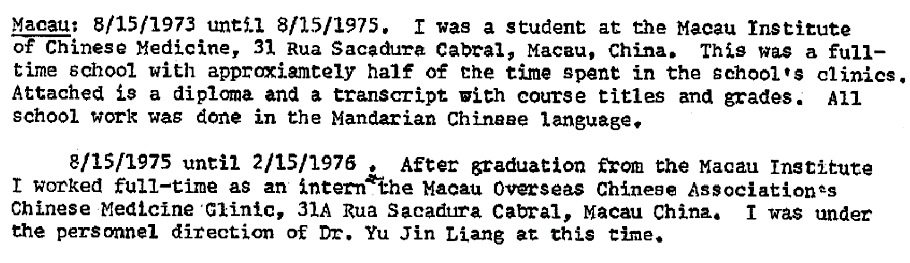
Dummy Medicine, Dummy Doctors, and a Dummy Degree, Part 2.3: Harvard Medical School and the Curious Case of Ted Kaptchuk, OMD (concluded)
A Loose End In the last post I wondered if Ted Kaptchuk, when he wrote the article titled “Effect of interpretive bias on clinical research,” had understood this implication of Bayes’s Theorem: that interpretations of most scientific investigations are exercises in inverse probability, and thus cannot logically be done without consideration of knowledge external to the investigation in question. I argued that...
Premature Claims for Neurotrophic Factors
Scientific medicine is not easy. By this point we have largely picked the low hanging fruit, and continued improvements are mostly incremental and hard won. In order to get the most out of our limited research dollars, and optimize medical practice with the safest and most effective treatments, we need to use all available scientific evidence in the proper way. That is...
Random Flu Thoughts
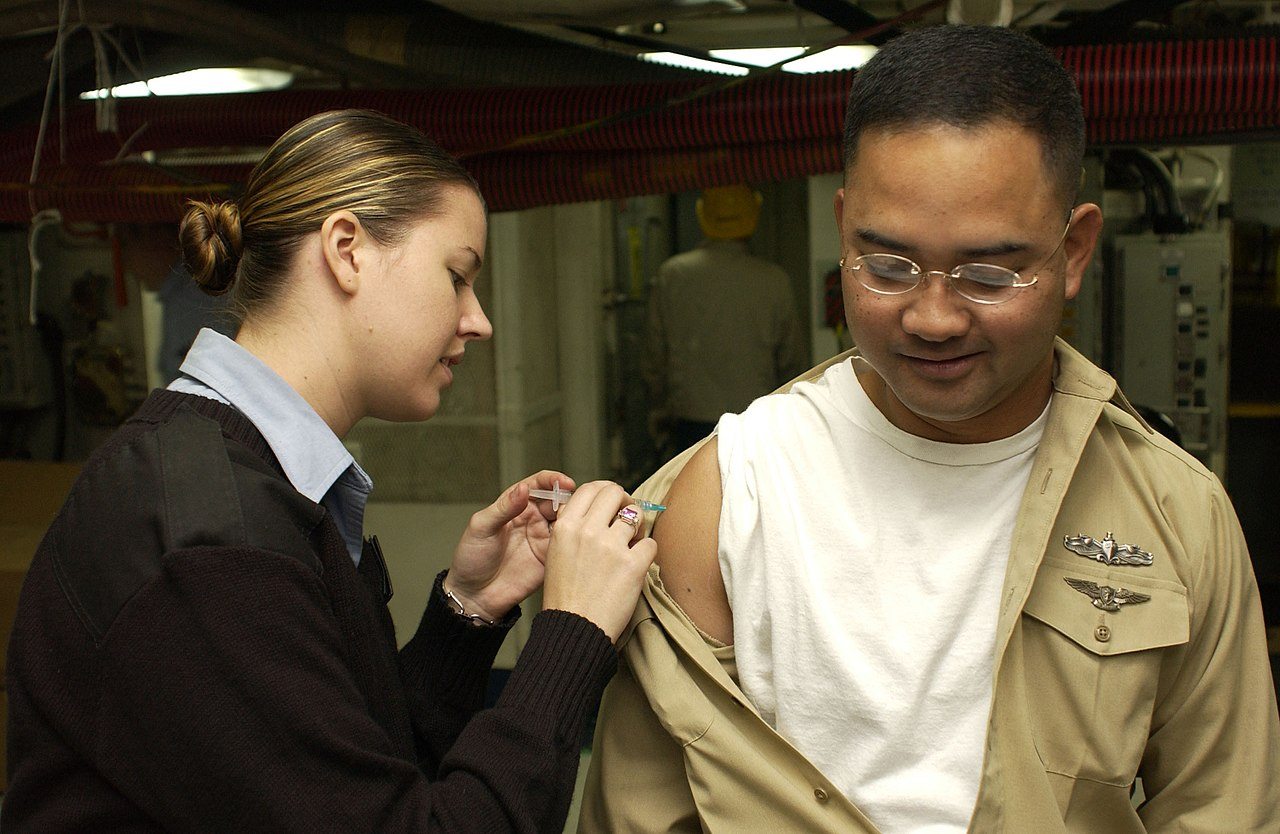
Influenza is a serious disease (not an upset tummy). The vaccine is an imperfect, yet still valuable tool in preventing deaths due to influenza. Get your 'flu shot!