

Category: Politics and Regulation
FDA promises industry-friendly “modernization” of dietary supplement regulation
The FDA promises the "most significant modernization of dietary supplement regulation" in 25 years while maintaining its industry-friendly regulatory scheme.

Why I Quit My Massage Therapy Career
Years ago, I was accused by my profession's regulator of being an ‘unprofessional’ Registered Massage Therapist for criticizing pseudoscience in alternative medicine. I accepted an unusual public reprimand and made a few changes to my website, but my regulator pressed their case, effectively demanding that I quit writing altogether. I quit the profession instead.
Antivaccine pseudoscience disguised as autism advocacy in the Minnesota legislature
Recently, Sen. Jim Abeler of Minnesota created the MN Autism Council, an advisory panel tasked with advising the legislature on autism policy. A closer look at the story reveals that Sen. Abeler is a chiropractor, two of the members are antivaxers, and one of them was a founding member tasked with forming the council. This is how antivaccine activism is disguised as...
Just How Addictive Are Opioids?
There is an opioid epidemic, with increasing overdose deaths from both prescription drugs and illegal drugs. Just how addictive are opioids? It appears they are safe when used appropriately, but there is a high risk of abuse, and they are deadly when misused, especially OxyContin.
“Right to try” laws create tremendous legal uncertainties; FDA expanded access preferable
The Goldwater Institute and the Kochs pushed "right to try" laws in an attempt to get rid of FDA oversight of access to investigational drugs. Instead, they created tremendous legal uncertainties, making the FDA's expanded access program preferable for all.
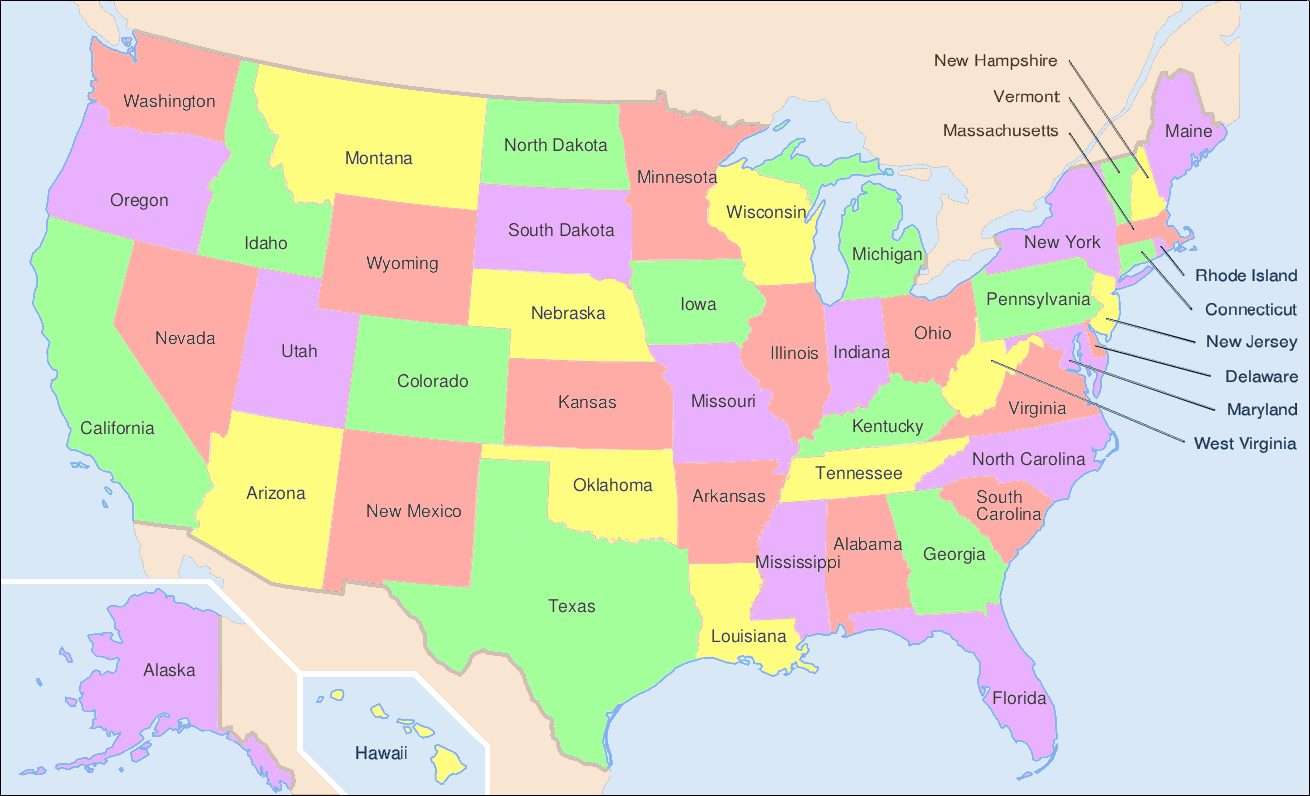
Legislative Alchemy 2018: Acupuncturists seek practice expansion and competition elimination
Acupuncturists want to expand their scope of practice far beyond sticking needles in people. Too many states are allowing them to treat pretty much anything with unproven and potentially dangerous remedies.
Legislative Alchemy 2018: Chiropractors rebranding as primary care physicians continues
Chiropractors are not properly educated and trained to be primary care physicians. Yet, their campaign to rebrand themselves as PCPs via legislation continues.
Legislative Alchemy 2018: naturopathic licensing and practice expansion shutout?
Naturopathic doctors pushed for licensing and practice expansion in 16 states in 2018. Looks like they are in for a complete shutout.

Addressing the epidemic of antivaccine misinformation
Last week, Dr. Gorski was on vacation. However, part of his vacation involved spending a couple of hours with two of his heroes, meeting new pro-science advocates, and talking vaccine hesitancy and the antivaccine movement.

IgG food intolerance tests continue to mislead consumers into unnecessary dietary restrictions
IgG food intolerance testing is ineffective, yet it continues to be promoted to consumers. CBC Marketplace recently investigated two Canadian companies that sell these tests.