

Category: Herbs & Supplements
Vitamin C strikes (out) again
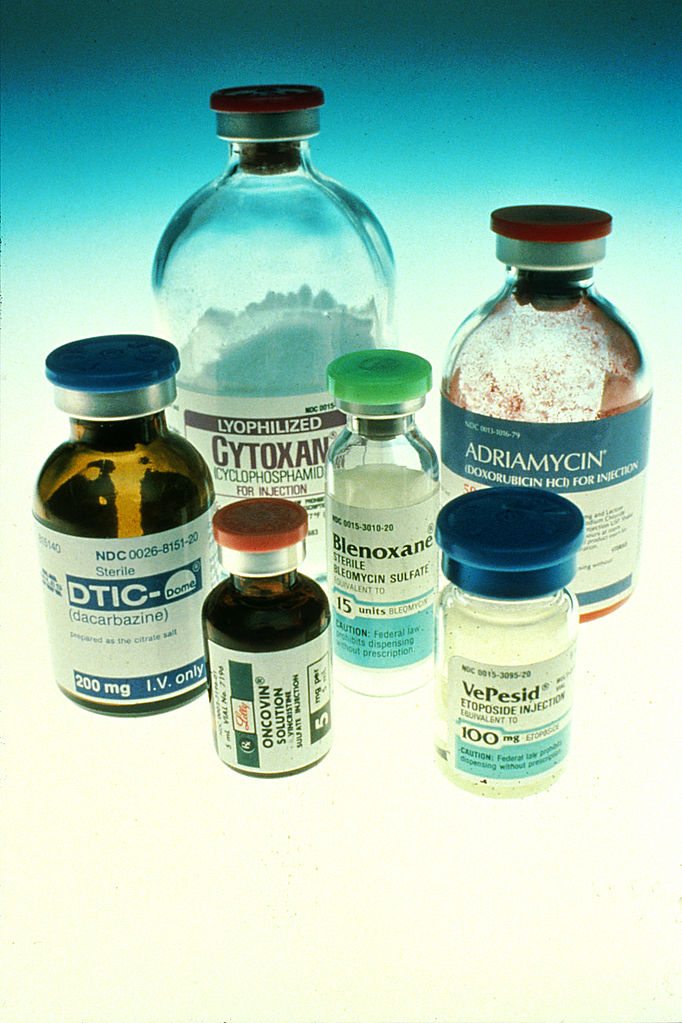
A new research paper on vitamin C and cancer came out recently, but didn't get much attention in the press. Why not? Because this one found vitamin C actually made things worse.
Misleading Ads in Scientific American
I’m frequently asked, “Is what that ad says really true?” Three recent inquiries have been about products advertised in Scientific American. An ad may acquire a certain cachet by appearing in a prestigious science magazine, but that doesn’t mean much. Scientific American’s editorial standards apparently don’t extend to its advertising department. I remain skeptical about the claims for all three of these:...
Is Kava Safe?
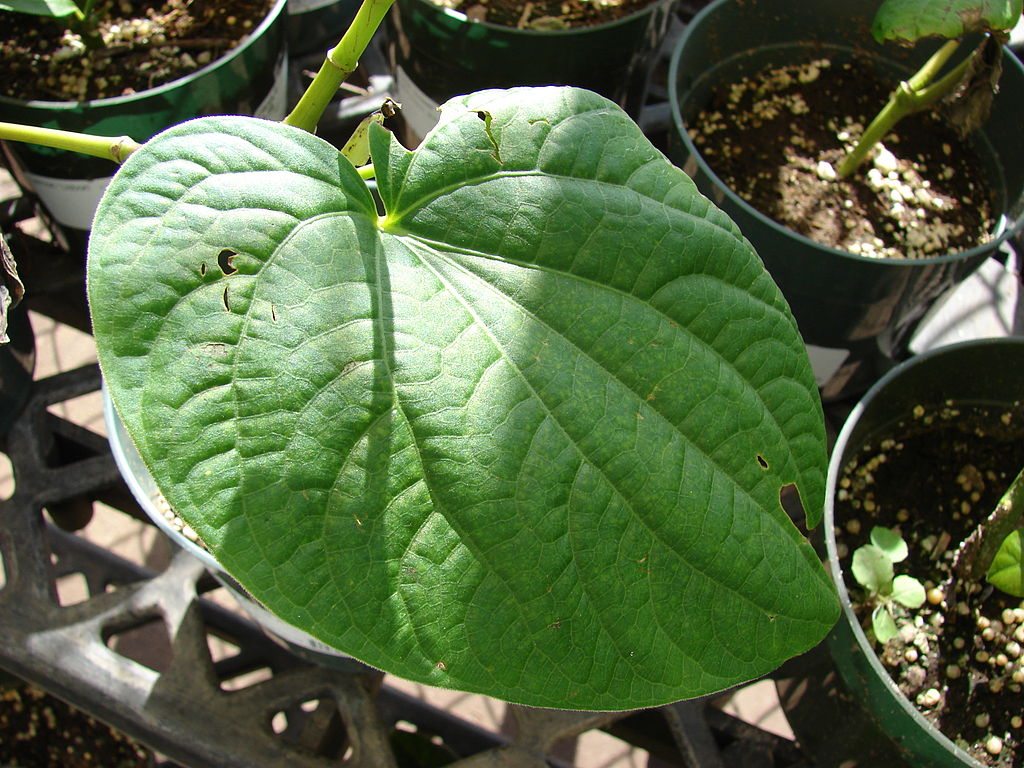
Kava is a plant that grows in the western Pacific. It was traditionally prepared as a drink and used for its psychoactive properties, including sedation, relaxation, and relief of anxiety. It is intoxicating but not addictive. It has become a popular supplement in the US, used to treat anxiety, depression, insomnia, stress, and menopausal symptoms. It has also been suspected of killing...
Polypharmacy – Is It Evidence-Based?
Polypharmacy essentially means taking too many pills. It’s a real problem, especially in the elderly. A family doctor gives an elderly patient one pill for diabetes, another for high blood pressure, and another to lower cholesterol. The patient sees a rheumatologist for his arthritis and gets arthritis pills. Then he sees a psychiatrist for depression and gets an antidepressant. He takes a...
An Herbal Cure for Peanut Allergy?
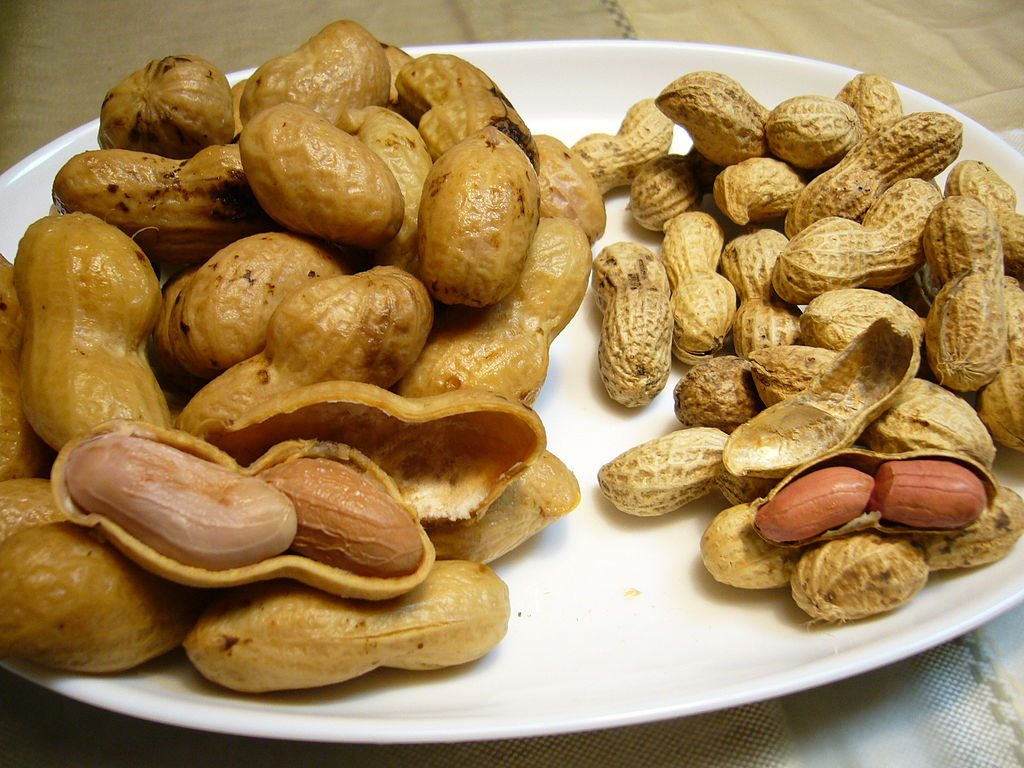
Peanut allergy is uncommon but devastating. Even a tiny trace of peanut can cause an anaphylactic reaction and death. That’s why labels specify “produced on shared equipment with nuts or peanuts” or “produced in a facility that also processes nuts.” There is no effective treatment: patients have to rely on avoiding peanuts and carrying emergency epinephrine injectors. Parents of peanut-allergic children live...
Should I Take a Multivitamin?
I’ll start with a confession. I used to do something irrational. I used to take a daily multivitamin, not because I thought there was good scientific evidence to support the practice, but for psychotherapy. I tried to eat a healthy diet and worried about it. By taking a pill, I could stop worrying. Then I found out that higher intake of vitamin...
Cavalcade of Quackery: A Pantomine Horse
Last week I received the news release below that Steve Zeitzew, an orthopedic surgeon at VA Hospital Los Angeles and UCLA, sent to the Healthfraud list. It was sent to me by our colleague Liz Woeckner, President of the nonprofit research protection advocacy organization Citizens for Responsible Care in Research (CIRCARE) http://www.circare.org/ Ms. Woeckner sent it on with a cryptic comment, wondering...
/
July 10, 2008
Another State Promotes the Pseudoscientific Cult that is “Naturopathic Medicine.” Part 4
The “Science” and Ethics of “Natural Medicines” (and Nutrition) cont. This is the continuation of a discussion concerning the explicit claim of “naturopathic physicians”* to being experts in the use of “natural medicines,” defined as “medicines of mineral, animal and botanical origin.” Last week’s post established that the cult has chosen to profit from the “retail selling of medications,” as evidenced by the relevant...
Another State Promotes the Pseudoscientific Cult that is “Naturopathic Medicine.” Part 3
The “Science” and Ethics of “Natural Medicines” This and the next entry in the current “Naturopathic Medicine” series* deal with the cult’s claim of expertise in “natural medicines” or “natural remedies.” These include herbs (“botanicals”), glandular extracts, vitamins, and minerals. A large fraction of the Textbook of Natural Medicine (TNM), “the most thoroughly researched and carefully referenced text on natural medicine,” is devoted...
Canada Bill C-51 – Regulating Natural Health Products
In Canada a new bill has been proposed, Bill C-51, that would make changes to the Food and Drug Act – the body of laws by which the Canadian federal government regulates food and health products in Canada. This is the equivalent of the Food and Drug Administration (FDA) in the US. It seems that Canada, like the US, is struggling to...