

Category: Herbs & Supplements
Red Yeast Rice and Cholesterol
While much of CAM is ridiculous or implausible, herbal remedies are an exception. Plants produce pharmacologically active substances; in fact, the science of pharmacology grew out of herbalism. Some herbal remedies have not been scientifically tested, but others have been tested and are clearly effective. Nevertheless, these are seldom if ever the best choice for treatment. One natural remedy stands out. Red...
The HCG Diet: Yet another ineffective quick fix diet plan and supplement
I contribute biweekly to Science-Based Medicine and could easily devote every post to writing about weight loss supplements, and never run out of topics. As soon as one quick fix falls out of favour, another inevitably replaces it. Some wax and wane in popularity. And pharmacies don’t help the situation. I cringe every time I walk down the aisle where weight loss...
Oxygen Is Good, Even When It’s Not There
Note: This article originally appeared in Skeptical Inquirer, 28(1), 48-50 & 55, January/February 2004. I’m recycling it now because I have been at The Amazing Meeting in Las Vegas instead of home at my computer writing new posts. It’s still timely: despite multiple debunkings and FTC actions, vitamin O is still for sale. Amazon has it for $4.80 an ounce. I’m no Mark...
Why Do They Do Studies Like This?
A recently published study claims to have shown that a proprietary mixture of velvet bean and Chlorophytum borivilianum improves sleep quality. The journal, Integrative Medicine Insights, is online, peer-reviewed, PubMed indexed, open-access, and it charges authors $1848.00 to publish their article. It advertises editorial decisions in 3 weeks and publication in 2 weeks after acceptance. I can see two reasons why authors...
Dr. Oz and Green Coffee Beans – More Weight Loss Pseudoscience
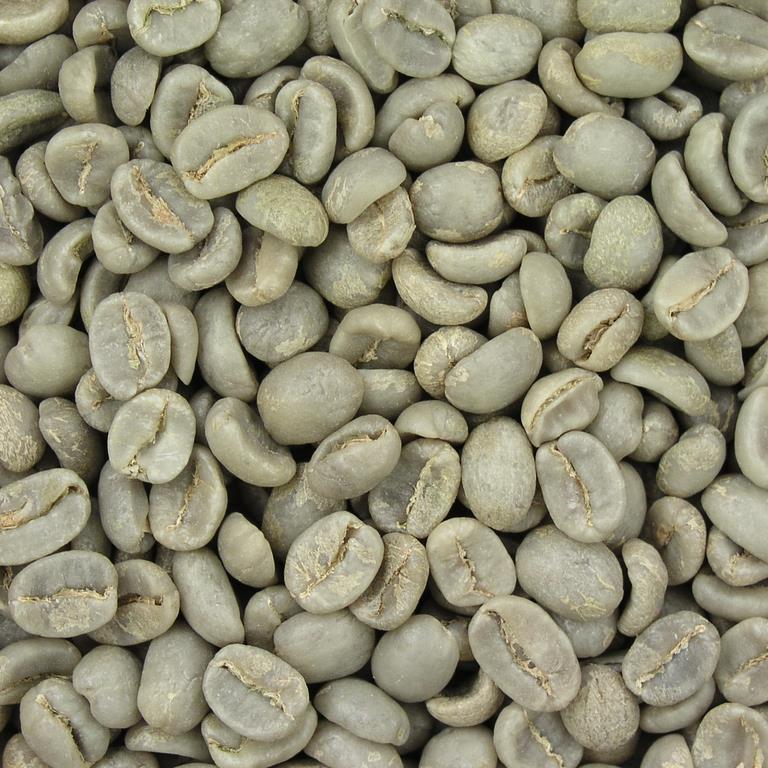
I can’t keep up with Dr. Oz. Just when I thought the latest weight loss miracle was raspberry ketone, along comes another weight loss panacea. This time, it’s green coffee beans. Eveyone knows Dr. Oz, now. Formerly a guest on Oprah, he’s got his own show which he’s built into what’s probably the biggest platform for health pseudoscience and medical quackery on...
5-hour Energy
What should you do if you feel tired? Taking a nap isn’t always possible. The ever-inventive capitalist marketplace has come up with another option. 5-hour Energy is a flavored energy drink sold as 2 oz “shots.” It was invented by Innovation Ventures in 2004. It is intended to counteract the afternoon slump, to increase alertness and energy, to help you stay sharp,...
Quackademic medicine trickles out to community hospitals
One of the major themes of this blog has been to combat what I, borrowing a term coined (as far as I can tell) by Dr. R. W. Donnell, like to refer to as “quackademic medicine.” Quackademic medicine is a lovely term designed to summarize everything that is wrong with the increasing embrace of so-called “complementary and alternative medicine” (CAM) or, as...
POM: Not So Wonderful
“POM Wonderful” is a brand of pomegranate juice. It is manufactured by a company owned by Linda and Stewart Resnick, California billionaires who pretty much single-handedly created a multi-million dollar market for pomegranate juice where none existed before. Or, as LA Times columnist Michael Hilzik wrote, It has long been clear that the most wonderful thing about Pom Wonderful pomegranate juice is...
Reporting Preliminary Findings
While scanning through recent science press releases I came across an interesting study looking at the use of a pharmaceutical grade antioxidant, N-Acetylcysteine (NAC), in the treatment of certain symptoms of autism. This is a small pilot study, but it did have a double-blind placebo controlled design. The press release reports: During the 12-week trial, NAC treatment decreased irritability scores from 13.1...
Bee Pollen Supplements – Not Safe or Effective
Among the myriad of supplements being offered to the public are various bee products, including bee pollen. The claims made for bee pollen supplements are typically over-hyped and evidence-free, as is typical of this poorly regulated industry. The claims from bee-pollen-supplements.com are representative: The benefits are enormous and the substance has been proven by many health experts. This particular substance is known...