

Category: Herbs & Supplements
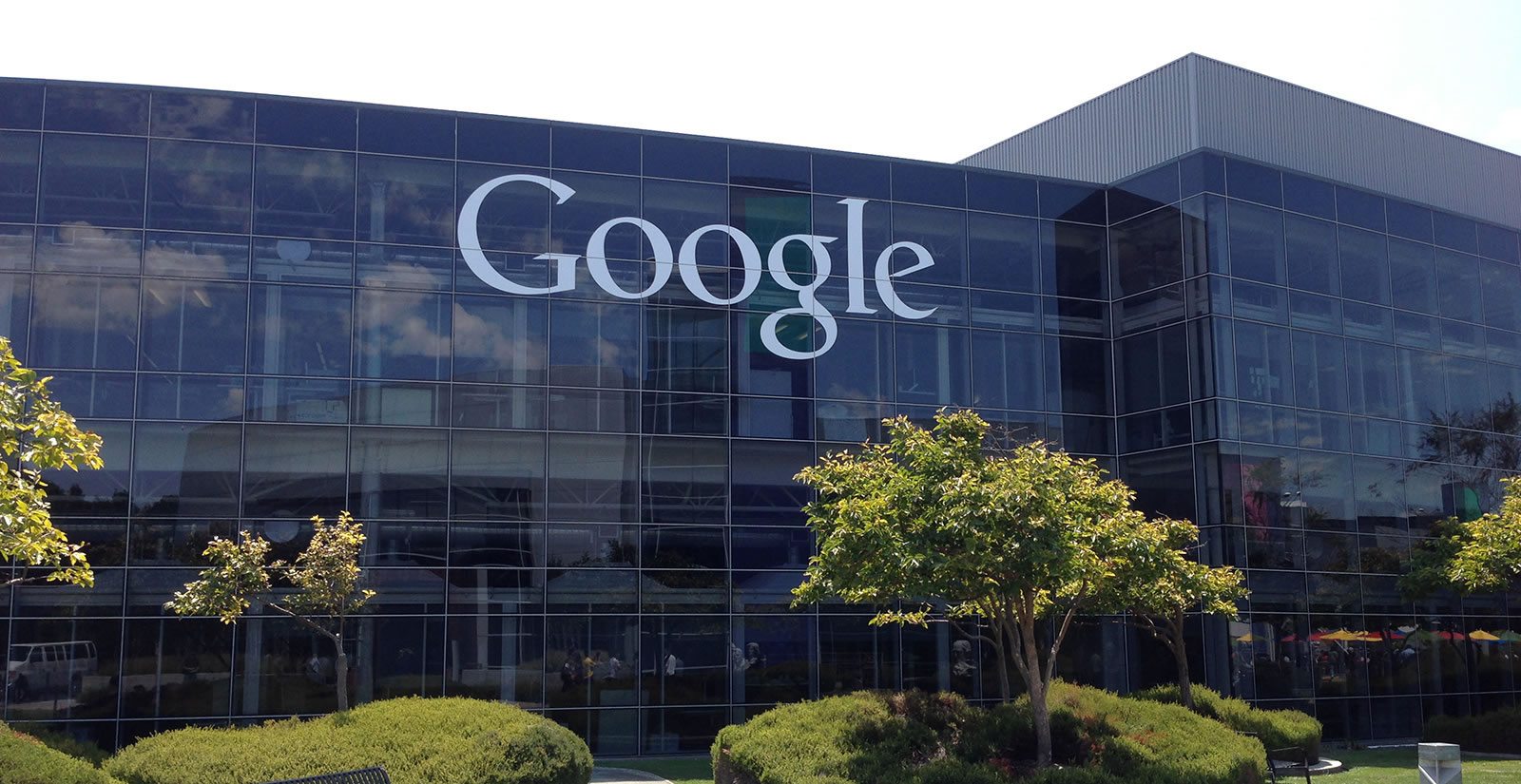
Google delists Mike Adams’ Natural News website. Was it because of fake news?
Last week, in a surprise move Google delisted Mike Adams' Natural News website. Predictably, Adams immediately cried "Conspiracy!" and accused Google of punishing him for his support for "natural health" and Donald Trump. The truth appears to be that Adams violated one of Google's rules, leaving the question: What's the best way to fight fake news and fake medicine on the Internet?

Bring on the Evidence: A new regulatory approach to CAM
Complementary and alternative medicine is popular, but it's poorly regulated, and most products lack good evidence of efficacy. A new approach proposed in Australia may help consumers make more informed, science-based health decisions.
Daniel and Tana Amen’s Book The Brain Warrior’s Way: Standard Health Advice Mixed with Misinformation and Fanciful Ideas
Daniel Amen, the media-savvy psychiatrist and promoter of SPECT scans, has teamed-up with his wife Tana to write a self-help book that hopelessly muddles good medical advice with misinformation and speculation.
Corrigendum. The Week in Review for 02/19/2017
More poorly done acupuncture studies. Burzynski eats just desserts. Italians like homeopathy. New Jersey is going after Oregon. And more

Natural Remedies for Diabetes: Plavinol, Glucopure
There is not enough evidence to support using dietary supplements in the treatment of diabetes. There is preliminary evidence that some herbs lower blood sugar by a modest amount, but it would be foolish to think they could replace conventional treatment of diabetes.
Corrigendum. The week in review for 02/12/2017
The week in review. Chiropractic and stroke. Integrative Medical doctors don’t trust vaccines. Death from medical marijuana. Shilajit: compost or mulch oozing from Himalayan rocks. India goes full Tuskeegee with AIDS. And more!
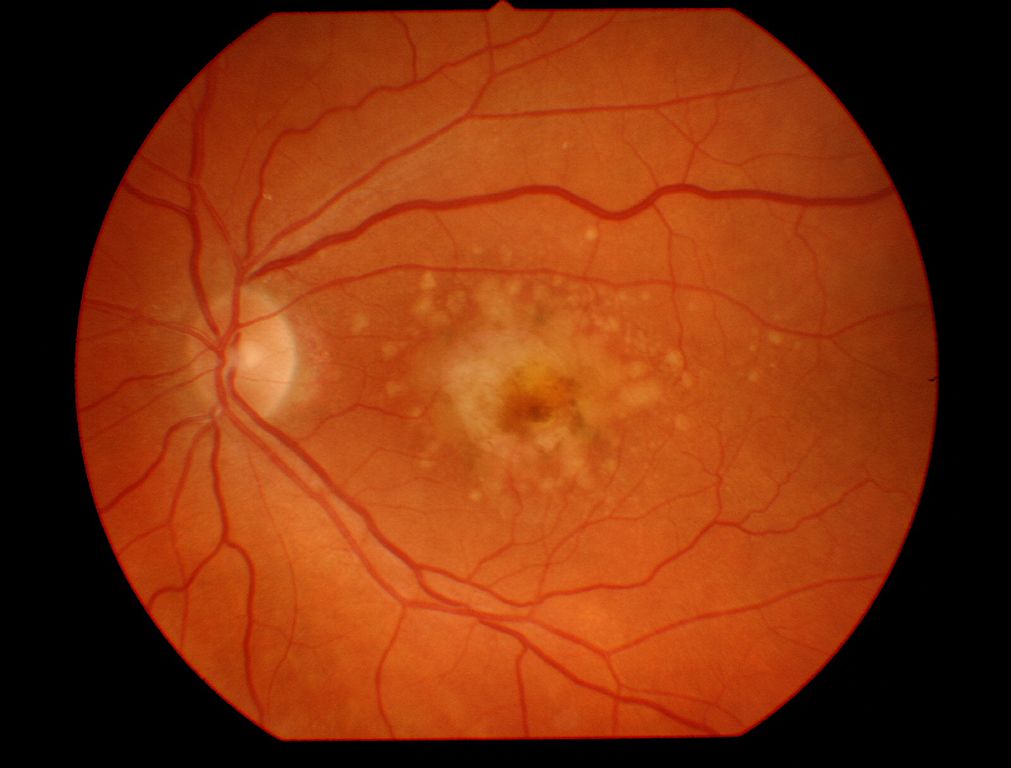
Re-thinking Antioxidant Supplementation for Macular Degeneration
After the AREDS trial, people with moderate to severe age-related macular degeneration were advised to take dietary supplements to slow the progression of the disease. But some experts say the trial actually showed supplements don't work, and might even make some patients worse.

Corrigendum: The week in review for 2/5/2017
Drinking hydrogen peroxide kills. Homeopaths don't care if their nostrums kill children. Acupuncture is placebo. But you knew that. Saudi Arabia bans reiki for the damnedest reasons. Eating placentas. And more!
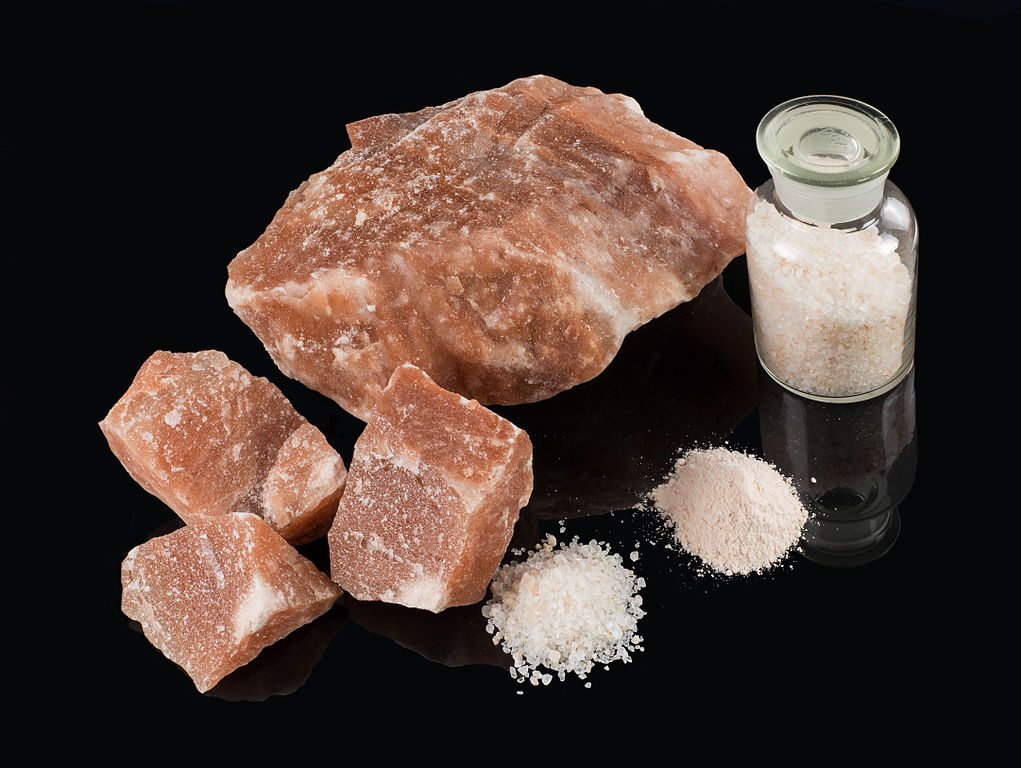
Pink Himalayan Sea Salt: An Update
The claims of health benefits from pink Himalayan sea salt are not supported by a shred of evidence. In fact, its vaunted “84 trace minerals and elements” include several poisons and many radioactive elements.
Corrigendum. The week in SBM for 1.22.2017
Not every article and study that pops up my feeds in the world of pseudo-medicine is worthy of a complete blog post. But they need to be noticed and commented upon: Liver toxicity from herbs. Popped lungs from acupuncture. Chiropractic does not help scoliosis. Yoga is just exercise. There are eight kinds of wind: Great Feathery Wind, Scheming Wind, Hard Wind, Great...