

Category: Clinical Trials
Acupuncture for Coronary Artery Disease
I have spent the last 35 years mostly in acute care medicine. Spending my day in the hospital gives me the bias that we are fragile creatures who can die unexpectedly and easily. Much of the time we pull patients through, but I have a great respect for acute diseases. Over the years I have seen too many people wake up feeling...
Patient Beware: Off-label drug promotion by pharmaceutical companies
Pharmaceutical companies and their sales reps can distribute information, such as medical journal articles, about unapproved (“off-label“) uses of their drugs as long as they adhere to FDA guidelines. However, the FDA takes the position that this information must be distributed separately from information that is “promotional in nature,” i.e., for marketing purposes, a position that is now open to question. Off-label...
Are the recommended childhood vaccine schedules evidence-based?
We write about vaccines a lot here at SBM, and for a very good reason. Of all the medical interventions devised by the brains of humans, arguably vaccines have saved more lives and prevented more disability than any other medical treatment. When it comes to infectious disease, vaccination is the ultimate in preventive medicine, at least for diseases for which vaccines can...
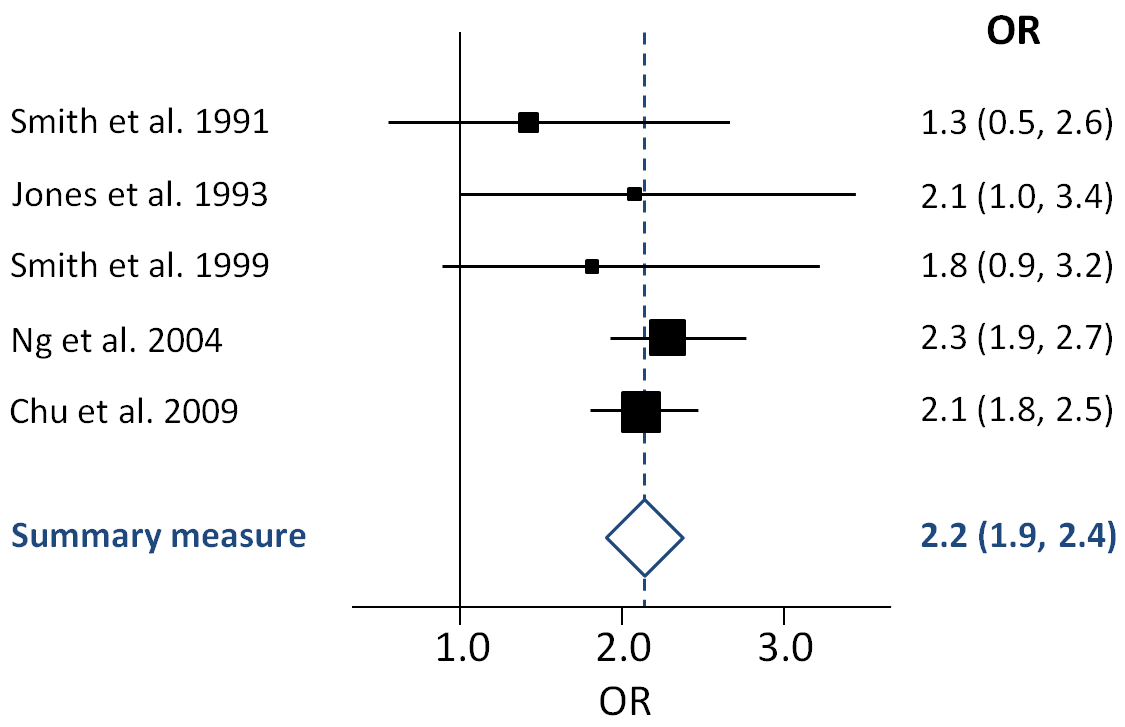
Reporting results from clinical trials is vital for science-based medicine
Clinical trials must report on their outcomes, irrespective their results. Doctors and their patients need all the information, not just the good news stories, to make informed decisions.
Curse Removal from the Annals. More Acupuncture Nonsense.
A short post this week. Last weekend was a busy call weekend and as I type this I am heading for Palm Springs for a long weekend of hiking in the desert. If there is no entry in 14 days, look for my bleached bones somewhere in Joshua Tree. Some observations about a recent article in the once-respected Annals of Internal Medicine,...
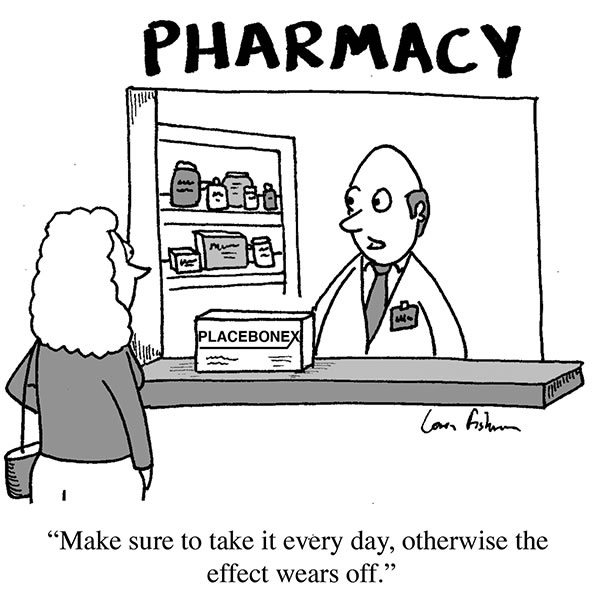
Is “harnessing the power of placebo” worthwhile to treat anything?
We frequently write about placebo effects here on Science-Based Medicine. The reason is simple. They are an important topic in medicine and, at least as importantly, understanding placebo effects is critical to understanding the exaggerated claims of advocates of “complementary and alternative medicine” (CAM), now more frequently called “integrative medicine” (i.e., integrating pseudoscience with science). Over the years, I (and, of course,...
The fine line between quality improvement and medical research
As I’ve mentioned before, the single biggest difference between science-based medicine (SBM) and what I like to call pseudoscience-based medicine, namely the vast majority of what passes for “complementary and alternative medicine” (CAM) or “integrative medicine” is that SBM makes an active effort to improve. It seeks to improve efficacy of care by doing basic and clinical research. Then it seeks to...
Is scientific peer review a “sacred cow” ready to be slaughtered?
I’ve frequently noted that one of the things most detested by quacks and promoters of pseudoscience is peer review. Creationists hate peer review. HIV/AIDS denialists hate it. Anti-vaccine cranks like those at Age of Autism hate it. Indeed, as a friend of mine, Mark Hoofnagle, pointed out several years ago, pseudoscientists and cranks of all stripes hate it. There’s a reason for...
Worshiping at the altar of the Cult of the Brave Maverick Doctor
One of my favorite television shows right now is The Knick, as I described before in a post about medical history. To give you an idea of how much I’m into The Knick, I’ll tell you that I signed up for Cinemax for three months just for that one show. (After its second season finale airs next Friday, I’ll drop Cinemax until...