

Category: Science and Medicine
Oppose “Big Floss”; practice alternative dentistry
We survived almost all of human history without it. Yet in the last 100 years people have allowed themselves to be hoodwinked by a huge corporate conspiracy into believing that we “need” their products. They cite studies and claim we don’t understand science; they ignore ancient folk wisdom and have no respect for our intuition. They peddle their products without regard to...
/
December 31, 2009

The “pharma shill” gambit
It's the oldest, laziest trope used by quacks and those who love them. Facing science-based criticism? Obviously, then, your critic must be in the pocket of big pharma! I present...the Pharma Shill Gambit.
Buteyko Breathing Technique – Nothing to Hyperventilate About
A reader recently sent in a link to a New York Times article that discussed an alternative breathing technique developed in Russia for the treatment of asthma called the Buteyko Method, or the Buteyko Breathing Technique (BBT), and asked for an evaluation of the claims on SBM. This post will attempt to be a reasonably comprehensive evaluation of Buteyko and his therapy...
2009’s Top 5 Threats To Science In Medicine
As 2009 comes to an end, it seems that everyone is creating year-in-review lists. I thought I’d jump on the list band wagon and offer my purely subjective top 5 threats to rational thought in healthcare and medicine. Of course, it strikes me as rather ironic that we’re having this discussion – who knew that medicine could be divorced from science in...
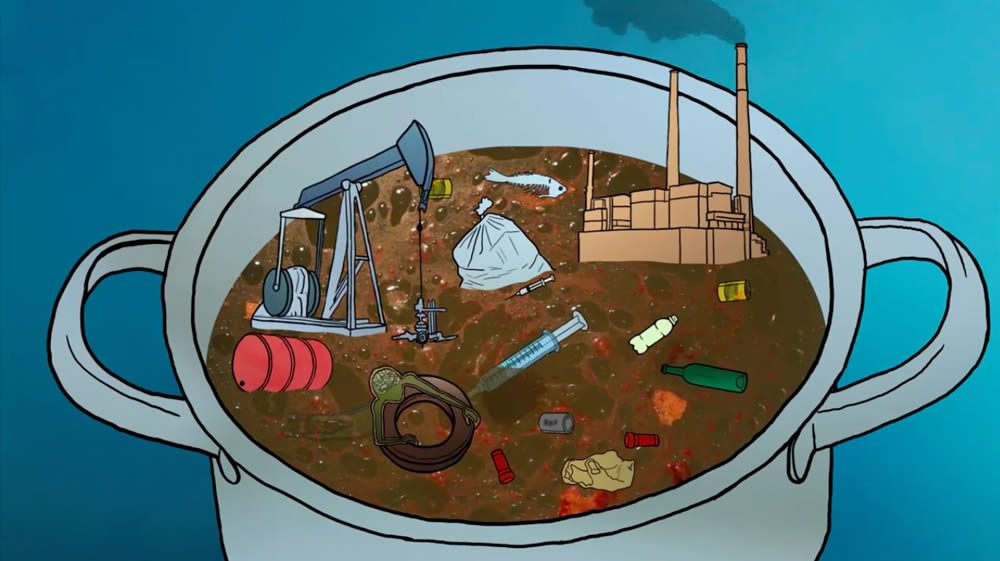
“Toxins”: the new evil humours
They say that everything old is new again and that is certainly true in the world of “alternative” health. One of the axiomatic premises of contemporary “alternative” health puts its believers behind the times … by approximately 500 years. A fundamental premise held by believers in “alternative” health is that we are swimming in a world of “toxins” and those “toxins” are...
/
December 24, 2009
Multiple Sclerosis and Irrational Exuberance
Multiple sclerosis (MS) is fascinating illness that can range from mild annoyance to debilitating nightmare. The frightening nature and unclear cause of the disease makes it a magnet for questionable medical therapies (i.e. quackery). A piece published last week in (surprise!) The Huffington Post helps fuel the fires of suspicion and paranoia while failing to shed any light on the future of...
Measles
It looks like the H1N1 pandemic is fading fast. I am amazed at how lucky we were, at least in the hospitals where I work. A month ago all the ICU beds were full, most of the ventilators were in use and we were wondering how we were going to triage the next batch of patients who needed advanced life support and...
Acupuncture, the P-Value Fallacy, and Honesty
Credibility alert: the following post contains assertions and speculations by yours truly that are subject to, er, different interpretations by those who actually know what the hell they’re talking about when it comes to statistics. With hat in hand, I thank reader BKsea for calling attention to some of them. I have changed some of the wording—competently, I hope—so as not to...
An Influenza Recap: The End of the Second Wave
We are nearing the end of the second wave of the 2009 H1N1 pandemic, and are now a few months out from the release of the vaccine directed against it. Two topics have dominated the conversation: the safety of the 2009 H1N1 influenza vaccine, and the actual severity of the 2009 H1N1 infection. Considering the amount of attention SBM has paid the...