

Tag: subluxation theory
Chiropractic and the Newborn Baby
I had the pleasure of speaking on the topic of chiropractic and the newborn baby earlier this week at a meeting of the Boston Skeptics. There is a video of the talk online for anyone interested in learning more. And if you haven’t yet, please read yesterday’s post on chiropractic and babies by Sam Homola. My introduction to pediatric chiropractic Although I was...
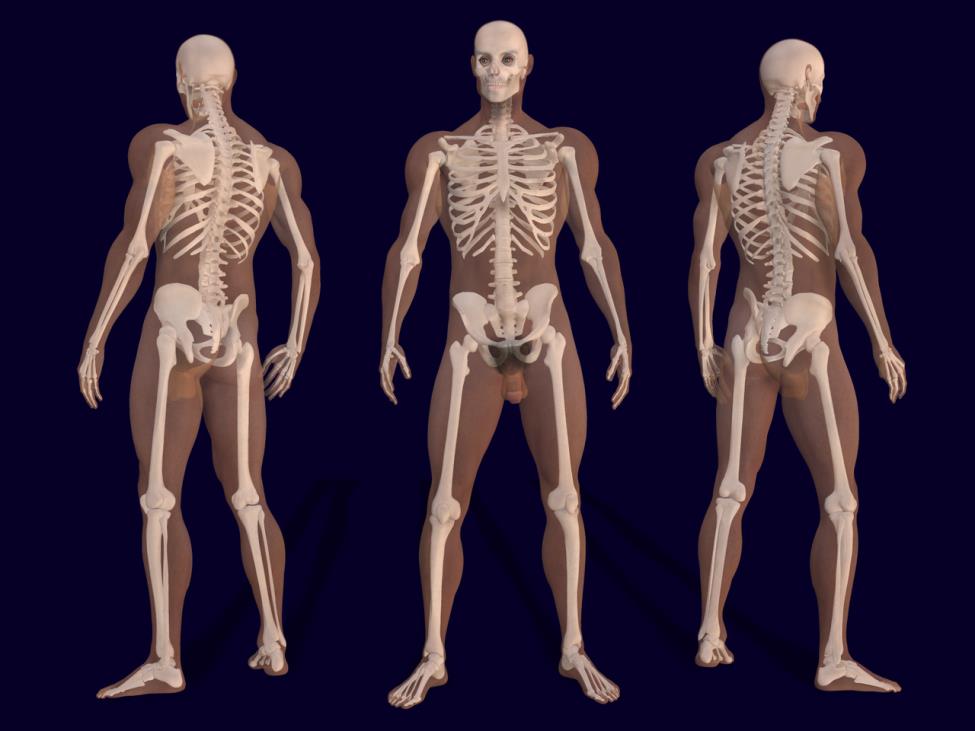
NCCAM manipulates spinal manipulation
“Complementary and alternative medicine,” as pediatrician and fellow blogger John Snyder aptly stated in a recent journal article on CAM and children, is a term used to describe a disparate, poorly defined set of practices and treatment modalities presumed to be distinct from so-called ‘conventional medicine’. As we have discussed here at Science-Based Medicine, this amorphous concept facilitates a convenient fluidity in delineating...
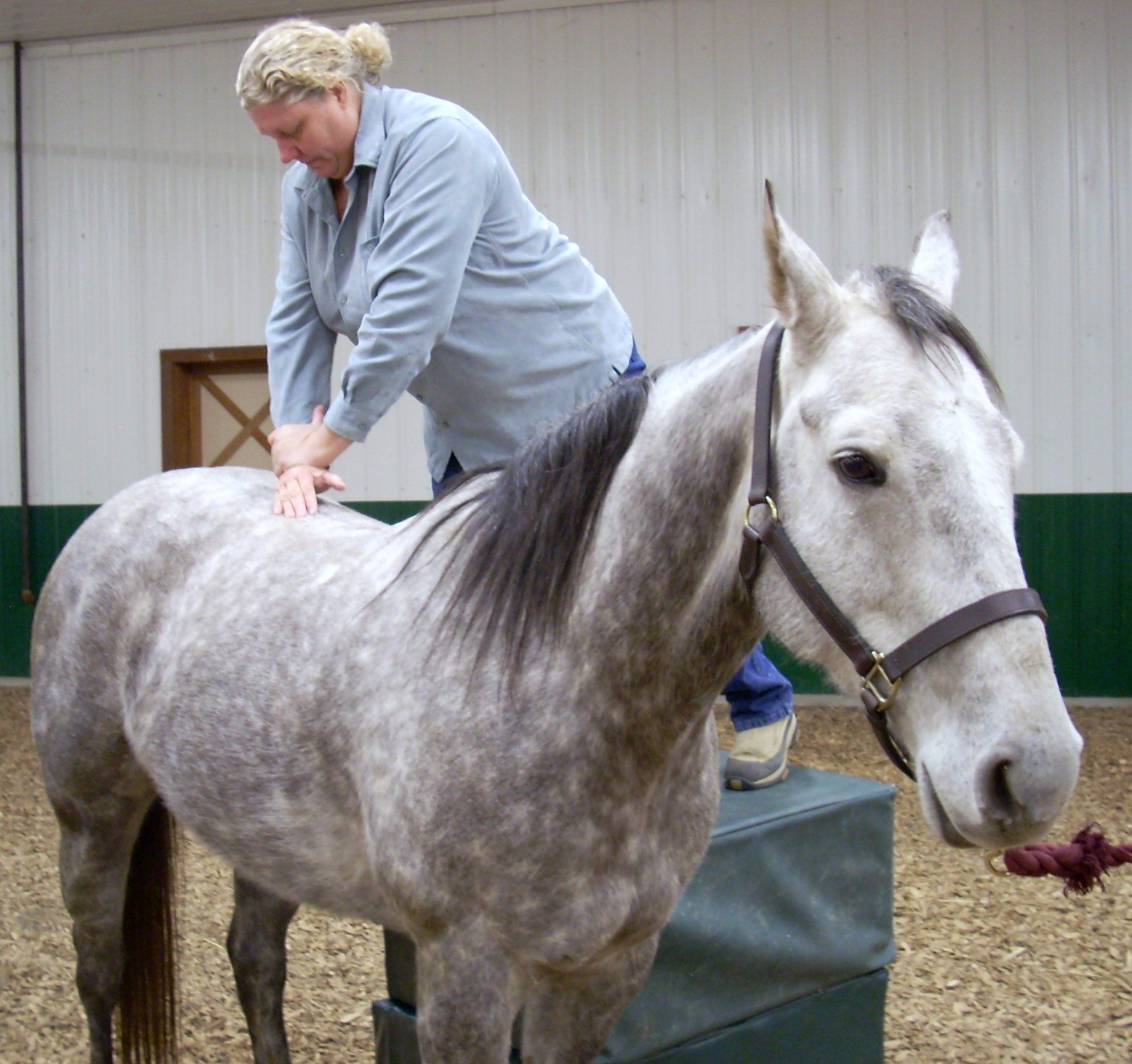
An Appraisal of Courses in Veterinary Chiropractic
Today’s guest article, by By Ragnvi E. Kjellin, DVM, and Olle Kjellin, MD, PhD, was submitted to a series of veterinary journals, but none of them wanted to publish it. ScienceBasedMedicine.org is pleased to do so. Animal chiropractic is a relatively new phenomenon that many veterinarians may know too little about. In Sweden, chiropractic was licensed for humans in 1989, but...
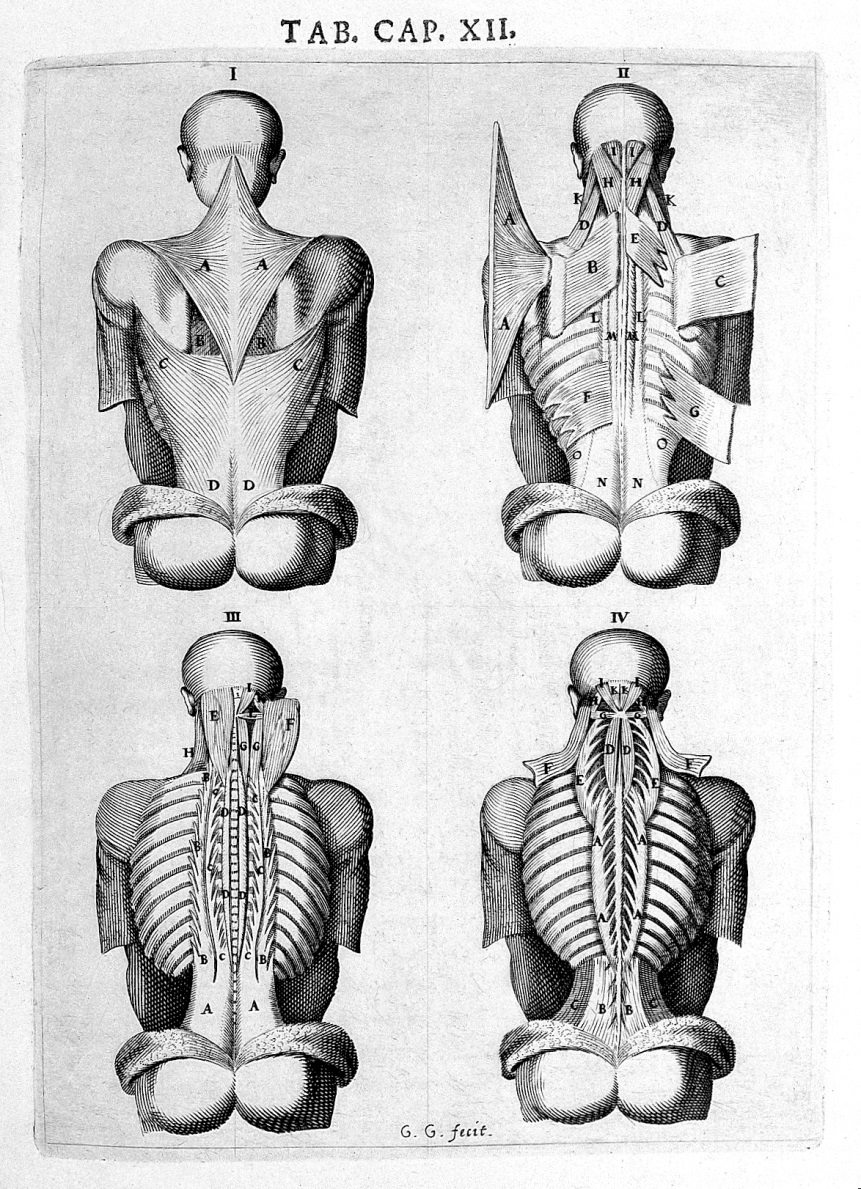
Subluxation Theory: A Belief System That Continues to Define the Practice of Chiropractic
Chiropractic as a profession is defined by the subluxation theory, the unfalsifiable belief that disease is caused by impaired nerve flow. No proof exists for this theory, and likely never will.
Science-based Chiropractic: An Oxymoron?
I spent 43 years in private practice as a “science-based” chiropractor and a critic of the chiropractic vertebral subluxation theory. I am often asked how I justified practicing as a chiropractor while renouncing the basic tenets of chiropractic. My answer has always been: I was able to offer manipulation in combination with physical therapy modalities as a treatment for mechanical-type back pain—a...