

Category: Science and Medicine
My NCCAM Wish List
For a number of reasons, well-argued many times here on SBM, it would be beneficial to American citizens if the National Center for Complementary and Alternative Medicine (NCCAM) were abolished. This does not seem to be in the cards anytime soon. Here, then, are my suggestions for making the Center less dangerous and less of a marketing tool for pseudomedicine than it...
Less salt: it’s that simple
It has been known for decades that dietary sodium is significantly associated with hypertension and coronary heart disease. Despite this knowledge, Americans continue to consume more sodium, most of it coming from processed foods. Various approaches have been used to help individuals modify their behavior, one of the most popular of which is the DASH diet. Given what we know, you would...
Being Negative Is Not So Bad
A new study published in PLOS Biology looks at the potential magnitude and effect of publication bias in animal trials. Essentially, the authors conclude that there is a significant file-drawer effect – failure to publish negative studies – with animal studies and this impacts the translation of animal research to human clinical trials. SBM is greatly concerned with the technology of medical...
“Vaccines didn’t save us” (a.k.a. “vaccines don’t work”): Intellectual dishonesty at its most naked
If there’s one thing about the anti-vaccine movement I’ve learned over the last several years, it’s that it’s almost completely immune to evidence, science, and reason. No matter how much evidence is arrayed against it, its spokespeople always finds a way to spin, distort, or misrepresent the evidence to combat it and not have to give up the concept that vaccines cause...
H. Pylori, Plausibility, and Greek Tragedy: the Quirky Case of Dr. John Lykoudis
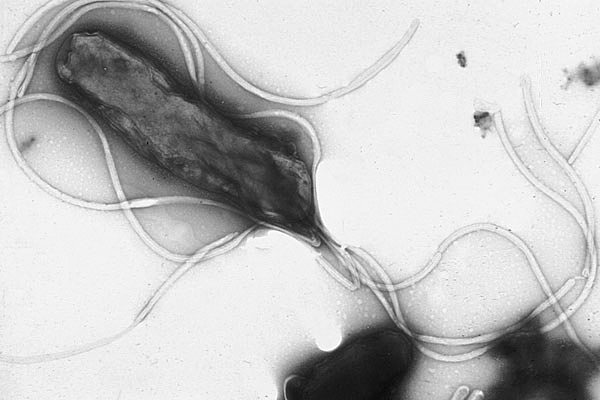
Mark Crislip is on vacation, but through an arduous series of shakings and succussions (beating his head against the wall?) we have channeled part of his essence: This post mostly concerns itself with infectious diseases, thanks to several recent posts on SBM that discussed the plausibility of health claims† and that touched on the recent discovery that most peptic ulcer disease (PUD)...
Vaccinations and autism: are we number 1?
It has been alleged by Great Minds such as Jenny McCarthy that the US recommends far more vaccinations than other countries. Her precise statement was, “How come many other countries give their kids one-third as many shots as we do?” She put this into the context of wondering if our current vaccine schedule should be less rigid. The entire piece was filled...
Placebo Effects Revisited
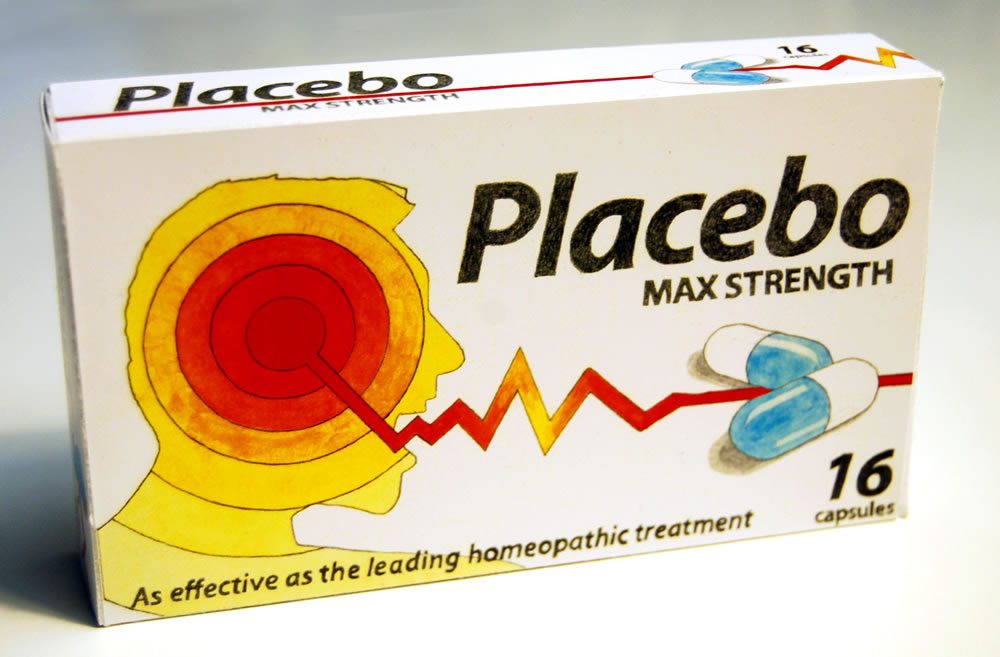
In the Wall Street Journal last week was a particularly bad article by Melinda Beck about acupuncture. While there was token skepticism (by Edzard Ernst, of course, who is the media’s go-to expert for CAM), the article credulously reported the marketing hype of acupuncture proponents. Toward the end of the article Beck admits that “some critics” claim that acupuncture provides nothing more...
KA at Boston Skeptics in the Pub March 29
Yers truly will speak at Tommy Doyle’s, Harvard Square, Cambridge. 7:00 PM on March 29. Title: Implausible Health Claims and Human Studies Ethics: A Collision Course Description: A broad international consensus regarding protections for subjects in human trials emerged during the 2nd half of the 20th century. It can be summarized in several tenets, most of which pertain explicitly or implicitly to scientific...
The Evolving Science and Guidelines of CPR
Pearl of wisdom for the day: If given the option, don’t let your heart stop. Very Bad Things soon follow if your heart stops. In spite of what the entertainment industry would have you believe, it is extremely difficult to save the life of someone in cardiac arrest. A few random breaths, slow rocking chest compressions, even the ever-so-dramatic overhand blow to...
How bad can health reporting get?
A couple of years ago, a number of us raised concerns about an “investigative reporter” at a Detroit television station. At the time I noted that investigative reporters serve an important role in a democracy, but that they can also do great harm, as when Channel 7’s Steve Wilson parroted the talking points of the anti-vaccine movement. Wilson has since been canned...