

Category: Public Health
Vaccine Whistleblower: BS Hooker and William Thompson try to talk about epidemiology
Here we go again with the whole “CDC Whistleblower” thing, this time with a book about the recorded conversations between Brian J. Hooker and William Thompson. Well, not the whole conversations, of course. If they were to release the whole conversations, we might get the truth, and the truth always gets in the way of the antivax crowd. Instead, we get an...
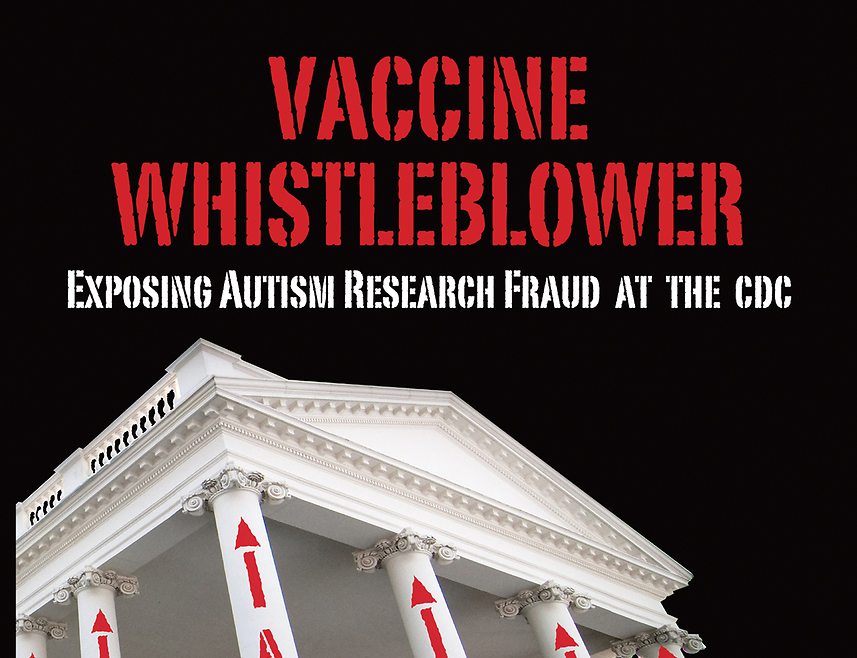
Vaccine Whistleblower: An antivaccine “exposé” full of sound and fury, signifying nothing
Antivaccine lawyer Kevin Barry has published a book containing what are allegedly the transcripts of telephone conversations between "CDC whistleblower" William Thompson and biochemical engineer turned incompetent antivaccine epidemiologist Brian Hooker. Suffice to say, the transcripts do not show evidence of a massive coverup at the CDC of evidence that vaccines cause autism.
Coca-Cola Science
Science functions best when it is free from any bias or conflict of interest. All those engaged in the process should value what is actually true more than anything else. Unfortunately, there are many sources of bias in science. Researchers may want their pet theory to be supported. Journal editors want to publish research that will have a high impact. And of...
It’s time for pharmacies to stop selling sugar pills
Why are pharmacies selling sugar pills to consumers that are packaged like medicine? And what will it take for pharmacies to stop?
The uncertainty surrounding mammography continues
Mammography is a topic that, as a breast surgeon, I can’t get away from. It’s a tool that those of us who treat breast cancer patients have used for over 30 years to detect breast cancer earlier in asymptomatic women and thus decrease their risk of dying of breast cancer through early intervention. We have always known, however, that mammography is an...
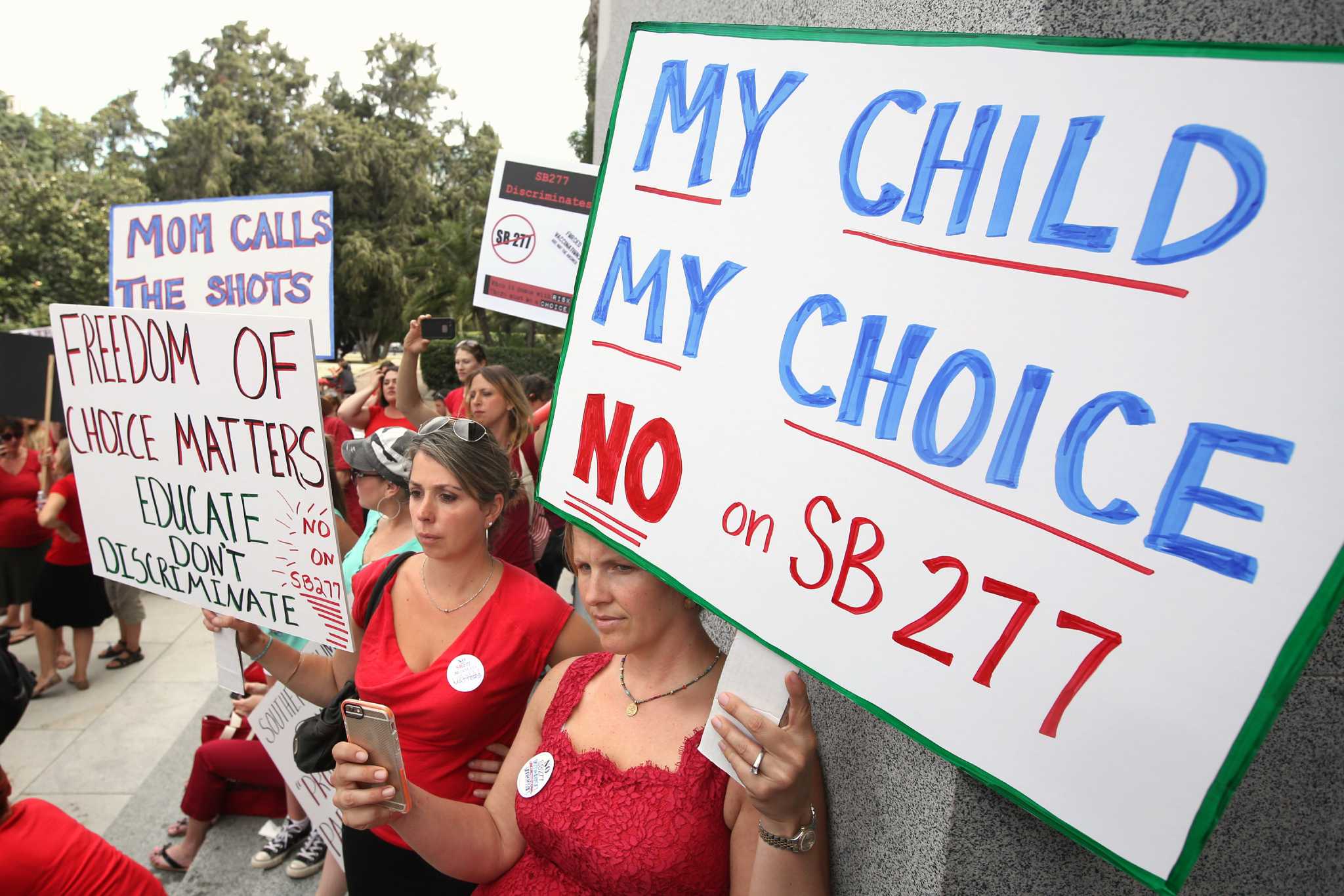
The war in California over nonmedical exemptions to school vaccine mandates, part 2
California has passed SB 277 into law. Beginning in the 2016-2017 school year, SB 277 will eliminate personal belief exemptions to school vaccine requirements. This will benefit the health of California schoolchildren, but the law is not perfect and already antivaxers are looking for loopholes.
This stimulant can kill, yet you can legally buy it online. Why?
If there’s one thing that unites all countries and cultures, it’s our love of caffeine. Whether it’s coffee, tea or other foods, caffeine is the most widely consumed drug in the world — more than alcohol, and more than tobacco: 90% of adults worldwide consume caffeine daily. At doses found in food and beverages, the effects are predictable and the side effects...
FDA & CDC find raw pet food unpalatable
The FDA recently announced it would send field staff out to collect samples of commercially-manufactured raw dog and cat food. The samples will be analyzed for Salmonella, Listeria monocytogenes and E. coli, all of which have been found in raw pet food, in the animals who eat it, in their feces, on their bodies after eating it, in the areas they inhabit,...
The war in California over nonmedical exemptions to school vaccine mandates
California is about to pass a law that would eliminate personal belief exemptions to school vaccine requirements. The antivaccine movement is losing its collective mind over it. Let's just say that Holocaust analogies are flying fast and furious.