

Category: Politics and Regulation
No Education? No Training? No License? No Problem!
When Daniel David Palmer, the inventor of chiropractic, and his acolytes first took up the practice of chiropractic, around the turn of the last century, they were jailed for the unlicensed practice of medicine. If history had left them there, we might not be fighting a continuing battle with the pseudoscience that is “alternative” medicine today. Unfortunately, the Kansas legislature intervened on...
What Do You Expect From Your Pharmacy?
What evidence standard should exist for health products sold in pharmacies? That’s today’s bleg, and I’m seeking your input. In most countries, pharmacy is a registered, self-regulated health profession, with a responsibility to optimize the use of drugs. Pharmacist education consists of several years of university-level education and practical training in real-world health care settings. Pharmacists with advanced degrees and post-graduate residencies...
Autism One: The yearly antivaccine autism “biomed” quackfest begins
In the world of the anti-vaccine underground, there is one time of the year that looms large. Over the last few years, this time has generally come right around the end of May, usually coinciding with the Memorial Day weekend and the unofficial beginning of the summer vacation season here in the U.S. I’m referring, of course, to Autism One, which blights...
Rx, OTC, BTC – Wading into Pharmacy’s Alphabet Soup
Imagine you’re an FDA reviewer looking at a new drug application. Drug A relieves a symptom, but doesn’t cure any disease. It doesn’t conflict with other medications. It’s considered safe in pregnant and breastfeeding women. At normal doses, there are virtually no side effects. There’s one unfortunate problem: If you take ten times the dose, liver damage is very likely and may...
The 2008-2009 Report of the President’s Cancer Panel: Mostly good, some bad, and a little ugly
Mark Crislip is always a hard act to follow, particularly when he’s firing on all cylinders, as he was last Friday. Although I can sometimes match him (and, on rare occasions, even surpass him) for amusing snark, this time around I’m going to remain mostly serious because that’s what the subject matter requires. I’ve said it before and I’ll say it again:...
Bogus Diagnostic Tests
A few years ago a friend asked me to comment on advice given to her adult daughter by a psychiatrist whom she’d consulted for depression. The psychiatrist had recommended testing samples of saliva and urine for hormone and neurotransmitter levels, the results of which would likely indicate a need for supplements to correct deficiencies or imbalances. According to the psychiatrist, who had...
Our Visit with NCCAM
Over the past two plus years of the existence of Science-Based Medicine (SBM) we have been highly critical of the National Center for Complementary and Alternative Medicine (NCCAM) – going so far as to call for it to be abolished. We are collectively concerned that the NCCAM primarily serves as a means for promoting unscientific medicine, and any useful research it funds...
My NCCAM Wish List
For a number of reasons, well-argued many times here on SBM, it would be beneficial to American citizens if the National Center for Complementary and Alternative Medicine (NCCAM) were abolished. This does not seem to be in the cards anytime soon. Here, then, are my suggestions for making the Center less dangerous and less of a marketing tool for pseudomedicine than it...
The 2nd Yale Research Symposium on Complementary and Integrative Medicine. Part I
March 4, 2010 Today I went to the one-day, 2nd Yale Research Symposium on Complementary and Integrative Medicine. Many of you will recall that the first version of this conference occurred in April, 2008. According to Yale’s Continuing Medical Education website, the first conference “featured presentations from experts in CAM/IM from Yale and other leading medical institutions and drew national and international...
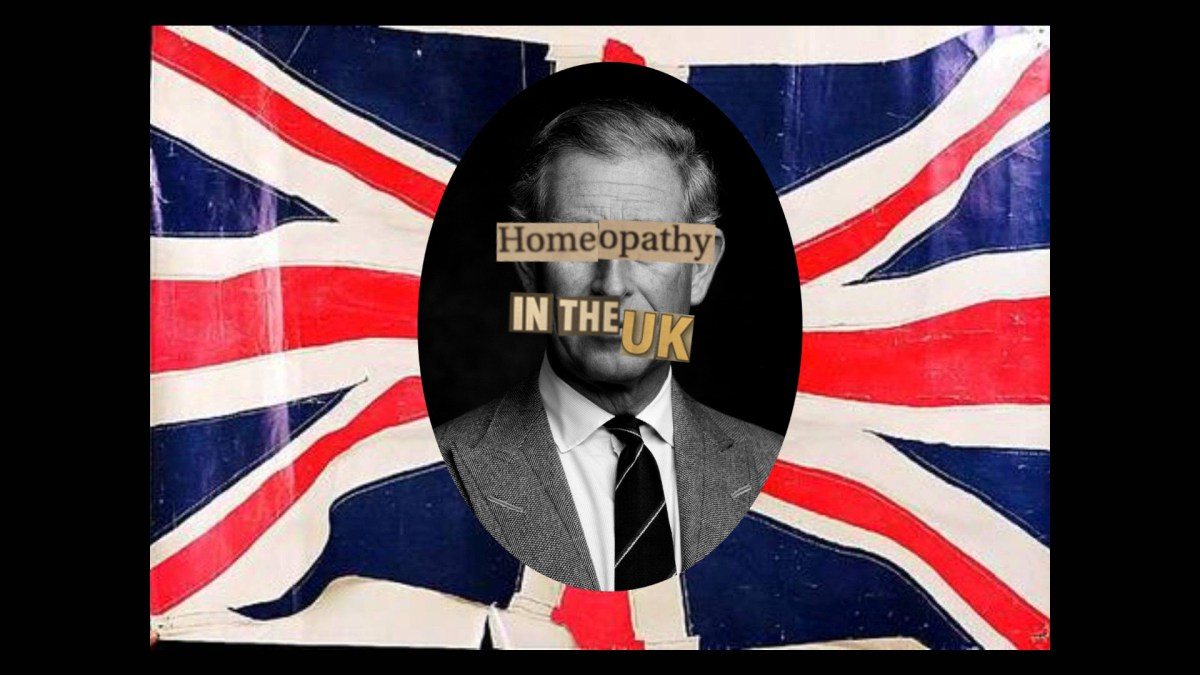
Homeopathy Gets a Reality Check in the UK
The House of Commons Science and Technology Committee (STC) has released a report, Evidence Check 2: Homeopathy, in which they recommend that the NHS stop funding homeopathy. The report is a rare commodity – a thoroughly science-based political document. The committee went beyond simply stating that homeopathy does not work, and revealed impressive insight into the ethical, practical, and scientific problems caused...