

Category: Politics and Regulation
Naturopathic organ repositioning coming soon to Pennsylvania?
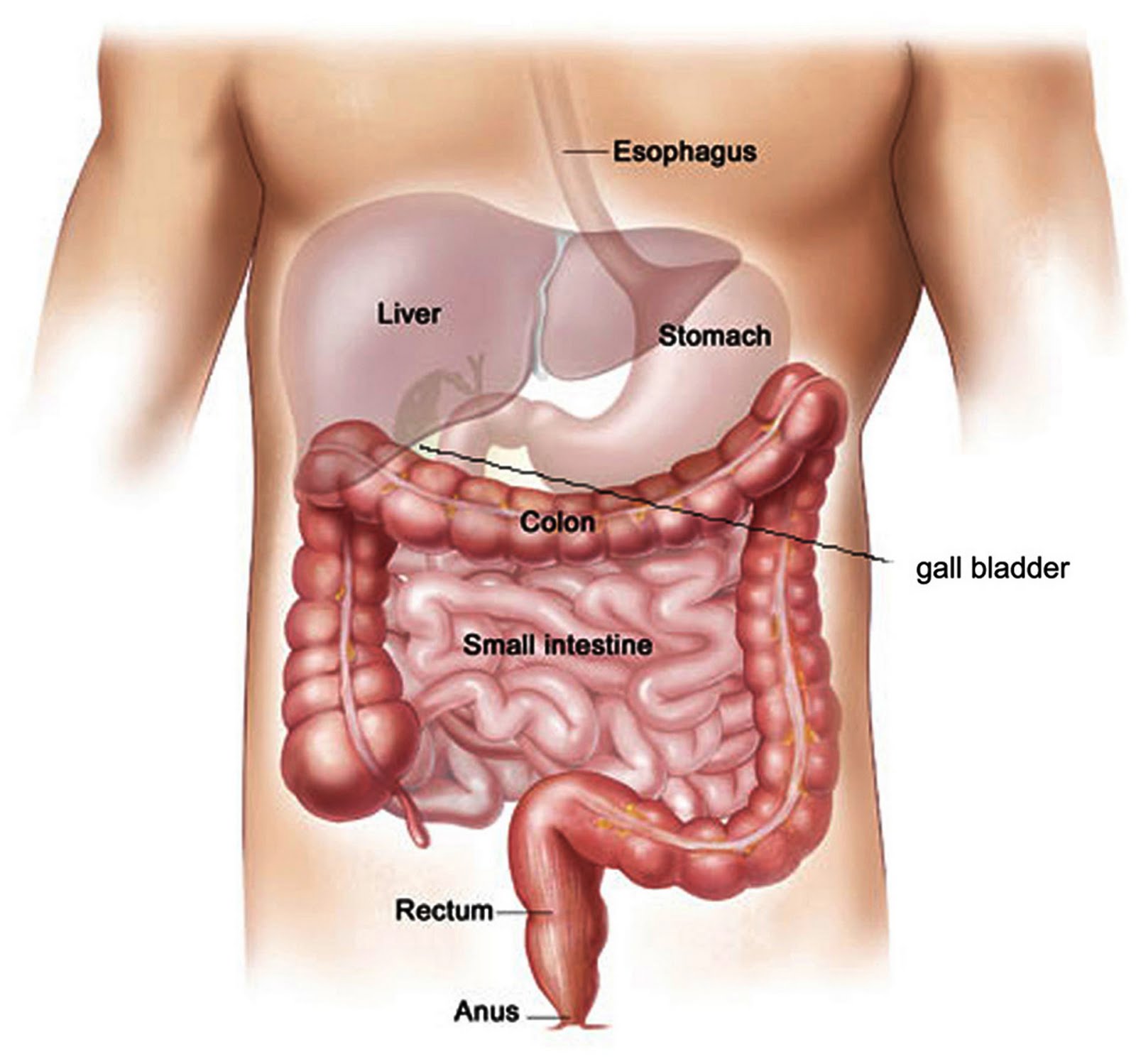
Pennsylvania legislators need to know only one thing about House Bill 612 (licensure of naturopathic “doctors”) to vote against it: As a means of “naturopathic musculoskeletal therapy” the bill would allow naturopaths to “reposition body tissues and organs.” This is impossible. You cannot “reposition” tissues and organs of the human body by external manipulation. Why does this tell us everything we need...
Progressive Mythology
In their book Science Left Behind: Feel-Good Fallacies and the Rise of the Anti-Scientific Left, Alex Berezow and Hank Campbell counter allegations of a Republican war on science by pointing out how political progressives are equally anti-science. According to Berezow and Campbell, progressives hold opinions that are not based on physical reality, and claim that their beliefs are based on science even when...
FDA v. Jack3d: Round 2
Jack3d is a dietary supplement manufactured by USPlabs and promoted by the giant supplement retailer GNC as producing “ultra-intense muscle-gorging strength, energy, power and endurance.” A key ingredient is DMAA, which the FDA doesn’t think is a proper dietary supplement ingredient at all and wants Jack3d and other products containing it removed from the shelves and the web. The FDA also questions its...
Enbrel for Stroke and Alzheimer’s
A recent article in the LA times tells of a husband’s quest to find a treatment for his wife’s Alzheimer’s disease. This is a narrative that journalists know and love—the brave patient or loved-one who won’t accept the nihilism of the medical establishment, who finds a maverick doctor willing to buck the system. The article itself at least was not gushing, it...
Undermining the regulation of stem cell therapies in Italy: A warning for the future?
Stem cells are magical. At least, if you listen to what docs and “practitioners” who run stem cell clinics in various parts of the world, usually where regulation is lax and money from First World clientele is much sought after, that’s what you could easily come to believe. Unfortunately, it’s not just Third World countries in which “stem cell clinics” have proliferated....
Dr. Who?
If the “Health Freedom” movement has its way, everyone in the United States will be able to practice medicine. It may be quack medicine but that doesn’t seem to bother them. Short of that, chiropractors, naturopaths and acupuncturists are aiming to reinvent themselves primary care providers and even physicians. As David Gorski pointed out, this will reduce medical doctors to just another iteration...
Politics of Public Research Funding
A great deal of science is funded by the US government. The total research funding for 2009 was 54.8 billion dollars (much more if you include all R&D). A breakdown by agency of total R&D shows that the NIH (National Institutes for Health) funding is 28.5 billion while the NSF (National Science Foundation) is 4.1 billion. There is general agreement that this expenditure is...

What’s in your supplement?
It could be the ingredients on the bottle. It could be drugs. It could be ground-up snails!
The Quack Full Employment Act
Quacks, charlatans and snake oil salesmen are closely watching “The Colorado Natural Health Consumer Protection Act,” Senate Bill 13-215 (SB 215) as it wends its way through the Colorado Legislature. I imagine a few felons about to be released from prison are keeping tabs on the bill too, for reasons we’ll get to in a minute. SB 215 passed the Senate on...
Homeopathic regulation diluted until no substance left
Homeopathy is quackery but it is perfectly legal to prescribe homeopathic products and to sell them directly to consumers in the United States as well as other supposedly civilized countries such as the United Kingdom and Germany. This makes as much sense as allowing the sale of batteries that don’t produce electricity. What makes this state of affairs even stranger is that...