

Category: Diagnostic tests & procedures
Mammography and the acute discomfort of change
As I write this, I am attending the 2014 meeting of the American Association for Cancer Research (AACR, Twitter hashtag #AACR14) in San Diego. Basically, it’s one of the largest meetings of basic and translational cancer researchers in the world. I try to go every year, and pretty much have succeeded since around 1998 or 1999. As an “old-timer” who’s attended at...
Autism prevalence: Now estimated to be one in 68, and the antivaccine movement goes wild
There used to be a time when I dreaded Autism Awareness Month, which begins tomorrow. The reason was simple. Several years ago to perhaps as recently as three years ago, I could always count on a flurry of stories about autism towards the end of March and the beginning of April about autism. That in and of itself isn’t bad. Sometimes the...
Point-of-Care Ultrasound: The Best Thing Since Stethoscopes?
A bit of good news for a change: a “Perspective” article in the New England Journal of Medicine describes how point-of-care ultrasound devices are being integrated into medical education. The wonders of modern medical technology are akin to science fiction. We don’t yet have a tricorder like “Bones” McCoy uses on Star Trek, but we are heading in that direction, and the...
The Canadian National Breast Screening Study ignites a new round in the mammography wars
The last couple of weeks, I’ve made allusions to the “Bat Signal” (or, as I called it, the “Cancer Signal,” although that’s a horrible name and I need to think of a better one). Basically, when the Bat Cancer Signal goes up (hey, I like that one better, but do bats get cancer?), it means that a study or story has hit...
An experiment in paying through the nose for “unnecessary care”
Rats. Harriet stole what was going to be the title of this post! This is going to be something completely different than what I usually write about. Well, maybe not completely different, but different from the vast majority of my posts. As Dr. Snyder noted on Friday, it’s easy to find new woo-filled claims or dangerous, evidence-lacking trends to write about. Heck,...
“Low T”: The triumph of marketing over science
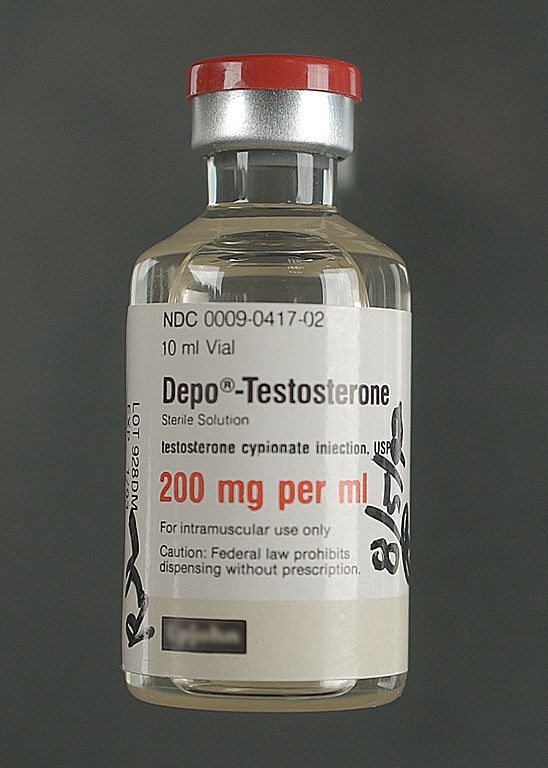
A man on TV is selling me a miracle cure that will keep me young forever. It’s called Androgel…for treating something called Low T, a pharmaceutical company–recognized condition affecting millions of men with low testosterone, previously known as getting older. —The Colbert Report, December 2012 And now for something completely different…sort of. After writing so much about the latest developments in...
Colonoscopy and Other Colorectal Cancer Screening Options: An Update
When I wrote about colonoscopy in 2010, colonoscopy was thought to be the best screening test for colorectal cancer because it could visualize the entire colon and could remove adenomas that were precursors of cancer. But only fecal occult blood testing (FOBT) and sigmoidoscopy had been proven to decrease colorectal cancer incidence and mortality (by 16% and 28%, respectively). Observational evidence suggested...

Redefining cancer
Blogging is a rather immediate endeavor. Over the last nine years (nearly), I’ve lost track of how many times I saw something that I wanted to blog about but by the time I got around to it, it was no longer topical. Usually what happens is that my Dug the Dog tendencies take over, as I’m distracted by yet another squirrel, although...
Baby’s DNA in Mom’s Blood: Noninvasive Prenatal Testing
Until recently, the moment of birth was a surprise. We anxiously awaited the obstetrician’s announcement: “It’s a boy!” or “It’s a girl!” Then we checked to see if any crucial parts were missing and we counted the fingers and toes. We had to wait for a baby to be born before we could know its sex and whether it was normal. Today,...
Does Everybody Have Chronic Lyme Disease? Does Anyone?
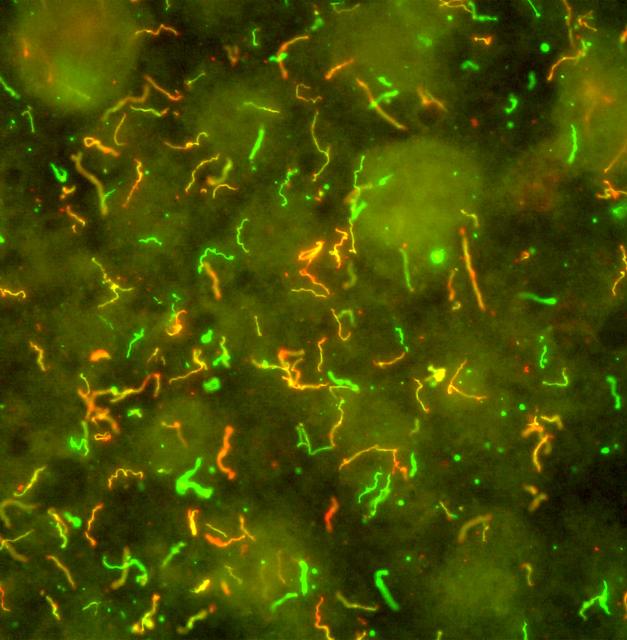
A deplorable article by Suzy Cohen on Huffington Post is titled “Feel Bad? It Could Be Lyme Unless Proven Otherwise.” It consists of irresponsible fear-mongering about a nonexistent disease. A science-based article would be titled “Feel Bad? It Couldn’t Be Chronic Lyme Disease Because CLD Is Nonexistent Until Proven Otherwise.” Cohen says: People often attribute uncomfortable symptoms to aging, stress, or the...