

Category: Clinical Trials
NCCAM on “integrative medicine”: What’s in a word?
I don’t know how I’ve missed this, given that it’s been in existence now for a month and a half, but I have. Regular readers (and even fairly recent readers, given that I write about this topic relatively frequently) know that I’m not a big fan of the National Center for Complementary and Alternative Medicine (NCCAM). (Come to think of it, neither...
POM: Not So Wonderful
“POM Wonderful” is a brand of pomegranate juice. It is manufactured by a company owned by Linda and Stewart Resnick, California billionaires who pretty much single-handedly created a multi-million dollar market for pomegranate juice where none existed before. Or, as LA Times columnist Michael Hilzik wrote, It has long been clear that the most wonderful thing about Pom Wonderful pomegranate juice is...
Plausibility bias? You say that as though that were a bad thing!
On Friday, you might have noticed that Mark Crislip hinted at a foreshadowing of a blog post to come. This is that blog post. He knew it was coming because when I saw the article that inspired it, I sent an e-mail to my fellow bloggers marking out my territory like a dog peeing on every tree or protecting my newfound topic...
Funding CAM Research
Paul Offit has published a thoughtful essay in the most recent Journal of the American Medical Association (JAMA) in which he argues against funding research into complementary and alternative therapies (CAM). Offit is a leading critic of the anti-vaccine movement and has written popular books discrediting many of their claims, such as disproved claim for a connection between some vaccines or ingredients...
The problem with preclinical research? Or: A former pharma exec discovers the nature of science
If there’s one thing about quacks, it’s that they are profoundly hostile to science. Actually, they have a seriously mixed up view of science in that they hate it because it doesn’t support what they believe. Yet at the same time they very much crave the imprimatur that science provides. When science tells them they are wrong, they therefore often try to...
Keeping the customer satisfied
These days patient satisfaction is becoming more and more important in judging how well hospitals and physicians are doing. Indeed, Medicare reimbursements are linked in part to a patient satisfaction survey administered by the government. The underlying assumption is that patient satisfaction correlates with high quality care, But is that true? I have my doubts. Indeed, there is evidence that, at best,...
The Application of Science
It all seemed so easy In 2010 an article was published in the New England Journal of Medicine, Preventing Surgical-Site Infections in Nasal Carriers of Staphylococcus aureus . Patients were screened for Staphylcoccus aureus ( including MRSA, methicillin resistant Staphylococcus aureus) and those that were positive underwent a 5 day perioperative decontamination procedure with chlorhexidine baths and an antibiotic, mupirocin, in the...
Does massage therapy decrease inflammation and stimulate mitochondrial growth? An intriguing study oversold
If there’s one form of so-called “complementary and alternative medicine” (CAM) that I find more tolerable than most, it’s massage therapy. The reason, of course, is that, whatever else anyone claims about massage, there’s no doubt that it feels good. Indeed, I’ve sort of come around to Kimball Atwood’s way of thinking. Back when he and I were on a panel together...
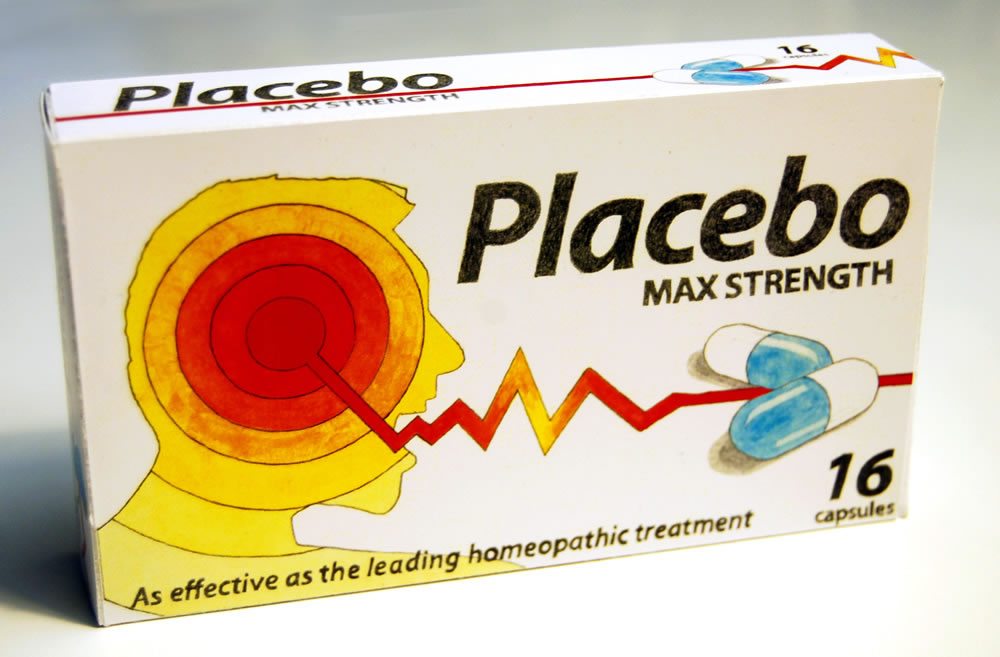
Does thinking make it so? CAM placebo fantasy versus scientific reality
Last week, I discussed a rather execrable study. Actually, the study itself wasn’t so execrable, at least not in its design, which was a fairly straightforward three-arm randomized clinical trial. Rather it was the interpretation of the study’s results that was execrable. In brief, the authors tested an “energy healing” modality known as “energy chelation” versus a placebo (sham “energy chelation”) and...
What is Science?
Consider these statements: …there is an evidence base for biofield therapies. (citing the Cochrane Review of Touch Therapies) The larger issue is what constitutes “pseudoscience” and what information is worthy of dissemination to the public. Should the data from our well conducted, rigorous, randomized controlled trial [of ‘biofield healing’] be dismissed because the mechanisms are unknown or because some scientists do not...