

Author

Privileged Antivaxxers
The Hollywood Reporter recently published what is mostly an exposé on privileged Hollywood parents who have elected to delay, limit, or avoid altogether immunizing their children. The most common headline coming out of this article is that some LA communities have vaccination rates at third-world levels, such as South Sudan. The issues raises many questions pertinent to the promotion of science-based medicine...
Autism Prevalence Unchanged in 20 Years
That there is an “autism epidemic” is taken as a given by those who feel autism has a dominant environmental cause. The Age of Autism blog, for example, bills itself as a, “Daily Web Newspaper of the Autism Epidemic.” The term “epidemic” also implies an environmental factor, such as an infection. The epidemiology of autism and autism spectrum disorder (ASD) has never...
CAM and Headaches
A recent editorial entitled “CAM in the Real World: You May Practice Evidence-Based Medicine, But Your Patients Don’t” published in Headache: The Journal of Head and Face Pain by Robert Cowan, a headache specialist, addresses the use of complementary and alternative medicine (CAM) in the treatment of headaches. Unfortunately he propagates many common misconceptions about CAM in the article. I do agree...
Bad Science Journals
It’s an excellent business model. The only real infrastructure you need is a website, and you can have a custom site made for $5-10 thousand. Then you just have the monthly bandwidth charges. The rest is just e-marketing, which can be done for free, or the cost of some e-mails lists. After that, the money just comes rolling in. The best part...
Vitamin K Refusal – The New Anti-Vax
A small but increasing number of parents are refusing vitamin K injections for their newborns, an intervention recommended since 1961. This is yet another example of the difference between a science-based and philosophy-based approach to medicine. Science has given us the tool of knowledge, and in medicine that knowledge can have very practical applications. The term “vitamin” was coined in 1912 by...
A Statement on Cervical Manipulation and Dissections
The American Heart Association and the American Stroke Association recently published in the journal Stroke a thorough analysis of the evidence for an association between cervical manipulative therapy (CMT) and both vertebral artery dissection (VAD) and internal carotid artery dissection (ICAD). The full article is online: “Cervical Arterial Dissections and Association With Cervical Manipulative Therapy: A Statement for Healthcare Professionals From the...
Left Brain – Right Brain Myth
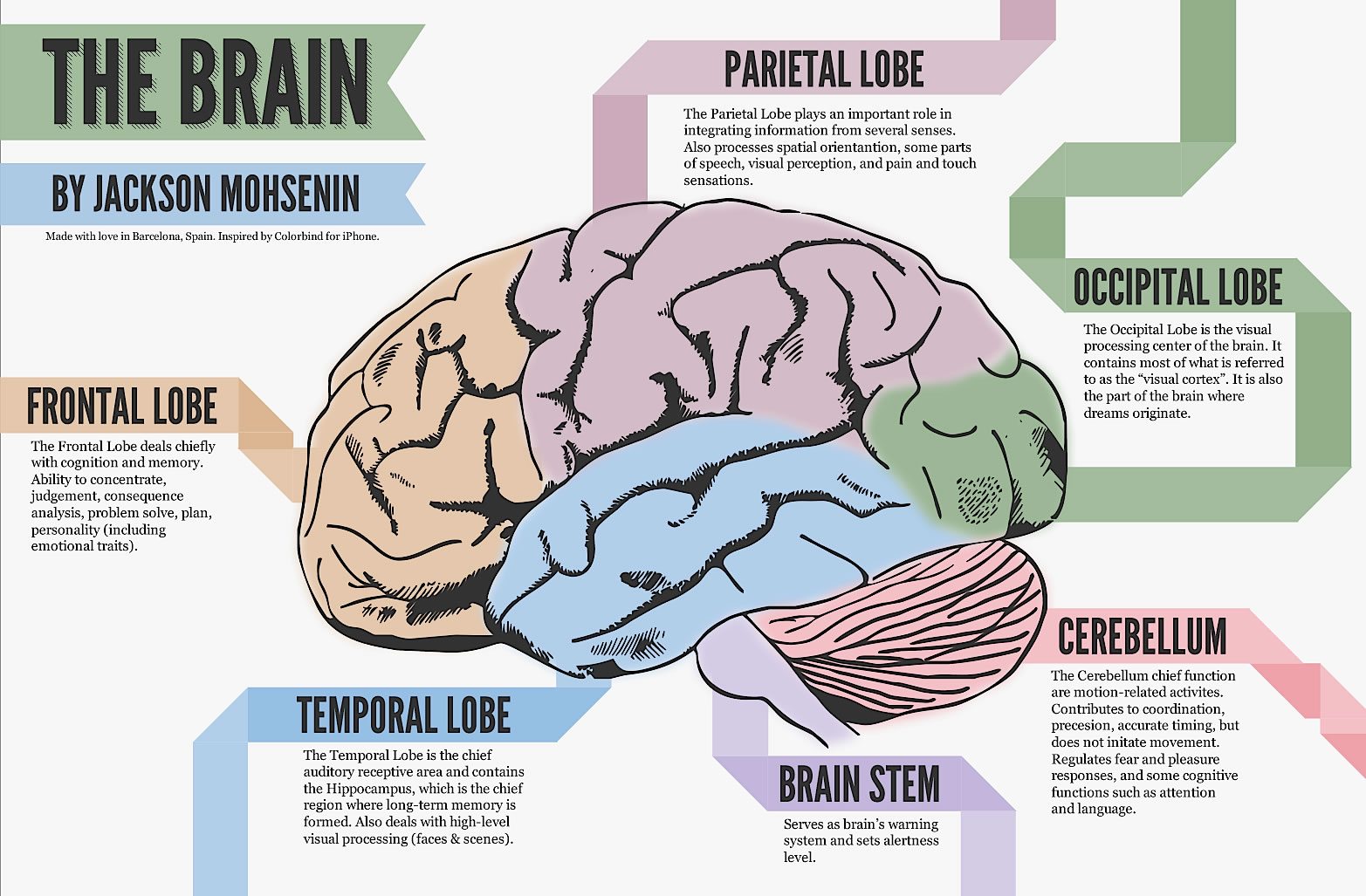
Years of analyzing popular but dubious claims leads to the impression that just about all knowledge that filters down to the popular consciousness is essentially wrong, at least as a first approximation. This may sound cynical, but think about any area in which you have specialized knowledge and compare that to what the average person believes about that area. Now extrapolate that...
Drinkable Sunscreen Snakeoil
In May, prompted by an uncritical article in the Daily Mail, the internet was buzzing about a company that was offering drinkable sunscreen. This is one of those game-changer health products that immediately garners a great deal of attention. At first the claim seems extraordinary, but it is not impossible. It is theoretically possible to drink a substance that becomes deposited in...
Another Lawsuit To Suppress Legitimate Criticism – This Time SBM
I suppose it was inevitable. In fact, I’m a bit surprised it took this long. SGU Productions, the Society for Science-based medicine, and I are being sued for an article that I wrote in May of 2013 on Science-Based Medicine. My SBM piece, which was inspired by an article in the LA Times, gave this summary: The story revolves around Dr. Edward...
Acupuncture for Menopausal Symptoms
A newly published meta-analysis of studies looking at acupuncture for symptoms resulting from natural menopause (not drug or surgically induced) by Chiu et. al. is entirely negative. That is not what the authors or the press release conclude, however. This disconnect between the study results and the interpretation of those results is a persistent problem in medicine generally to some degree, but...