


CEASE therapy for autism: Homeopathic quackery and “self regulation” by naturopathic boards
Naturopathy is quackery. If you doubt this, consider that you can't have naturopathy without homeopathy. What's even worse is when naturopaths subject autistic children to quackery like CEASE therapy. Expecting any naturopathic regulatory board to investigate quackery in naturopathy is the proverbial fox guarding the henhouse.
The very worst version of the sham known as “right-to-try” is poised to become law
"Right-to-try" laws are a cruel sham that purport to allow terminally ill patients access to promising experimental drugs. In reality, they strip away many protections and leave vulnerable patients on their own. After four years and a number of toothless state laws, a federal version of "right-to-try" is poised to become law. A version passed by the Senate could be voted on...

The Null hypothesis: Gary Null attacks science-based medicine
Over the last couple of weeks, one of the old men of quackery, Gary Null, has decided (yet again) that he really, really doesn't like science-based medicine. That includes Steve Novella, Susan Gerbic, and...me. As is his usual habit, Null teamed up with his producer Richard Gale and wrote some seriously off-base screeds against Wikipedia, skeptics, and science-based medicine, basically the forces...
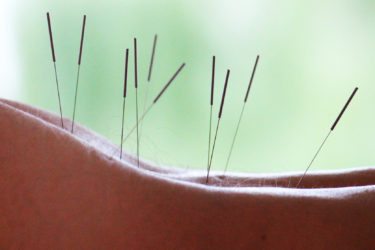
PLOS ONE, peer review, and a “crappy” acupuncture study
Meta-analyses can sometimes suffer from the "GIGO problem" (garbage in, garbage out). The publication of a "crappy" acupuncture "network meta-analysis" for acupuncture and chronic constipation illustrates the GIGO problem on steroids and reveals a problem with peer review.
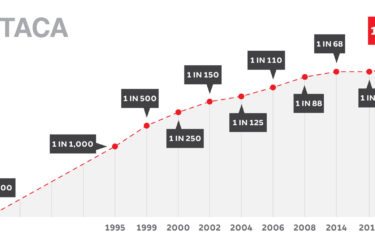
Autism prevalence increases to 1 in 59, and antivaxers lose it…yet again
Autism Awareness Month isn't as full of news stories about autism with false balance between science and antivaccine pseudoscience advocates as it was in years past. Every few years, though, when new autism prevalence figures are released, we can count on antivaxers losing it. 2018 is just such a year.
Homeopathy, rabid dogs, and naturopathic propaganda
Last week, a story of a bizarre homeopathic remedy used by a Canadian naturopath made the news. Today, American naturopaths are in Washington, DC lobbying for increased prescribing power, including for controlled substances. Lawmakers should be reminded of the quackery at the heart of naturopathy.
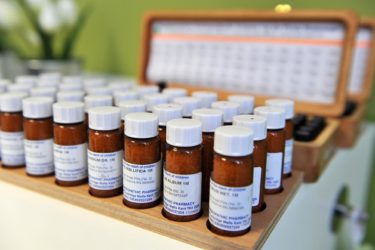
Homeopathy Awareness Week shows that homeopathy is still a problem
Homeopathy Awareness Week might be almost over, but The One Quackery To Rule Them All wastes resources and endangers patients year round, and a recent French criticism of homeopathy has provoked another case of legal thuggery by homeopaths.

Another pebble in the quackademic integrative avalanche
We've documented the infiltration of quackery into academic medicine through the "integration" of mystical and prescientific treatment modalities into medicine. Here, we look at a pebble in the quackademic avalanche. Is it too late for the pebbles to vote?

The Nation indulges in fear mongering about cell phones and cancer
An article published last week in the Nation likens wireless telephone companies to tobacco and fossil fuel episodes in their tactics of spreading fear, misinformation, and doubt regarding the science of cell phone radiation and health. To produce this narrative, the investigation's authors rely on unreliable sources and cherry pick scientific studies, ignoring the scientific consensus that cell phone radiation almost certainly...
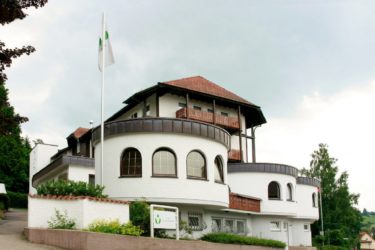
The deadly false hope of German alternative cancer clinics
We at SBM have written about German cancer clinics that offer a combination of cancer quackery, some real medicine, plus unproven experimental therapies, all at a high cost, both financially and in false hope. Finally, an exposé of these clinics has been published. What these clinics are doing is even worse than even we had feared.