


As depressing as it is to consider, this is part 9 of an ongoing series that I started not long after longtime antivax activist Robert F. Kennedy Jr. became President Donald Trump‘s US Secretary of Health and Human Services and formalized as a series last fall. I (sort of) took a break talking about RFK Jr.’s ongoing dismantling of US federal public health and vaccination programs, but events just keep happening, and over the last week some rather interesting developments occurred. First, last week started out with Federal judge Brian E. Murphy of the federal District Court of Massachusetts staying a January 5 HHS memo changing the childhood vaccination schedule, as well as the new membership of 13 members of the CDC Advisory Committee on Immunization Practices (ACIP). As you might recall, last June RFK Jr. in essence fired everyone on ACIP (announcing it in an editorial claiming to restore “trust” in vaccines). These were the committee members with real expertise, who were soon replaced with a collection of antivax cranks, quacks, and grifters, who lost no time in trying, despite their utter incompetence, to dismantle the entire CDC-recommended vaccine schedule. As law school professor and friend of the blog Dorit Reiss notes, Judge Murphy stayed—put on hold—all of this because, according to his analysis of the plaintiffs’ arguments, he concluded that the plaintiffs (the American Academy of Pediatrics) had a high likelihood of prevailing at trial. (I also like to note that I’m impressed with Judge Murphy’s quoting Carl Sagan’s The Demon-Haunted World in the first paragraph of his ruling.)
Of course, a stay can be reversed as the legal process grinds on, depending on how the case unfolds, but there is no doubt that this ruling is a huge blow to RFK Jr.’s efforts to eliminate access to vaccines in the US. As Dorit explains:
While the decision will likely be appealed, and even if not, this is not the end of the process, only a stay until litigation is completed; this is a blow to Kennedy’s agenda to reduce vaccine uptake. Among other things, the basis for the decision is the plaintiffs’ high likelihood of winning on the merits, so the judge examined their arguments and agreed with them that, essentially, the appointment of ACIP’s members and the January memo cannot, legally, stand.
Practically, too, the meaning of the decision is that the ACIP meeting due to happen on March 18-19, 2026, is canceled (people can still meet, of course, but it won’t be ACIP) and that the January memo and prior decisions by Kennedy’s ACIP are legally on hold, which could have a practical effect.
Basically, the American Academy of Pediatrics had filed a lawsuit against RFK Jr. last July, initially challenging the change to COVID-19 recommendations that removed the prior recommendation that healthy children and pregnant women receive the vaccine. Plaintiffs included more than the AAP; several other medical associations joined in, as did individuals alleging that changes in the schedule made access to vaccines more difficult.
Then, on January 5, as you might recall, RFK Jr. decided to “make America Denmark.” By that, I mean that he changed the US CDC-recommended childhood vaccine schedule to align with that of Denmark, not for any scientific reason that he could articulate but simply because, of all European Union nations, Denmark recommends the fewest childhood vaccines. Acting CDC Director Jim O’Neill revised the US childhood vaccine schedule to remove six vaccines, with Denmark’s vaccine schedule serving as the basis for the recommendations promulgated in a highly flawed memo by Tracy Beth Høeg and Martin Kulldorff comparing the US childhood vaccine schedule with that of other countries. As I described it at the time, in essence the administration outsourced our vaccine policy to Denmark because RFK Jr. wanted to eliminate as many vaccines as he could as quickly as possible. This decision made the US one of the outliers when it comes to vaccine policy, and as a result we can expect in the next few years to see resurgences of rotavirus, meningitis, influenza, and other vaccine-preventable diseases for which the vaccine was dropped from the US schedule. Seriously, Brazil, Mexico, Saudi Arabia, and Greece now recommend vaccinating against more diseases than the US does. In any event, the complaint was amended and finally extended to cover the revised ACIP and the January schedule change. At the time, Judge Murphy rejected the government’s motion to dismiss, ruling that the AAP and plaintiffs did have standing and had made enough compelling arguments for the case to proceed.
As you will see, these rulings have thrown RFK Jr. and his steamroller effort to eliminate all vaccines into chaos. However, as this week wound to a close, there was another blow, in which ProPublica published an investigation entitled How Robert F. Kennedy Jr.’s Vaccine Agenda Risks a Resurgence of Deadly Childhood Plagues, which is, of course, what we at SBM have been warning about for well over a year. Its bullet point reporting highlights were quite clear:
- Sowing Doubt, Risking Supply: Health Secretary Robert F. Kennedy Jr. is spreading doubts about the safety of vaccines and considering changes that could prompt manufacturers to flee the U.S. market.
- Plagues of the Past: History has shown how vaccine-preventable diseases can roar back when trust in shots or access to them has faltered.
- Dangers Abroad: As the U.S. pulls international aid, deadly and disabling diseases like diphtheria, rubella and polio continue to harm people overseas and can easily reach the U.S.
The article makes its point starkly, starting with an anecdote:
Dr. Adam Ratner hovered over a gravely ill infant in a New York City intensive care unit on a grim day in 2022. The 3-month-old girl spiked a fever two days earlier and had become lethargic. Soon she was having seizures and struggling to breathe.
She didn’t register Ratner’s towering frame or the bright hospital lights. Her eyes stared up and to the right, eerily frozen.
He ran his hand over the soft spot on her head, which should have been flat. Instead, it bulged, a sign that too much fluid was building up inside her skull.
The baby’s life was in danger, and Ratner needed to figure out why. He worried the culprit was bacterial meningitis, an infection of the membranes that protect the brain.
What came back on her lab tests was something out of the history books.
The infant’s meningitis was caused by invasive Haemophilus influenzae type b, or Hib, a type of bacteria that used to kill nearly 1,000 children a year in the U.S. A shot introduced in the late 1980s was so effective that Ratner, a veteran pediatric infectious disease doctor, was among the generations of physicians who had never seen a case. But the baby’s parents, Ratner learned, had chosen not to vaccinate her.
Disheartened, he told his colleagues, “This should be a never event.”
Indeed it shouldn’t be. Again, until the introduction of the vaccine against it in the late 1980s, Hib used to kill around 1,000 children a year, and it is a disease that kills children in a horrifying fashion. The vast majority of pediatricians in practice have never seen a case, because less than forty years ago a vaccine put a stop to the disease, making it so rare that few practicing pediatricians, aside from those nearing retirement, have treated a case. It’s a disease so severe that many children with it required intensive care and, even in an ICU, had a mortality rate of 3-6%, even when treated with modern antibiotics, with one third of the survivors suffering permanent neurologic damage. Then there’s Hib epiglottitis, pneumonia, as well as skin and joint infection leading to limb amputation. Again, it’s a horrible, horrible disease that affected 20,000 children a year before the vaccine, and Dr. Ratner is correct to worry that it’s coming back, as he treated two more Hib cases the following year, one of whom suffered severe neurological damage.
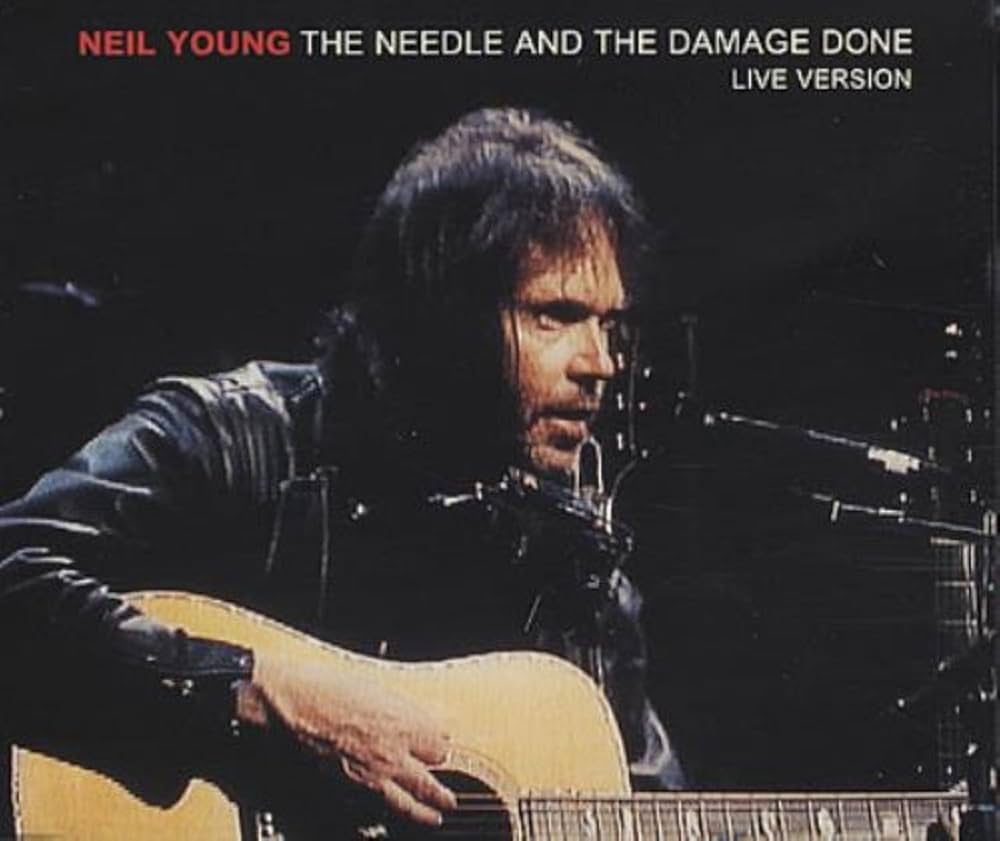
The (lack of the) needle and the damage done (so far)
Vaccine advocates like myself have been lamenting ever since RFK Jr. became HHS Secretary how his promoting the lack of the needle (safe and effective vaccines) is already causing damage, the most visible of which has been the resurgence of measles in the US, a resurgence that is, as outbreaks keep popping up like an insane game of viral Whac-A-Mole, threatening our longstanding measles elimination status. All of this is due to declining vaccination rates, thanks to the increasing distrust of vaccines, much of which was driven by RFK Jr., his “make America healthy again” (MAHA) movement, and a panoply of antivax orgs, cranks, quacks, and drifters, aided and abetted by algorithmic amplification of antivax misinformation on social media platforms.
In all of the previous posts in my series on how RFK Jr. is definitely coming for your vaccines, I have generally been unrelentingly pessimistic. In each of them, I warned how RFK Jr. would decrease or eliminate access to vaccines, sometimes predicting (all too accurately, unfortunately) what steps he would take next, and, in each of them, I was dismayed at how successful he has been in his antivax quest, the incompetence of his minions on ACIP and at the CDC notwithstanding. Sure, there has been pushback, and there have been attempts to stop or slow him down. However, this lawsuit and Judge Murphy’s ruling last week have represented the first time that resistance appears to thrown up a serious roadblock to RFK Jr.’s plans, and, hilariously, antivaxxers are losing it, particularly Dr. Robert “inventor of mRNA vaccines” Malone, who is, alas, a current member of ACIP who made a name for himself in the antivax world during the pandemic. His posts on X, the hellsite formerly known as Twitter, have lurched wildly back and forth, seemingly based on speculation and rumor more than any actual hard information, starting with:
Spoiler alert: There’s no evidence that ACIP Members got the same phone call, and even now it is not at all clear what RFK Jr. is going to do about this decision. Indeed, it didn’t take long before Malone was walking it back:
This was less than four hours after the first post, and this was less than six hours after the first post:
And, a little later Thursday night:
to make sure that federal advisory committees are neutral and
transparent.
Truly, this is the gang that couldn’t shoot straight. Meanwhile, antivaxxers were losing it over this decision. For instance, an attorney named Bobbie Anne Cox got really huffy about Judge Murphy having the temerity to judge the qualifications of the new members appointed to ACIP by RFK Jr. after he had fired all the old members:
In an even more stunning move, Murphy then personally analyzed the members of ACIP, one by one, naming them by name and decrying how unqualified they were! Read that again, folks. The judge critiqued each member of a panel that the HHS Secretary is permitted to appoint, and the judge decided that each person was not qualified to sit on said panel. Murphy put his God hat on and decided that although the ACIP appointees were indeed experts, some members of ACIP, “appear to lack any expertise or professional qualifications related to vaccines or immunization as required by ACIP’s Charter.” Of other ACIP appointees, Murphy declared, “though they have some experience arguably relevant to ACIP’s function, appear to lack the qualifications and experience to constitute expertise in vaccines and immunization.”
I must say, Judge Murphy was, if anything, too kind. Some samples from the footnotes of Judge Murphy’s ruling:
- “Dr. Milhoan ‘is a pediatric cardiologist and former U.S. Air Force flight surgeon, who “holds a Ph.D. in the mechanisms of myocardial inflammation.” ACIP Membership Roster, supra note 16. There is no evidence in the record that Dr. Milhoan has any relevant vaccine-related experience or expertise.”
- “Dr. Pagano ‘is a board-certified emergency medicine physician with more than 40 years of clinical experience.’ ACIP Membership Roster, supra note 16. There is no evidence in the record that Dr. Pagano has any relevant vaccine-related experience or expertise.”
- “Defendants describe Dr. Malone, an adjunct professor at Pennington Biomedical Research Center, Louisiana State University, as ‘a vaccinologist, scientist, and biochemist known for his early contributions to mRNA vaccine technology’ whose ‘expertise spans molecular biology, immunology, and vaccine development.’ ACIP Membership Roster, supra note 16. The only evidence in the record of his experience related to vaccines is that he was involved in early research on mRNA technology in the 1980s and 1990s. See id. Even crediting that experience, the Court cannot conclude that this experience, thirty plus years ago, constitutes the requisite expertise necessary for ACIP today. Further, the scope of his role in that research is disputed, see Davey Alba, The Latest Covid Misinformation Star Says He Invented the Vaccines, N.Y. Times (Apr. 3, 2022), https://www.nytimes.com/2022/04/03/technology/robert-malone-covid.html (cited at Compl. ¶ 77(h) n.59), which the Court need not resolve at this juncture.”
- “Defendants describe Dr. Levi, Professor of Operations Management at the MIT Sloan School of Management, as ‘a leading expert in healthcare analytics, supply chain and manufacturing analytics, risk management, and biologics and vaccine safety’ and note that he has ‘collaborated with industry stakeholders and public health agencies to develop decision-support models to evaluate biologics and vaccine safety’ and co-authored studies examining the association between mRNA COVID-19 vaccines and risks of cardiovascular disease, mortality, and adverse pregnancy outcomes.” ACIP Membership Roster, supra note 16. However, based on the current record, he has published only two papers discussing vaccines, and both of those were published mere months before his appointment. Retsef Levi, et al., Twelve-Month All-Cause Mortality after Initial COVID-19 Vaccination with Pfizer- BioNTech or mRNA-1273 among Adults Living in Florida, MedRxiv (Apr. 29, 2025), https://www.medrxiv.org/content/10.1101/2025.04.25.25326460v1 [https://perma.cc/NGN8-SARX] (cited at Compl. ¶ 77(g) n.53); Josh Guetzkow, et al., Observed-to-Expected Fetal Losses Following mRNA COVID-19 Vaccination in Early Pregnancy, MedRxiv (June 20, 2025), https://www.medrxiv.org/content/10.1101/2025.06.18.25329352v1.full- text [https://perma.cc/EKL3-ELMS] (cited at Compl. ¶ 77(g) n.53). Publishing two papers on a topic, while no doubt relevant to ACIP, likely does not rise to the level of “expertise” called for under ACIP governing documents. See Expertise, Black’s Law Dictionary (12th ed. 2024) (defining “expertise” as “[s]kill or knowledge in a particular subject; specialized experience that gives rise to a facility that comparatively few people possess”).”
That last one’s going to leave a mark. Just publishing a couple of papers on a preprint server does not an “expert” make, and Retsef Levi was always one of the most obviously unqualified new ACIP Members, an expert in operations management cosplaying a vaccine expert. Of course, as I like to say, while Robert “inventor of mRNA vaccines” Malone might have made contributions working out how to use lipid nanoparticles to deliver mRNA to cells and have that mRNA translated into protein, he made them in the late 1980s and early 1990s. Ironically, as I mentioned before, I was a graduate student in the early 1990s, and a graduate student in the same lab as I was contributed to showing how the direct injection of plasmid DNA could result in the muscle cells producing the protein coded for by the cDNA sequence in the plasmid, but he’s not claiming to have invented gene therapy. I do like Judge Murphy’s sly little diss at the end about how the court “need not resolve” the claims of whether Malone invented mRNA vaccines at this juncture. Who says judges don’t have a sense of humor?
Malone, amusingly, was most definitely not pleased:
Poor baby. Also, relying on Grok for an answer to anything important or nuanced is a big red flag that you are a fool. I’m not even sure I’d trust Grok to look up the weather forecast for my area. Nor is it a good idea to publicly attack a judge who will decide on litigation in which you have a stake. Meanwhile:
In any event, as described by Dorit Reiss and outlined in Fierce Pharma, Judge Murphy concluded not that RFK Jr. didn’t have the power to change ACIP, but rather that the plaintiffs had a strong argument likely to prevail at trial that he had gone about it in a manner that violated administrative law, while the changes in the pediatric vaccination schedule likely likely ran afoul of the US Administrative Procedure Act. You don’t need to know the details. Just know that, for now at least, this ruling has thrown up a major roadblock to RFK Jr.’s plans to dictate vaccine policy and to make changes in the vaccination schedule to suit his antivax whims, rather than through a procedure that is mandated by law.
Worse for RFK Jr., the unpopularity of his actions might be starting to drive a wedge between MAHA and the White House:
Earlier this month, the WSJ reported that the White House was clamping down on messaging and policies from HHS, including those around vaccines, ahead of midterm elections in the U.S. later this year. The purported decision to have aides in the Trump administration take a more active role in the department came after polling found that Kennedy’s various vaccine moves were unpopular, unnamed sources told WSJ.
The ostensible pushback from the White House seems to be sowing discord within Kennedy’s Make America Healthy Again circles as well, who are now pushing back on efforts by the administration to let vaccine issues rest, according to Stat News.
There is only one meme for this:

Obviously, litigation will continue. It’s possible that Judge Murphy’s decision might ultimately be reversed. It’s even possible that this case could go to the Supreme Court. For now, however, RFK Jr.’s use of ACIP serves as a front for him to change vaccine recommendations according to his antivax whims. This is good for running out the clock on the Trump administration and trying to minimize the damage RFK Jr. can do in the remaining less than three years.
The consequences, or: Is it already too late?
Given how widely it’s been reported, pretty much everyone who pays attention to the news should know that measles has made a huge comeback, with outbreaks all over the US. True, the index outbreak in west Texas, had begun before Donald Trump took office, but, as we’ve documented over the last 14 months since Trump assumed the Presidency again, HHS has been wildly ineffective at doing the very basics of public health, such as encouraging vaccination in the face of outbreaks of a highly transmissible infectious disease, in favor of minimizing how serious measles is, encouraging quack treatments, and only grudgingly saying that vaccination is effective in a “take it if you want to” sort of way.
Worse, what happens in the US with respect to vaccines doesn’t stay in the US, as ProPublica notes:
The threat to vaccine access reaches across the globe after Kennedy yanked the government’s $1.6 billion pledge to the aid group that provides shots for the world’s poorest children. For decades, the U.S. had funded such work not just as a humanitarian mission but as a way to keep Americans safe from unchecked contagions.
Kennedy’s efforts to reshape vaccine policies have been well chronicled, but ProPublica wanted to take a broader look at how the changes might affect Americans’ health in the years to come.
We found that long-forgotten plagues have roared back, killing and maiming children in parts of the world where access to vaccines or trust in them faltered. What seemed like subtle changes to a country’s vaccine policies had disastrous consequences years later.
Even in places that offer highly advanced health care, doctors have felt impotent trying to undo the damage when these horrors return. Modern medicine can’t reverse paralysis from polio. Surgeons can intervene when a baby is born blind, deaf and with heart defects after being exposed to rubella in the womb, but the child is still likely to face a life shaped by disability.
ProPublica reviewed hundreds of studies on vaccines and outbreaks of the diseases they prevent and interviewed more than three dozen people who have worked on U.S. immunization programs here and abroad, dating back to the days of smallpox. Some had never spoken publicly about their experiences.
They shared a pit-of-the-stomach dread that American children will end up fighting for their lives against infections that have long been preventable.
The rest of the article is a very informative description of how the US went from being a pioneer in controlling infectious diseases through vaccination going back to George Washington ordering his troops to be vaccinated against smallpox during the Revolutionary War to its current state, noting that for decades vaccination was so uncontroversial in this country that “McDonald’s restaurants in the 1990s put the childhood immunization schedule on their tray liners” (something I didn’t remember or didn’t know). Presidents and politicians of both parties promoted vaccination, and they even came together in the 1980s under President Ronald Reagan to pass the National Childhood Vaccine Injury Act of 1986, which created the Vaccine Injury Compensation Program and the current no-fault system that requires claims of vaccine injury to go through a special federal court now colloquially known as the Vaccine Court.
Perhaps the most disturbing section of the article is the description of how, when vaccination rates fall, diseases thought vanquished come roaring back. It happened in the Soviet Union with diphtheria in the 1990s after the government had eased up on requiring the vaccine and created “alternative immunization schedules with lower-dose diphtheria shots and fewer total injections, and they directed pediatricians to put off vaccination if a child had one of a long list of health issues.” As a result diphtheria vaccine uptake plummeted, leading to an epidemic in the early 1990s in which more than 157,000 people were infected and 5,000 died, mostly in Russia. The same sort of thing happened with rubella in Japan in the mid-1990s when it eased up on its vaccine requirements.
And:
Serious misgivings about vaccination in one part of the world can have far-reaching consequences. Twenty countries that thought their days of paralytic polio were behind them saw the dreaded disease return in the 2000s. The virus was traced to Nigeria, where religious and political leaders in some areas had boycotted polio immunization campaigns amid false rumors that the shots had been tainted to make Muslim girls infertile.
I cut my teeth writing about the antivaccine movement’s effects on polio immunization rates in Nigeria and in countries with large Muslim populations. As you might recall, polio roared back, leaving more than 2,500 children disabled and spreading as far as Indonesia.
The question is: Is it already too late to avoid the resurgence of, in addition to measles, diseases like rubella, diphtheria, and even polio? Once distrust in vaccines is fomented, once the emphasis of the government shifts from encouraging universal vaccination against such diseases to casting doubt on the safety and efficacy of those vaccines, history as narrated by ProPublica tells us that it can take years—or even decades—to reverse.
Don’t get me wrong. It’s a very good thing that Judge Murphy ruled against RFK Jr. and his dismantling and reconstitution of ACIP as an antivax propaganda voting machine. At the very least, this ruling will slow down his unrelenting drive to eliminate vaccines. It’s also a very good thing that public opinion seems to be turning sufficiently negative on RFK Jr.’s antivax crusade that even the White House is telling him to cool it with the antivax rhetoric and actions, at least until after the midterms. The White House even seems to be considering a provaccine candidate for the currently open post of CDC Director:
He even cautioned against following Florida in rolling back school vaccine mandates! True, he has been criticized for promoting the “lost cause” myth about the Confederacy back in the 1990s, but, as much as I detest it, a pro-Confederacy pro-vaccine doctor might be the best we can expect from this administration, and he is only one of the candidates. (Dr. Joseph Marine, who’s been featured here on SBM for his obsequious pro-MAHA takes, is another.)
Make no mistake, however. RFK Jr. is not giving up. He knows that this is his one, best chance to eliminate as many vaccines as he can, and, as this series has documented, there are still other strategies that he can use to accomplish his goals. At this point, the best that we might be able to hope for is to slow down RFK Jr.’s progress in his quest to eliminate vaccines, thus running out the clock on the Trump administration with as little damage as possible. Unfortunately, when it comes to public health, that damage is already substantial and will only grow worse until January 2029.