

Tag: clinical trials
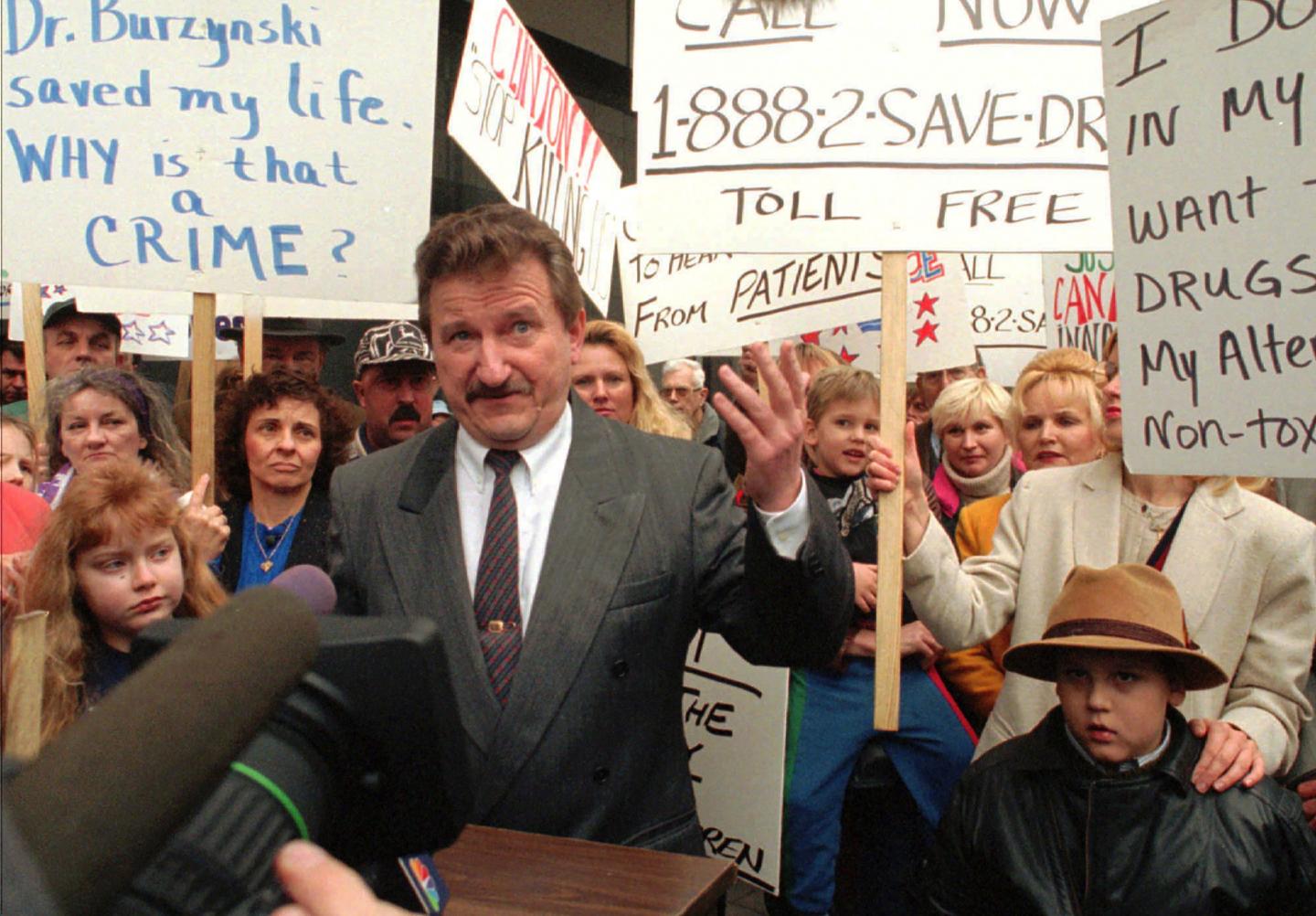
Stanislaw Burzynski: Using 1990s techniques to battle the FDA today
In the 1990s, cancer quack Dr. Stanislaw Burzynski and his lawyer Richard Jaffe perfected a PR strategy in which patients who believed that Burzynski had saved their lives would protest and, often aided by friendly legislators, beg the FDA (or whatever regulatory body was trying to stop Burzynski's abuses at the time) not to let them die. It was very effective political...
The Skeptics for the Protection of Cancer Patients need your help
We at SBM don’t normally ask our readers for much, if anything, other than to read and for the subset of you who like to be active in the comments to have at it. However, given the story of Stanislaw Burzysnki, which I’ve been covering with frequent blog posts for over two years now, how could I not listen to the appeal...
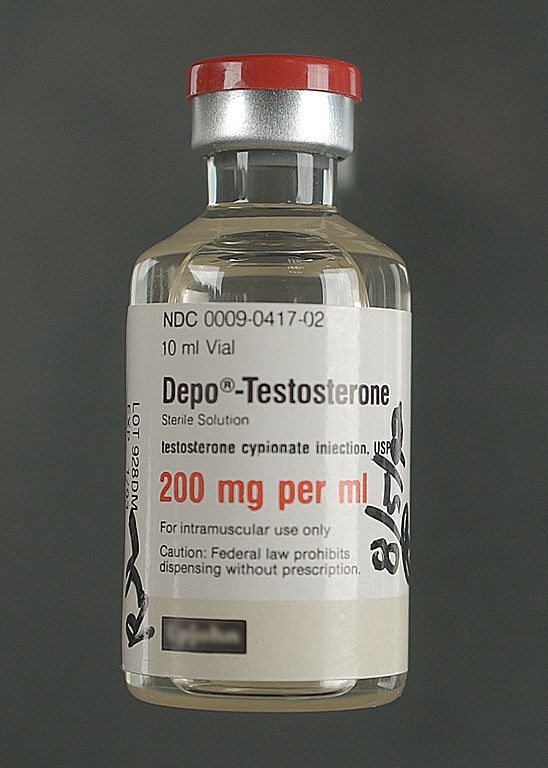
“Low T”: The triumph of marketing over science
A man on TV is selling me a miracle cure that will keep me young forever. It’s called Androgel…for treating something called Low T, a pharmaceutical company–recognized condition affecting millions of men with low testosterone, previously known as getting older. —The Colbert Report, December 2012 And now for something completely different…sort of. After writing so much about the latest developments in...
The Burzynski Empire strikes back
You might have noticed that I was very pleased last Friday, very pleased indeed. Given the normal subject matter of this blog, in which we face a seemingly-unrelenting infiltration of pseudoscience and quackery into even the most hallowed halls of academic medicine, against which we seem to be fighting a mostly losing battle, having an opportunity to see such an excellent deconstruction...
Revealed by the FDA: The results of the most recent inspection of the Burzynski Clinic
The results of the latest FDA inspection of the Burzynski Clinic are in. They aren't pretty. Why is this cancer quack still allowed to do his bogus clinical trials?

The difference between science-based medicine and CAM
There is a huge difference between science-based medicine (SBM) and so-called "complementary and alternative medicine" (CAM) or, as it's increasingly called, "integrative medicine." That difference is that SBM changes with new science. The change might be messier and slower than we would like, but eventually science and evidence win out.
Do clinical trials work? It depends on what you mean by “work”
Introduction (Skip to the next section if you want to miss the self-referential blather about TAM.) As I write this, I’m winging my way home from TAM, crammed uncomfortably—very uncomfortably—in a window seat in steerage—I mean, coach). I had been thinking of just rerunning a post and having done with it, sleeping the flight away, to arrive tanned, rested, and ready to...
BBC Panorama investigates Stanislaw Burzynski
Last week, I reviewed a long-expected (and, to some extent, long-dreaded) documentary by Eric Merola, a filmmaker whose talent is inversely proportional to his yen for conspiracy, pseudoscience, and quackery. Through a quirk of fate that couldn’t have worked out better if I had planned it myself, a long-expected investigation of the Burzynski Clinic by the BBC aired on its venerable news...
Stanislaw Burzynski: A deceptive propaganda movie versus an upcoming news report
Well, I’ve finally seen it, and it was even worse than I had feared. After having heard of Eric Merola’s plan to make a sequel to his 2010 propaganda “documentary” about Stanislaw Burzynski, Burzynski The Movie: Cancer Is Serious Business, which I labeled a bad movie, bad medicine, and bad PR, I’ve finally actually seen the finished product, such as it is....

The deceptive rebranding of aspects of science-based medicine as “alternative” by naturopaths continues apace
That naturopathy is a veritable cornucopia of quackery mixed with the odd sensible, science-based suggestion here and there is not in doubt, at least not to supporters of science-based medicine (SBM). However, what naturopaths are very good at doing is representing their pseudoscience as somehow being scientific and thus on par with conventional SBM. So how do they accomplish this? Certainly, it’s...