

Author

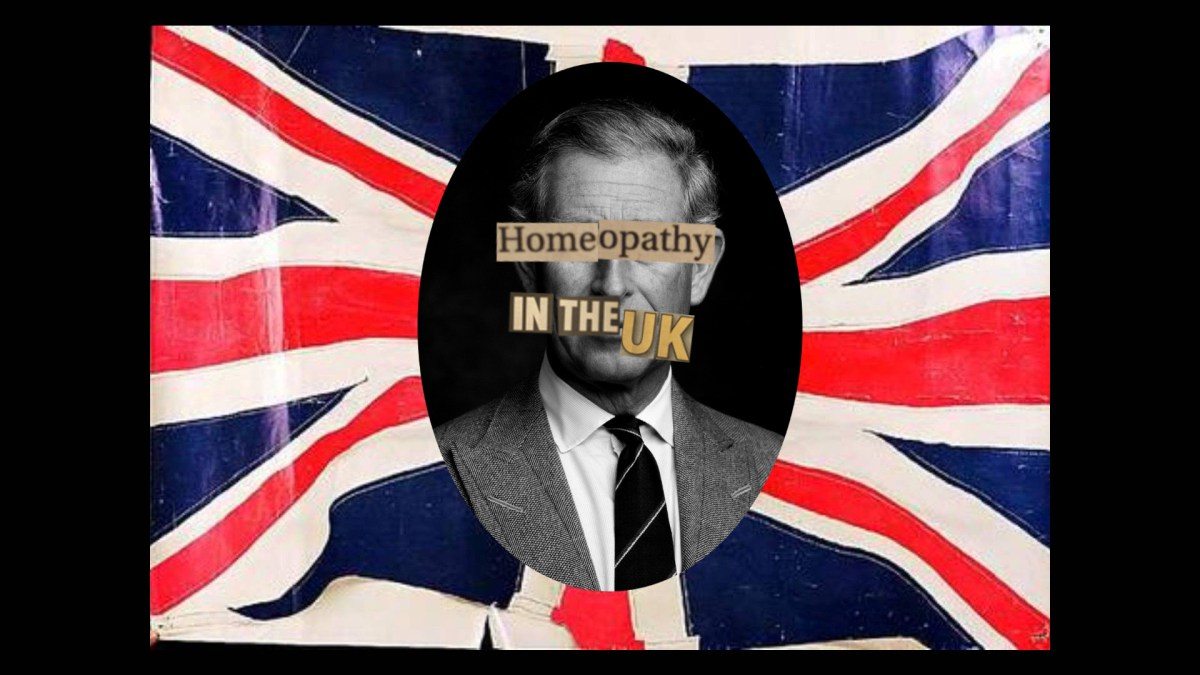
Homeopathy Gets a Reality Check in the UK
The House of Commons Science and Technology Committee (STC) has released a report, Evidence Check 2: Homeopathy, in which they recommend that the NHS stop funding homeopathy. The report is a rare commodity – a thoroughly science-based political document. The committee went beyond simply stating that homeopathy does not work, and revealed impressive insight into the ethical, practical, and scientific problems caused...
Autism Onset and the Vaccine Schedule – Revisited
This week on Science-Based Medicine I wrote an article about a new study looking at the onset of autism symptoms, showing that most children who will later be diagnosed with autism will show clear signs of autism at 12 months of age, but not 6 months. This is an interesting study that sheds light on the natural course of autism. I also...
The Early Course of Autism
Understanding the natural history of a disease is an important framework to have. It not only is critical for prognosis, but also informs us about diagnostic and screening strategies, is important to assessing interventions, and provides clues to causation. There has been much debate about the early course of autism, specifically the earliest age at which autism may be detected. At present...
Checklists and Culture in Medicine
Surgeon and journalist, Atul Gawande, is getting quite a bit of deserved press and blog attention for his new book, The Checklist Manifesto: How to Get Things Right. The premise of his book is simple – checklists are an effective way to reduce error. But behind that simple message are some powerful ideas with significant implications for the culture of medicine. One...
The Lancet retracts Andrew Wakefield’s article
In 1998 Andrew Wakefield and 11 other co-authors published a study with the unremarkable title: Ileal-lymphoid-nodular hyperplasia, non-specific colitis, and pervasive developmental disorder in children. Such a title would hardly grab a science journalist’s attention, but the small study sparked widespread hysteria about a possible connection between the mumps-measles-rubella (MMR) vaccine and autism spectrum disorder (ASD). The study itself has not stood...
Evolution in Medicine
A recent series of article in the Proceedings of the National Academy of Sciences (PNAS) discusses the role of evolutionary biology in modern medicine. The authors collectively make a forceful point – medicine is an applied science. It is based upon a number of basic sciences, and one of those basic sciences is evolution. The most obvious example is bacterial antibiotic resistance....
e-Cigarette Safety
Ever since news of the harmful effects of tobacco smoke hit the public consciousess around the middle of the 20th century the tobacco industry and others have been looking for a “healthy” alternative. Are e-cigarettes just latest in a list of failed attempts to make smoking safe? In case you are a new visitor to our planet (welcome) using tobacco products has...
The War on Salt
The problem with the Western diet is not one of deficiency, but one of excess. We get too much of a good thing – too many calories, too much of the wrong kind of fat, and too much salt. As a result obesity, diabetes, and hypertension are growing health problems. There also does not appear to be an easy solution – voluntary...
Acupuncture for Hot Flashes
In the most recent issue of The Journal of clinical Oncology is a study comparing acupuncture to Effexor in the treatment of vasomotor symptoms (hot flashes) in women with breast cancer who cannot take hormone replacement therapy. The study found that the two treatments are equivalent, with longer duration and fewer side effects from acupuncture. However, the study is designed as a...
Ginkgo biloba – No Effect
Another one bites the dust. The National Center for Complementary and Alternative Medicine (NCCAM) is generally a waste of taxpayer money, but they have sponsored several well-designed large trials of popular herbal supplements. And one by one these studies have shown these popular products, such as echinacea for the common cold, to be ineffective. To add to the list, published in JAMA...