

Author
Anti-Smoking Laws – The Proof of the Pudding
One consistent theme of SBM is that the application of science to medicine is not easy. We are often dealing with a complex set of conflicting information about a complex system that is difficult to predict. That is precisely why we need to take a thorough and rigorous approach to information in order to make reliable decisions. The same is true when...
Pyroluria and Orthomolecular Psychiatry
I have previously written about psychomotor patterning – an alleged treatment for developmental delay that was developed in the 1960s. The idea has its roots in the notion of ontogeny recapitulates phylogeny, that as we develop we progress through evolutionary stages. This idea, now largely discredited, was extended to the hypothesis that in children who are developmentally delayed their neurological development could...
Social Anxiety – There’s An App for That?
When I first heard about studies using smartphones to treat anxiety with cognitive therapy I was intrigued, to say the least. However, I had a misconception about what that actually meant. My assumption was that the smartphone app would be automating some basic cognitive therapy, a virtual therapist that could give some reflective feedback and also give basic cognitive tools to deal...
Bravewell Puts Integrative Cart Before Science Horse
The Bravewell Collabortive is a private organization whose stated mission is to, “accelerate the adoption of integrative medicine within the health care system.” They are well-funded, and they have successfully used their money to advance their mission. They also now appear to be an effective propaganda machine, producing what they are calling a “landmark report” on the use of integrative medicine in...
Teaching Pseudoscience In Universities
The debate about teaching so-called complementary and alternative medicine (CAM) in universities and medical schools rages on. Attention has turned recently to Australia, where the infiltration of CAM into universities is a growing problem. A new group has formed called the Friends of Science in Medicine to advocate for maintaining high standards of science in medical academia. They have been successful in...
Mass Media Attention Psychogenic Syndrome – MMAPS
By now you have probably heard of the middle and high school children in LeRoy, NY who have come down with what some reports are calling a “mystery” illness. Of course it is almost obligatory to note in such stories that doctors or experts are “baffled.” There are several features of this story that are interesting from a science-based medicine and also...
What Is Traditional Chinese Medicine?
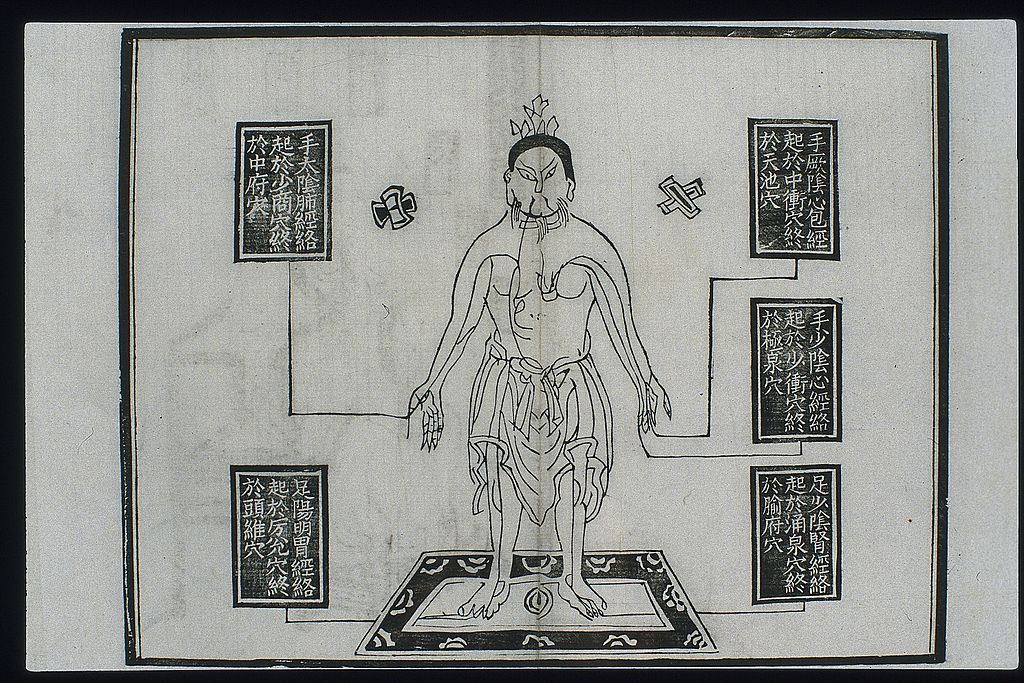
Traditional Chinese Medicine is not actual medicine, and should not be treated as such. It has more in common with Galen's theory of the four humors than anything a doctor would recognize today.
Aspirin Risks and Benefits
A new review published in The BMJ once again opens the question of the risks vs benefits of daily aspirin as a prevention for heart attacks and strokes. The reviewers looked at nine randomized trials involving over 100,000 patients and found that aspirin is effective in reducing heart attacks and strokes, but also increases the risk of gastrointestinal bleeding and that in...
Tonsillectomy Indications and Complications
Tonsillectomy remains a common surgical procedure with over half a million cases in the US per year, the most common surgical procedure in children. The indications and effects of tonsillectomy remain a matter of research and debate, as is appropriate. It is also a subject of popular misinformation and alarmism. A recent article by Seth Roberts raises many of the issues with...
The Cancer Cure Anecdote
Dr. Ian Gawler, a veterinarian, suffered from osteogenic sarcoma (a form of bone cancer) of the right leg when he was 24 in 1975. Treatment of the cancer required amputation of the right leg. After completing treatment he was found to have lumps in his groin. His oncologist at the time was confident this was local spread from the original cancer, which...