


Anti-inflammatory drugs and heart attacks: How real are the risks?
A new study provides more evidence that anti-inflammatory drugs like naproxen and ibuprofen cause small but real increases in the risk of heart attacks.

The Medical Medium’s Thyroid Pseudoscience
Anthony William calls himself a "Medical Medium". He has no medical expertise, but he provides medical advice based on claimed communication with the spirit world. What could possibly go wrong?
Overtreating the thyroid
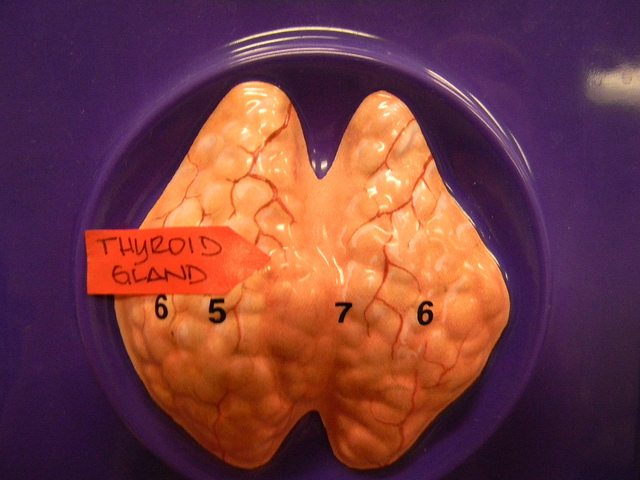
For decades there's been debate about whether thyroid medication is necessary for a mild form of thyroid dysfunction. A new trial helps answer that question.
Ignorance is Strength?
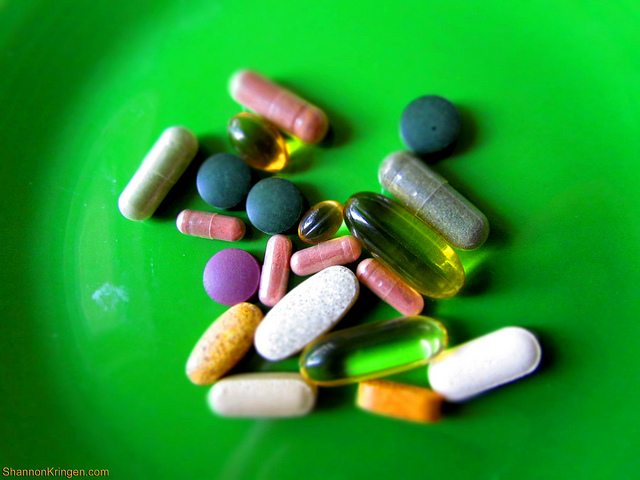
Findings from a recent consultation suggest that consumers don't want health claims to be supported by evidence. Do consumers really prefer ignorance over evidence? Or is this the product of a industry campaign to derail new, science-based regulations?

The floor is yours
Open thread for topic suggestions, and anything else SBM-related.

Anti-Vaccine Chiropractors Threaten Public Health
The Canadian Broadcasting Corporation (CBC)'s investigation of Manitoba chiropractors reveals widespread antivaccine sentiment. These statement are at odds with medical facts, and critics are questioning why chiropractic remains publicly funded.

Melatonin: What’s on the label isn’t in the bottle
Melatonin is taken by millions each year. But does it work? Is it safe? And can you trust the label?

Bring on the Evidence: A new regulatory approach to CAM
Complementary and alternative medicine is popular, but it's poorly regulated, and most products lack good evidence of efficacy. A new approach proposed in Australia may help consumers make more informed, science-based health decisions.
Do anti-inflammatory drugs effectively treat spinal pain?
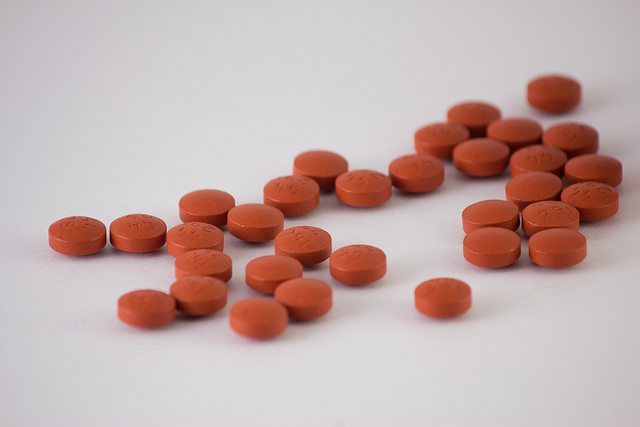
While anti-inflammatory drugs are commonly used to treat back pain, a new review suggests that they may not provide meaningful benefits to most people.
How accurately do physicians estimate risk and benefit?
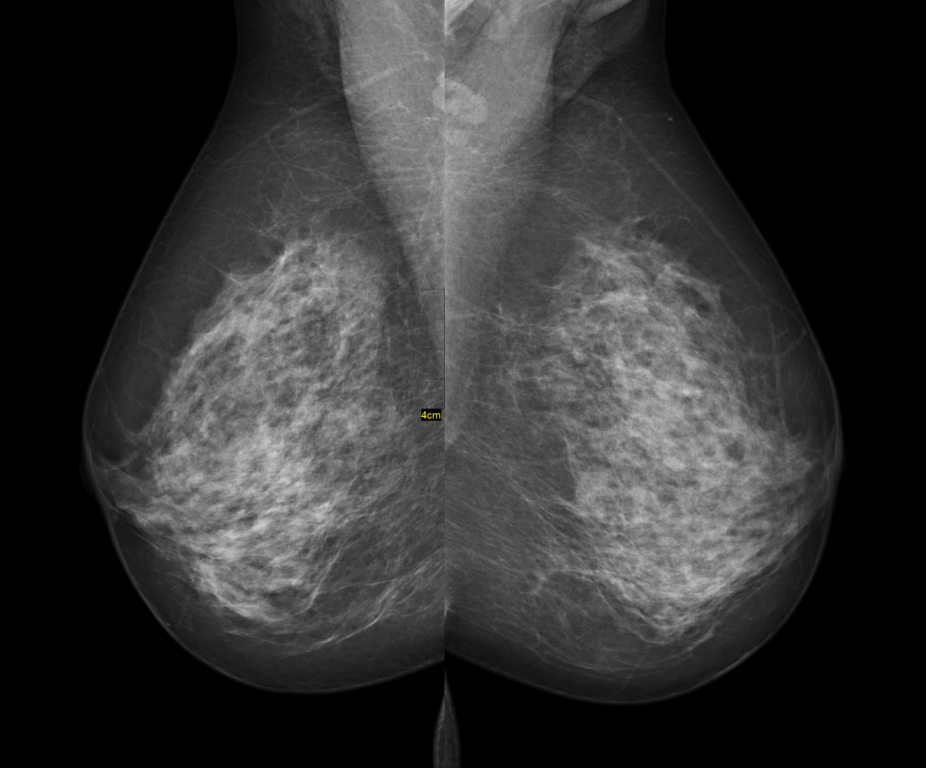
A new study suggests that physicians tend to overestimate the benefits of treatments, tests, and screening tests, while also underestimating harms.