

Doing Eric Merola a favor…
Believe it or not, I’m going to do Eric Merola (who doesn’t particularly like me, to the point of thinking, apparently, that I’m a white supremacist who doesn’t like evidence but does like to eat puppies) a favor. Having been away at TAM and otherwise occupied hanging out with fellow skeptics and, more stressfully, getting ready to give a talk in front...
Do clinical trials work? It depends on what you mean by “work”
Introduction (Skip to the next section if you want to miss the self-referential blather about TAM.) As I write this, I’m winging my way home from TAM, crammed uncomfortably—very uncomfortably—in a window seat in steerage—I mean, coach). I had been thinking of just rerunning a post and having done with it, sleeping the flight away, to arrive tanned, rested, and ready to...
A Trilogy of (Acupuncture) Terror
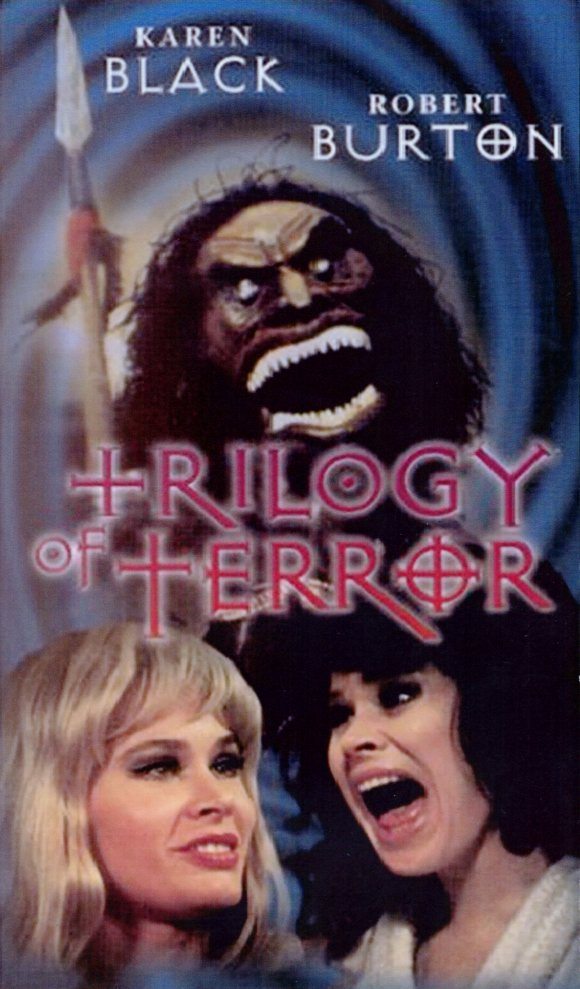
TAM is fast approaching, and I’ve been frantically trying to get my talks together. The theme this year is “Fighting the Fakers,” and one of my talks will be for the Science-Based Medicine Workshop on Thursday, in which I will attempt in a mere 15 minutes to explain what Science-Based Medicine is and how it can be used to combat the infiltration...
Expectations versus reality in science-based oncology
Well, the latest round of grant applications and pre-applications is finally over, which gave me time this weekend to peruse the stack of journals that’s been accumulating on my desk. Oddly enough, despite my being about as plugged in as you can be at my age, I’m still old-fashioned enough to enjoy the physical sensation and the overall experience of picking up...
On humility, confidence, and science-based surgery
Every so often, the reality of trying to maintain a career in science-based medicine interferes with the fun that is writing for this blog. Basically, what happened is that I spent the entire weekend working on three different grant applications and, by the time Sunday night rolled around, I was too exhausted to write what I had originally planned on writing. Fortunately,...
“Sense and nonsense” about alternative medicine in USA Today
Sometimes, between blogging, a demanding day (and night) job doing surgery and science, and everything else, I embarrass myself. Sure, sometimes I embarrass myself by saying something that, in retrospect, I wish I hadn’t. More often, I embarrass myself by letting things slide that I shouldn’t. For instance, when friends send me a prepublication copy of their books, I should damned well...
More bad science in the service of anti-GMO activism
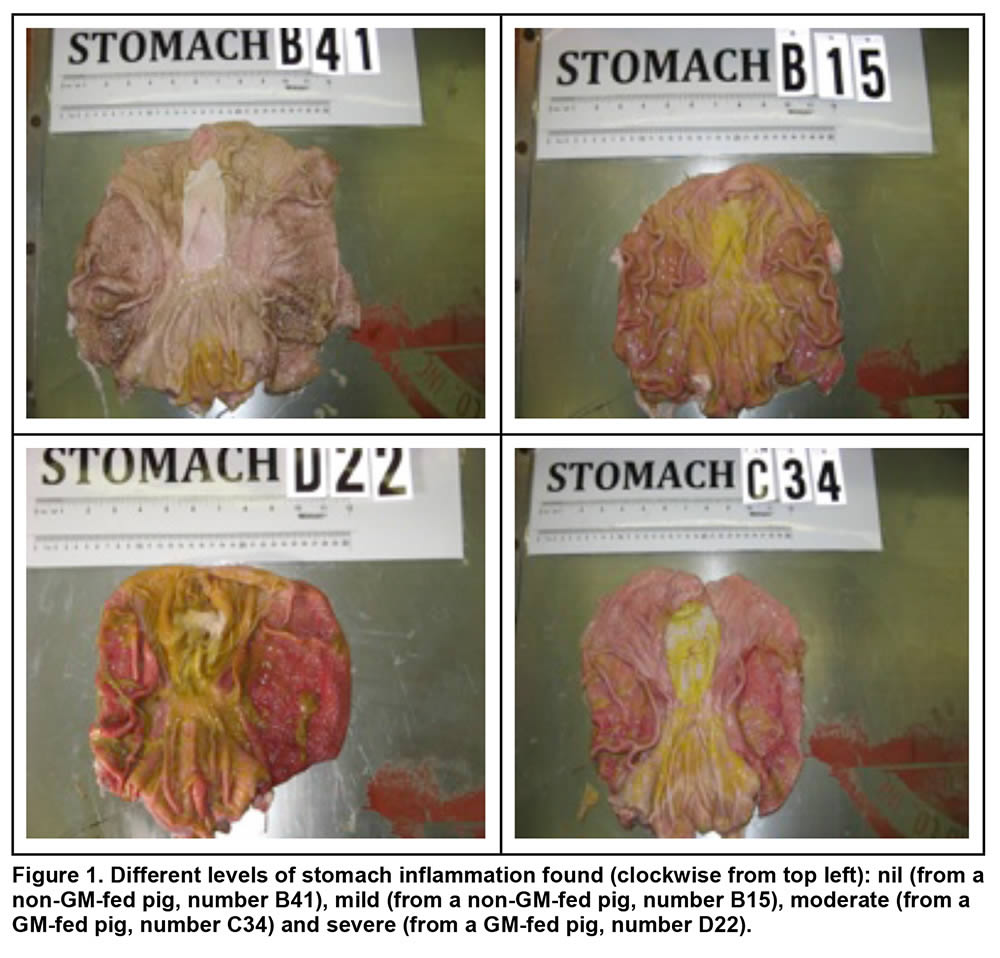
I never used to write much about genetically modified organisms (GMOs) before. I still don’t do it that often. For whatever reason, it just hasn’t been on my radar very much. That seems to be changing, however. It’s not because I went seeking this issue out (although I must admit that I first became interested in genetic engineering when I was in...
The murder of autistic teen Alex Spourdalakis by his mother and caregiver: What happened?
Editor’s note: This is an extra “bonus” post. Basically, it’s a revised version of a post I did at my not-so-super-secret-other-blog last week. The issue, however, has disturbed me so much that I felt it appropriate to post it to SBM as well. Fear not. There will be a new post by yours truly on Monday. Sometimes, in the course of blogging,...
BBC Panorama investigates Stanislaw Burzynski
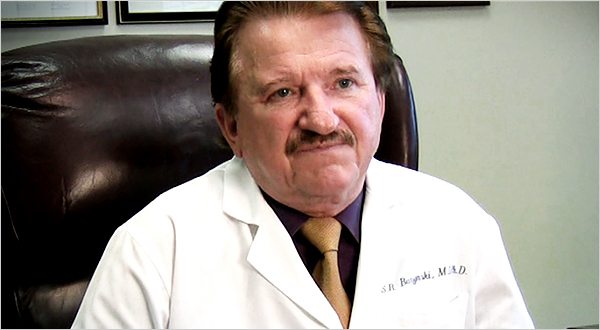
Last week, I reviewed a long-expected (and, to some extent, long-dreaded) documentary by Eric Merola, a filmmaker whose talent is inversely proportional to his yen for conspiracy, pseudoscience, and quackery. Through a quirk of fate that couldn’t have worked out better if I had planned it myself, a long-expected investigation of the Burzynski Clinic by the BBC aired on its venerable news...
Stanislaw Burzynski: A deceptive propaganda movie versus an upcoming news report
Well, I’ve finally seen it, and it was even worse than I had feared. After having heard of Eric Merola’s plan to make a sequel to his 2010 propaganda “documentary” about Stanislaw Burzynski, Burzynski The Movie: Cancer Is Serious Business, which I labeled a bad movie, bad medicine, and bad PR, I’ve finally actually seen the finished product, such as it is....