

Autism prevalence: Now estimated to be one in 68, and the antivaccine movement goes wild
There used to be a time when I dreaded Autism Awareness Month, which begins tomorrow. The reason was simple. Several years ago to perhaps as recently as three years ago, I could always count on a flurry of stories about autism towards the end of March and the beginning of April about autism. That in and of itself isn’t bad. Sometimes the...
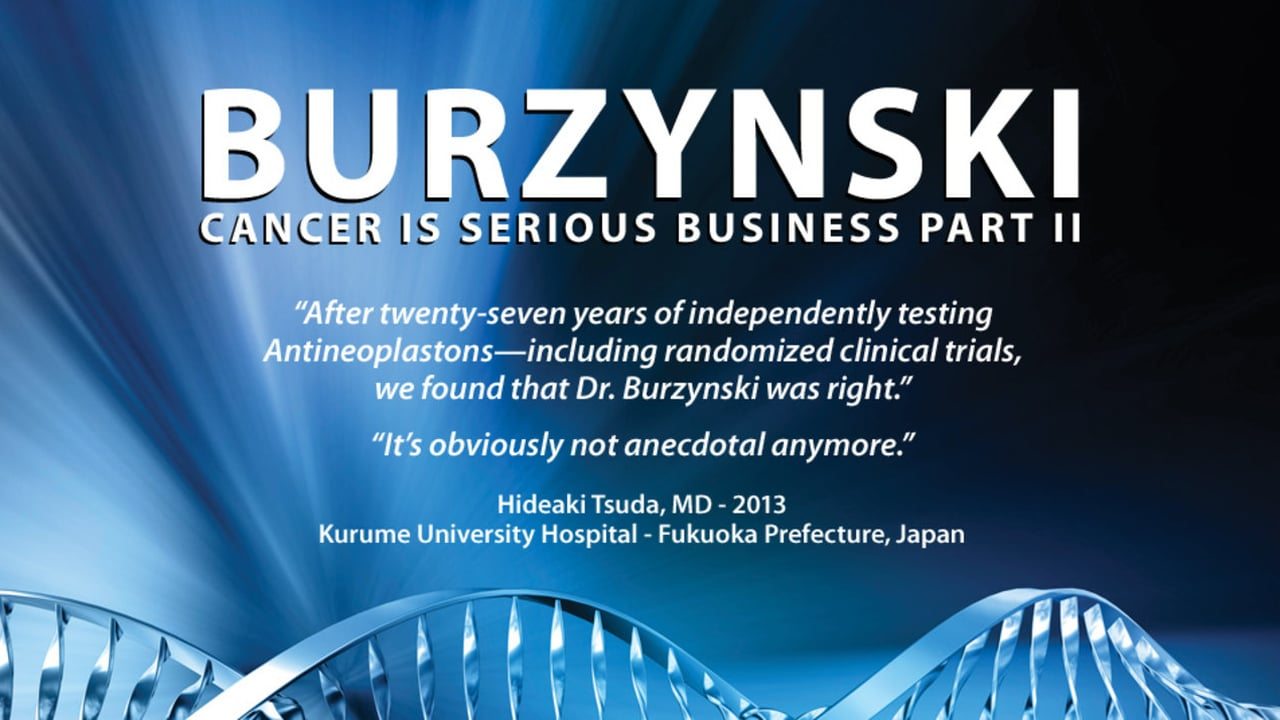
A little more weekend shameless self-promotion to spread an important message about Stanislaw Burzynski
In which I do a little shameless self-promotion in the quest to stop Stanislaw Burzynski.
Stanislaw Burzynski’s propaganda victory on antineoplastons: The FDA caves
Sadly, it looks as though Stanislaw Burzynski is going to win his latest round with the FDA. Same as it ever was.
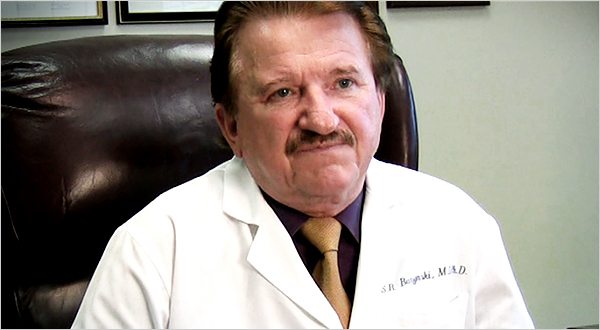
A bit of shameless self-promotion: Dr. Gorski interviewed by Point of Inquiry about Stanislaw Burzynski
Every so often, I or one of my fellow SBM bloggers, is interviewed somewhere. This time, it’s my turn, and this time I was interviewed by Lindsay Beyerstein over at Point of Inquiry. In these days when credulous reporters still, in essence, do Burzynski’s bidding with respect to the message he wants to get out, while Burzynski takes advantage of the desperation...

A tale of quackademic medicine at the University of Arizona Cancer Center
NCI-designated comprehensive cancer centers like the University of Arizona should provide rigorously science-based treatment. Unfortunately, magical mystical "treatments" like reiki are offered to UA patients, as I learned from a father of a child treated there.
Has science-based medicine already lost to pseudoscience?
After writing Saturday’s 5,000-word magnum opus about misguided “right to try” bills that are proliferating in state legislatures like so much kudzu, I thought I’d try something a bit different—and more concise. Fear not. This doesn’t mean that I’m going to become Harriet Hall as a writer, because no one does concise and insightful as well as she does, but I do...

“Right to try” laws and Dallas Buyers’ Club: Great movie, terrible for patients and terrible policy
"Right-to-try" is a new kind of bill that claims to give terminally ill patients the "right to try" experimental therapeutics that have passed phase 1 testing. It's a smokescreen, no more real than the movie that seemingly inspired it.
Antivaccine happenings ten years time ago
This is about antivaccine happenings ten years’ time ago. Unfortunately, it’s also about antivaccine happenings now. The reason, and what links the two, is that antivaccine happenings, particularly myths, never seem to die. They just keep coming back over and over again. One myth that’s been recycled since at least 2005 is the one that claims that there’s been a study that...

Eric Merola and Ralph Moss try to exhume the rotting corpse of Laetrile in a new movie
Note: Some of you have probably seen a different version of this post fairly recently. I have a grant deadline this week and just didn’t have time to come up with fresh material up to the standards of SBM. This left me with two choices: Post a “rerun” of an old post, or recycle something. I decided to recycle something for reasons...
The Canadian National Breast Screening Study ignites a new round in the mammography wars
The last couple of weeks, I’ve made allusions to the “Bat Signal” (or, as I called it, the “Cancer Signal,” although that’s a horrible name and I need to think of a better one). Basically, when the Bat Cancer Signal goes up (hey, I like that one better, but do bats get cancer?), it means that a study or story has hit...