

How not to consult your biostatistician before doing an experiment
A friend of mine at work sent this video to me in great amusement. I just hope he wasn’t making a comment on my behavior when it comes to dealing with our biostatisticians. I have, of course, seen investigators approach biostatistians this late in the game. Not that I’ve ever flirted with this sort of behavior, of course. At least the researcher...
Clinical equipoise versus scientific rigor in cancer clinical trials
A critical aspect of both evidence-based medicine (EBM) and science-based medicine (SBM) is the randomized clinical trial. Ideally, particularly for conditions with a large subjective component in symptomatology, the trial should be randomized, double-blind, and placebo-controlled. As Kimball Atwood pointed out just last week, in EBM, scientific prior probability tends to be discounted while in SBM it is not, particularly for therapies...
Using attacks on science by the anti-vaccine movement as a “teachable moment”
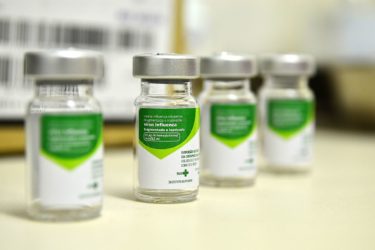
A new study on the connection between vaccines and autism demonstrates two things: there is no connection, and those who think there is are not interested in science unless it supports what they already believe.

The final nail in the mercury-autism hypothesis?
Another study. Another failure to link thimerosal to a higher risk of autism. Can we just bury the claim that thimerosal in vaccines causes autism, already?
Mike Adams on Dr. Mehmet Oz’s colon polyps: “Spontaneous” disease?
Given that it’s a holiday and I debated whether or not I even wanted to post anything today, I think I’ll keep things light and uncharacteristically brief today. After all, not every post can be like last week’s epic on Avastin or the week before’s epic on peer review. That’s a lot of work, and it is a holiday, after all. Besides,...
Avastin and metastatic breast cancer: When science-based medicine collides with FDA regulation
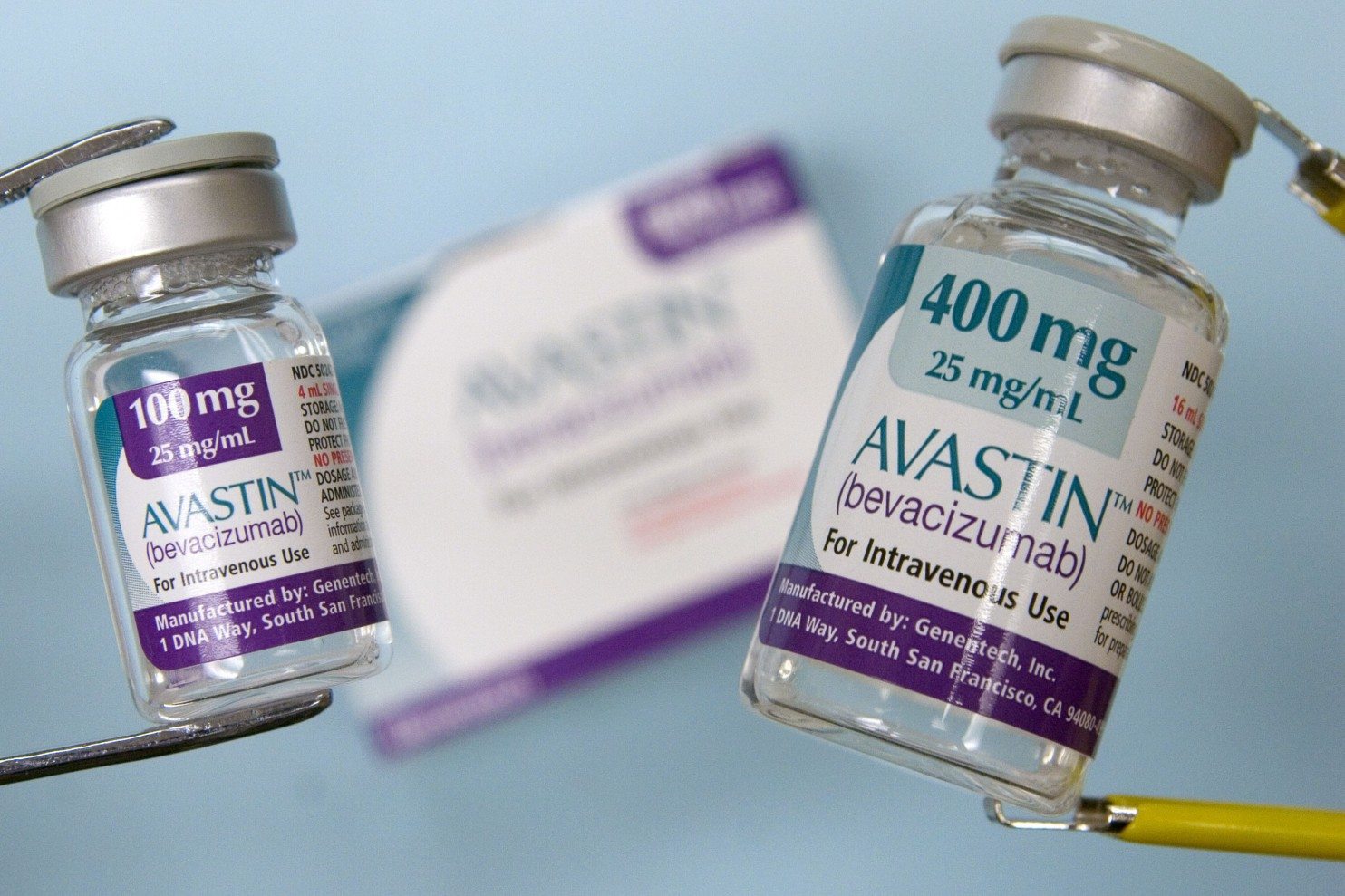
Not all drugs that prevent progression of cancer prolong the patient's survival. The case of Avastin and metastatic breast cancer reminds us of that simple, unfortunate fact once again.
Tai chi and fibromyalgia in the New England Journal of Medicine: An “alternative” frame succeeds
It never seems to fail. I go away for a few days, in this case to combine fun with pleasure and pleasure with fun by giving a talk to the Chicago Skeptics and at the same time meeting my brand new (well, by this time three weeks old) nephew for the first time, and something always happens. Before I get to what...
Does peer review need fixing?
One of the most important aspects of science is the publication of scientific results in peer-reviewed journals. This publication serves several purposes, the most important of which is to communicated experimental results to other scientists, allowing other scientists to replicate, build on, and in many cases find errors in the results. In the ideal situation, this communication results in the steady progress...
Dr. Gorski to be speaking at the Chicago Skeptics on Saturday
The week is finally here! Believe it or not, I’m heading back to my old stomping grounds in the 1990s to appear as a guest of the Chicago Skeptics. This Saturday, August 21, I’ll be giving a talk co-sponsored by Chicago Skeptics, Women Thinking Free Foundation, and the Center For Inquiry-Chicago at the Black Rock Pub & Kitchen. My talk will be...
“Integrative” oncology: Trojan horse, quackademic medicine, or both?
One of the main topics that we’ve covered here on this blog over the last couple of years is the relatively rapid, seemingly relentless infiltration of pseudoscience into what should be bastions of science-based medicine (SBM), namely medical schools and academic medical centers promoted by academics who should, but apparently don’t, know better. From the very beginning, we’ve written numerous posts about...