

Answering a criticism of science-based medicine
Attacks on science-based medicine (SBM) come in many forms. There are the loony forms that we see daily from the anti-vaccine movement, quackery promoters like Mike Adams and Joe Mercola, those who engage in “quackademic medicine,” and postmodernists who view science as “just another narrative,” as valid as any other or even view science- and evidence-based medicine as “microfascism.” Sometimes, these complaints...
Skeptically Speaking with Dr. Gorski
I have been very, very remiss about this, but I totally forgot to pimp my appearance a week and a half ago on Skeptically Speaking. Part of the reason was that I tend to be rather shy about interviews, and part of the reason was that I just plain forgot. Given our having dedicated this week to the discussion of vaccines on...
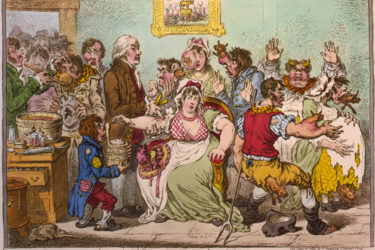
What does “anti-vaccine” really mean?
We frequently use terms like "antivaccine," "antivax," and "antivaxxers." Critics think it's a "gotcha" to ask how we define "antivax." It's not. There are gray areas, but not so gray that the word is never appropriate.
Lies, damned lies, and…science-based medicine?
I realize that in the question-and-answer session after my talk at the Lorne Trottier Public Science Symposium a week ago I suggested in response to a man named Leon Maliniak, who monopolized the first part of what was already a too-brief Q&A session by expounding on the supposed genius of Royal Rife, that I would be doing a post about the Rife...
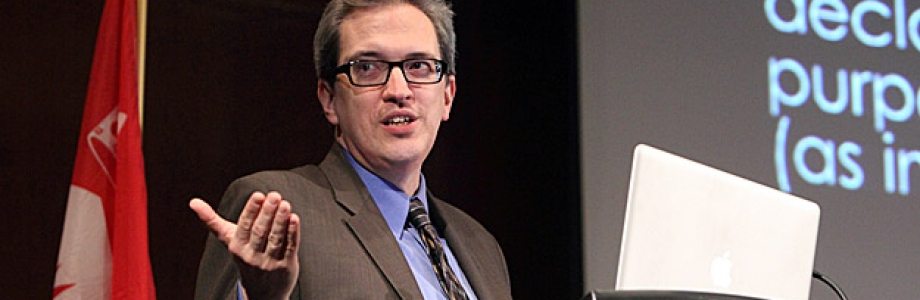
The 2010 Lorne Trottier Public Science Symposium
I really have to give those guys at McGill University’s Office for Science and Society credit. They’re fast. Remember how I pointed out that I’ve been away at the Lorne Trottier Public Science Symposium? This year, the theme was Confronting Pseudoscience: A Call to Action, and I got to share the stage with Michael Shermer, Ben Goldacre, and, of course, our host,...
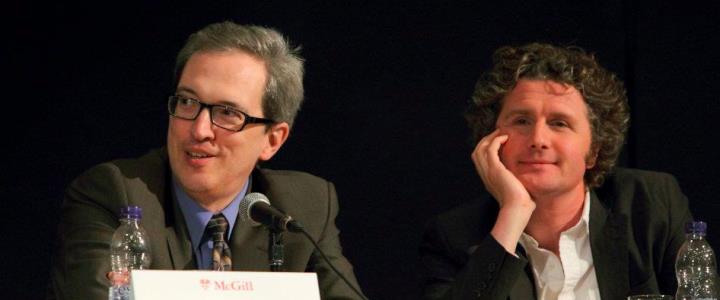
At the Lorne Trottier Symposium…
In lieu of a proper post, please instead accept this announcement of my appearance at the 2010 Lorne Trottier Public Science Symposium in Montreal!
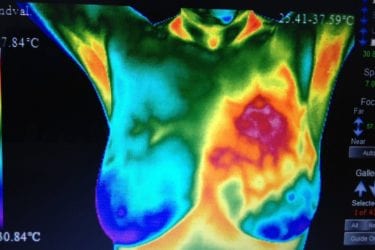
Oprah’s buddy Dr. Christiane Northrup and breast thermography: The opportunistic promotion of quackery
Dr. Christiane Northrup came to fame as Oprah Winfrey's resident women's health expert. Unfortunately, she's using that fame to promote the unproven breast cancer screening modality thermography during Breast Cancer Awareness Month.
I’m not worthy! I’m not worthy! (For the Lorne Trottier Public Science Symposium)
In two weeks, yours truly will be participating in the 2010 Lorne Trottier Public Science Symposium at McGill University in Montreal. This year, the theme is Confronting Pseudoscience: A Call to Action. I’ll be speaking with Ben Goldacre and Michael Shermer on Monday, October 18 from 5 to 7 PM on the Threat of Pseudoscience. On Tuesday, October 19, the ever-amazing Randi...
The Guatemala syphilis experiment and medical ethics in science-based medicine
Several of the bloggers here at SBM have repeatedly criticized various clinical trials for so-called “complementary and alternative medicine” interventions for various conditions and diseases (or should I say dis-eases?) for being completely unethical. Examples include the misbegotten clinical trial for the Gonzalez protocol for pancreatic cancer, which — surprise, surprise! — ended up showing that patients undergoing Dr. Gonzalez’s combination of...